Triathlon training regimens combine structured workouts in swimming, cycling, and running with healthy lifestyle habits to optimize performance. Athletes focus on balanced nutrition, hydration, and adequate sleep. Incorporating superfoods like salmon, quinoa, berries, and leafy greens enhances recovery and boosts energy levels. Consistency in training, cross-training, and mindful rest days help prevent injuries. Overall, these regimens emphasize holistic well-being, blending physical conditioning with smart dietary choices for peak triathlon success.
Triathlon Training Regimens
Triathlon training regimens combine structured workouts in swimming, cycling, and running with healthy lifestyle habits to optimize performance. Athletes focus on balanced nutrition, hydration, and adequate sleep. Incorporating superfoods like salmon, quinoa, berries, and leafy greens enhances recovery and boosts energy levels. Consistency in training, cross-training, and mindful rest days help prevent injuries. Overall, these regimens emphasize holistic well-being, blending physical conditioning with smart dietary choices for peak triathlon success.
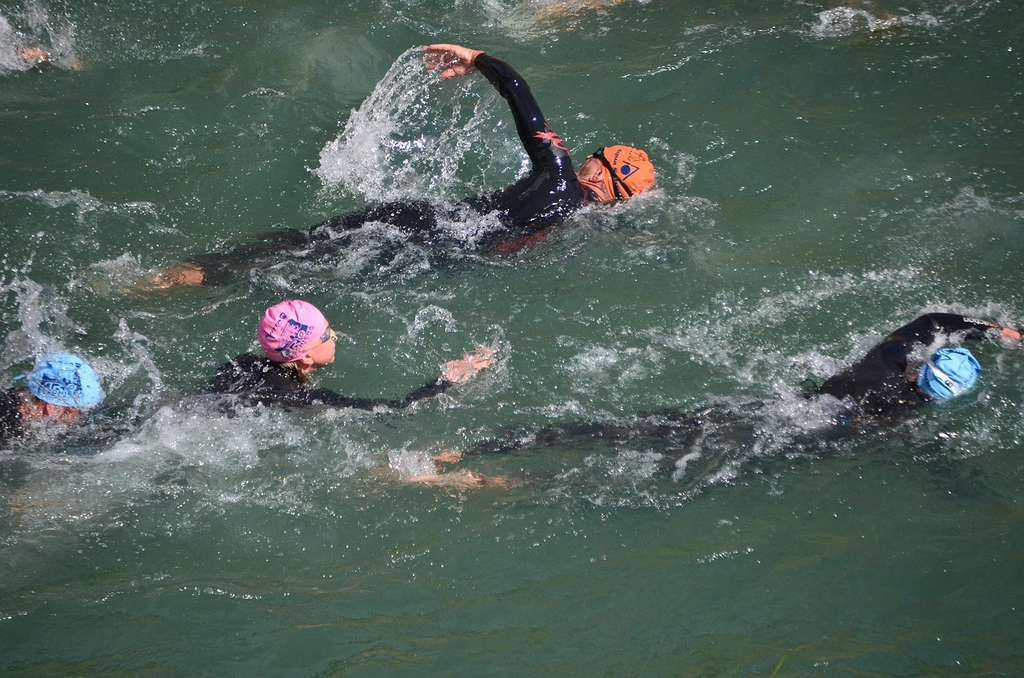
💡 Key Takeaways
- Understand the core components of triathlon training: swimming, cycling, running, and how to balance them in a weekly plan.
- Learn the concept of periodization and how to build endurance, speed, and brick workouts.
- Get guidance on pacing, heart-rate zones, and progression to prevent injury.
- Grasp basic fueling, hydration, and recovery strategies for multi-discipline training and race day.
❓ Frequently Asked Questions
What is a triathlon training regimen?
A structured plan that combines swimming, cycling, and running with rest days to build endurance, speed, and technique for race day.
How should I structure a weekly training plan for triathlon?
Aim for 2–3 swims, 2–3 bikes, and 2–3 runs per week, with a long session, one tempo/interval workout, easy days, and at least 1 rest day.
What is a brick workout and why is it useful?
A brick is a back-to-back bike-then-run session that trains muscles and pacing for the transition and fatigue you’ll feel during the race.
How do I pace and taper for race day?
Use even splits or slight negative splits, practice your target race pace in workouts, and taper by reducing volume in the final 1–2 weeks while keeping some intensity.