Tribal Law & Indigenous Governance refers to the legal systems and leadership structures developed by Indigenous communities to govern their own affairs. These systems are rooted in traditional customs, values, and cultural practices, often operating independently or alongside national laws. They address issues such as land rights, dispute resolution, and community welfare, aiming to preserve Indigenous autonomy, identity, and self-determination while ensuring justice and order within their societies.
Tribal Law & Indigenous Governance
Tribal Law & Indigenous Governance refers to the legal systems and leadership structures developed by Indigenous communities to govern their own affairs. These systems are rooted in traditional customs, values, and cultural practices, often operating independently or alongside national laws. They address issues such as land rights, dispute resolution, and community welfare, aiming to preserve Indigenous autonomy, identity, and self-determination while ensuring justice and order within their societies.
💡 Key Takeaways
- What tribal law and Indigenous governance are and what they govern.
- How traditional customs, values, and cultural practices shape these legal systems.
- How Indigenous governance can operate independently or alongside national laws.
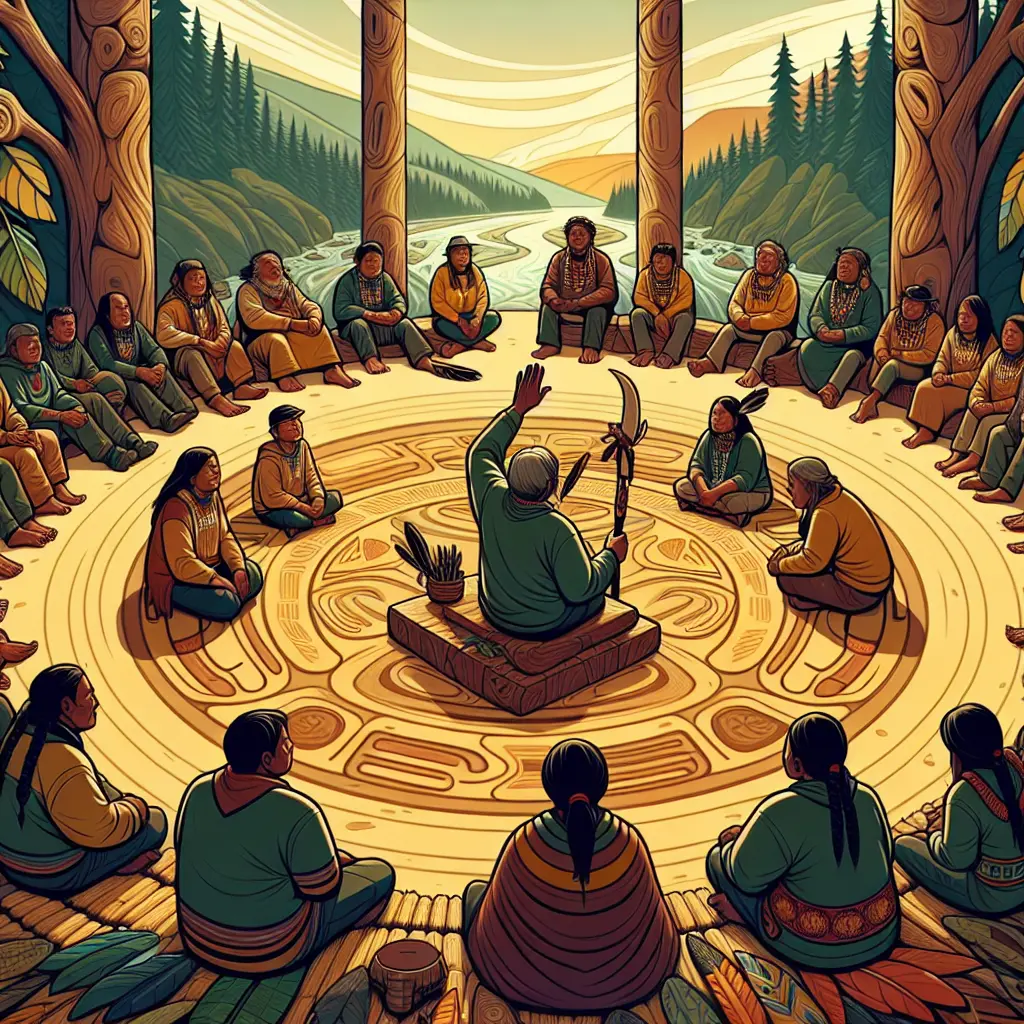
- Common leadership structures and decision-making processes (e.g., councils, elders).
- How Indigenous legal orders relate to land, resources, and cultural protections.
❓ Frequently Asked Questions
What is tribal law?
Tribal law refers to the legal systems and norms developed by Indigenous communities to govern internal affairs, rooted in traditional customs, values, and cultural practices.
How does Indigenous governance relate to national law?
Indigenous governance often operates alongside or within national legal systems, using tribal councils, chiefs, or elders to manage community matters with varying levels of recognition and authority.
What are common sources of tribal law?
Sources include traditional customs, oral traditions, customary practices, tribal constitutions or codes, and decisions from tribal courts or councils.
How are Indigenous laws recognized and enforced?
Recognition varies by country—some jurisdictions acknowledge tribal sovereignty or self-government through treaties or statutes; enforcement commonly occurs in tribal or parallel courts and may interact with national courts.