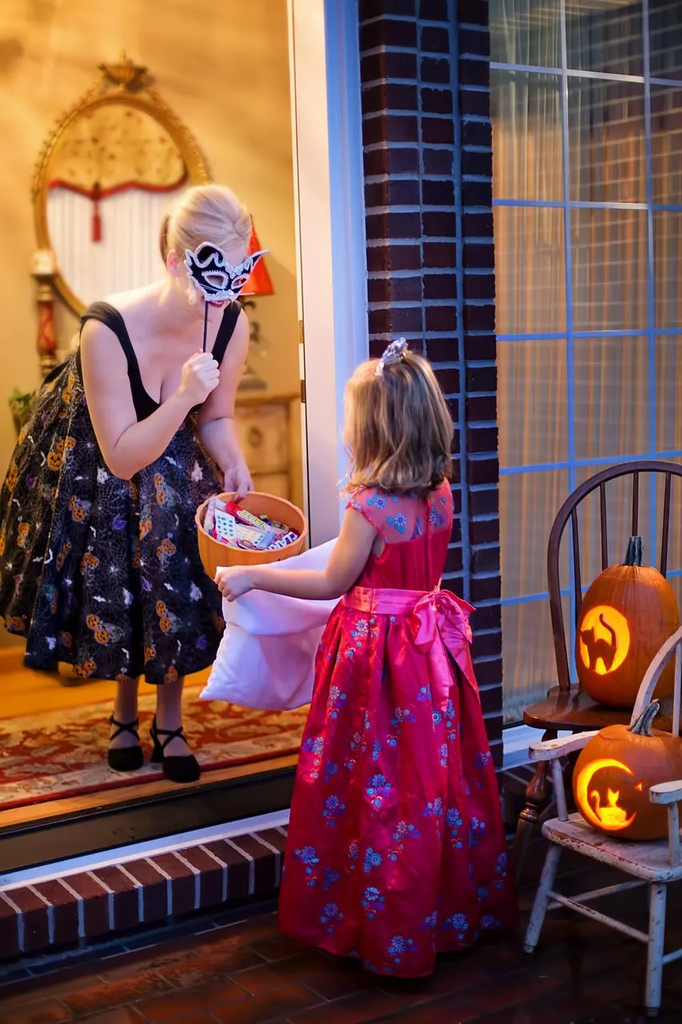
Trick-or-treat routes refer to the planned paths or streets that children and their families follow while going door-to-door collecting candy on Halloween night. These routes are often chosen for their safety, friendliness, and the likelihood of generous candy distribution. Parents may map out routes in advance to avoid busy roads, ensure well-lit areas, and visit houses known for participating in the tradition, making the experience enjoyable and secure for everyone involved.
Trick-or-Treat Routes
Trick-or-treat routes refer to the planned paths or streets that children and their families follow while going door-to-door collecting candy on Halloween night. These routes are often chosen for their safety, friendliness, and the likelihood of generous candy distribution. Parents may map out routes in advance to avoid busy roads, ensure well-lit areas, and visit houses known for participating in the tradition, making the experience enjoyable and secure for everyone involved.
💡 Key Takeaways
- Plan a safe, kid-friendly trick-or-treat route that fits your family.
- Assess safety factors on the route, including lighting, sidewalks, crossings, and traffic patterns.
- Coordinate with neighbors and local events to create a welcoming, predictable candy experience.
- Adjust walking distance and supervision based on children's ages to keep everyone comfortable.
❓ Frequently Asked Questions
What is a trick-or-treat route?
A planned path of streets or neighborhoods that children follow to collect candy on Halloween night, chosen for safety and friendliness.
Why is planning a route important for Halloween?
Planning helps ensure safety, saves time, reduces confusion, and increases the chance of a positive, friendly candy experience.
What factors should you consider to make a route safe for kids?
Lighting, sidewalks, low traffic, short distances, familiar homes, safe street crossings, and clear supervision.
How can families map out a kid-friendly trick-or-treat route?
Choose a loop or short out-and-back path in a safe area, note landmarks and boundaries, set a meeting point, and share the plan with a guardian.
When and where do trick-or-treat routes typically occur, and what should you know about timing?
Usually on Halloween night in the early evening to night; times vary by community, so check local guidelines and neighborhood norms.