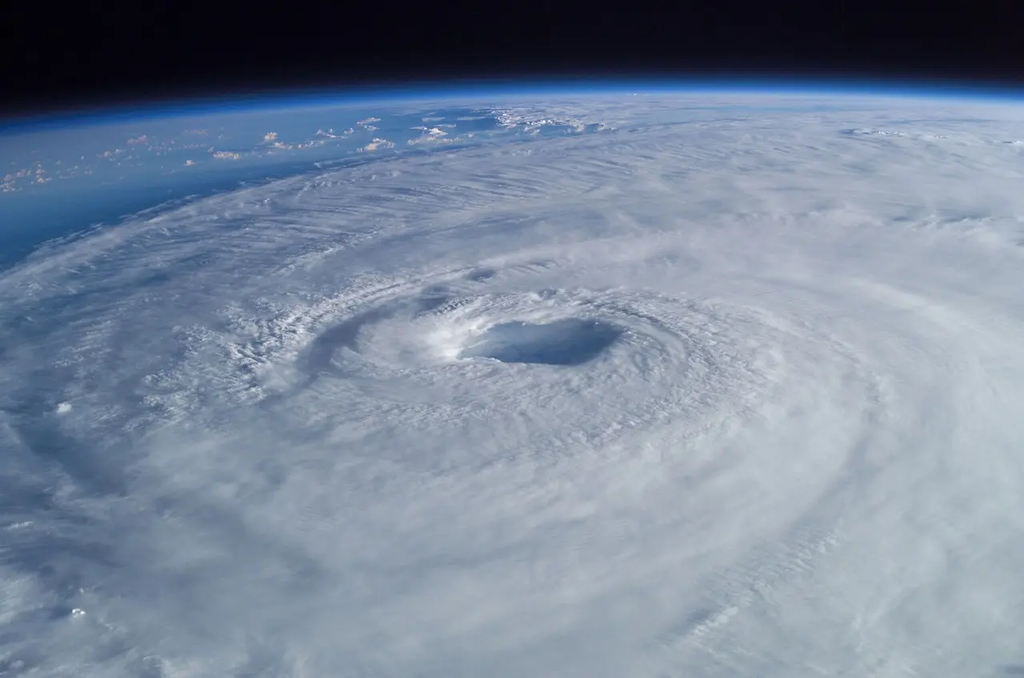
Tropical cyclone structure consists of a low-pressure center called the eye, surrounded by the eyewall with intense thunderstorms and strong winds, and spiral rainbands extending outward. Intensification occurs when warm ocean waters, moist air, and low wind shear allow the cyclone to draw energy from the sea, strengthening its winds and organization. As the system intensifies, the eye becomes more defined, and the storm’s overall symmetry and power increase.
Tropical Cyclone Structure and Intensification
Tropical cyclone structure consists of a low-pressure center called the eye, surrounded by the eyewall with intense thunderstorms and strong winds, and spiral rainbands extending outward. Intensification occurs when warm ocean waters, moist air, and low wind shear allow the cyclone to draw energy from the sea, strengthening its winds and organization. As the system intensifies, the eye becomes more defined, and the storm’s overall symmetry and power increase.
💡 Key Takeaways
- Identify the eye, eyewall, and spiral rainbands and describe their roles in a tropical cyclone.
- Explain why the eyewall contains the strongest winds and most intense rainfall.
- Describe the environmental conditions that favor intensification: warm sea surface temperatures, abundant moisture, and low wind shear.
- Understand how energy is transferred from warm ocean water to the cyclone and how this energy drive relates to changes in structure during intensification.
❓ Frequently Asked Questions
What is the eye of a tropical cyclone?
The calm, low‑pressure center at the cyclone's middle, where winds are lighter and skies may be clearer, surrounded by the eyewall.
What is the eyewall?
A ring of the most intense thunderstorms and strongest winds encircling the eye, with the heaviest rainfall.
What are spiral rainbands?
Curved bands of thunderstorms and rain that extend outward from the eyewall, feeding moisture into the system as it rotates.
What factors promote intensification of a tropical cyclone?
Warm ocean waters, moist air, and low wind shear, which help the cyclone draw energy from the ocean and strengthen.