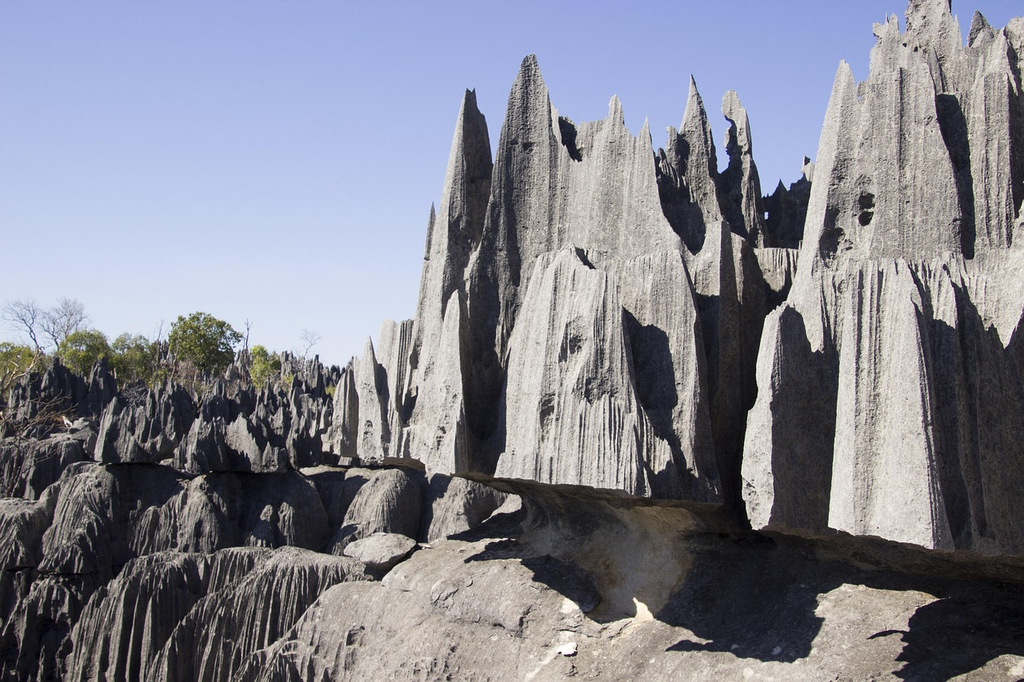
Tsingy de Bemaraha is a unique limestone plateau located in Madagascar, renowned for its dramatic, razor-sharp pinnacles and labyrinthine stone forests. This UNESCO World Heritage Site boasts a remarkable landscape formed by millennia of erosion, featuring towering spires, deep canyons, and hidden caves. Home to rare wildlife and endemic plants, Tsingy de Bemaraha is both a natural wonder and a biodiversity hotspot, attracting adventurers and scientists from around the world.
Tsingy de Bemaraha
Tsingy de Bemaraha is a unique limestone plateau located in Madagascar, renowned for its dramatic, razor-sharp pinnacles and labyrinthine stone forests. This UNESCO World Heritage Site boasts a remarkable landscape formed by millennia of erosion, featuring towering spires, deep canyons, and hidden caves. Home to rare wildlife and endemic plants, Tsingy de Bemaraha is both a natural wonder and a biodiversity hotspot, attracting adventurers and scientists from around the world.
💡 Key Takeaways
- Learn how the limestone 'tsingy' pinnacles form and what makes the landscape geologically unique.
- Identify the park's UNESCO World Heritage status and why it matters for conservation.
- Explore the unique biodiversity and endemic species that inhabit the Tsingy de Bemaraha karst ecosystem.
- Understand the role of protected areas in preserving fragile landscapes and the challenges they face.
- Get practical insights on visiting the site responsibly, including safety, seasons, and preparation.
❓ Frequently Asked Questions
What is Tsingy de Bemaraha?
A UNESCO World Heritage-listed national park in western Madagascar, known for dramatic limestone karst formations called tsingy, deep canyons, caves, and unique wildlife.
Where is it located and how can you visit?
It’s in Madagascar’s Melaky region near Bekopaka along the Manambolo River. Access is typically by 4x4 road from Morondava or by flying to Morondava and then driving; the dry season (May–October) offers the best conditions.
What are the main features of the landscape?
The landscape is dominated by tsingy—sharp limestone pinnacles—forming web-like canyons and cave networks, including the Grand Tsingy and Little Tsingy connected by suspension bridges.
What wildlife and activities are common there?
The park hosts diverse wildlife such as lemurs and birds. Popular activities include guided hikes, canyon exploration, and walking across suspension bridges to view the tsingy; wearing sturdy footwear and hiring a guide is recommended.