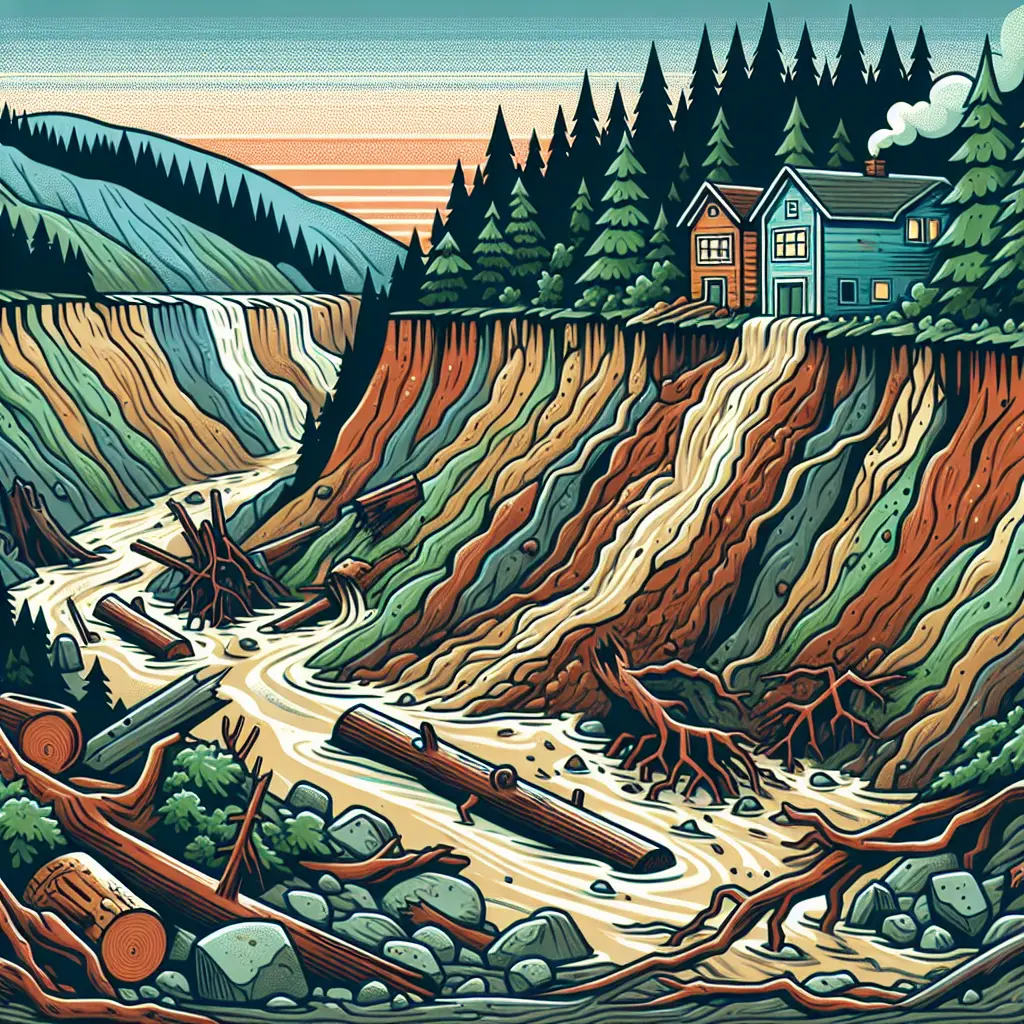
Tsunami risk in the Pacific Northwest, particularly along the Cascadia Subduction Zone, is significant due to the potential for massive offshore earthquakes. The subduction of the Juan de Fuca Plate beneath the North American Plate can trigger powerful tsunamis, threatening coastal communities in Oregon, Washington, and Northern California. Historical evidence and geological studies highlight the region’s vulnerability, prompting preparedness efforts to mitigate potential devastation from future tsunami events.
Tsunami Risk in the Pacific Northwest and Cascadia Subduction Zone
Tsunami risk in the Pacific Northwest, particularly along the Cascadia Subduction Zone, is significant due to the potential for massive offshore earthquakes. The subduction of the Juan de Fuca Plate beneath the North American Plate can trigger powerful tsunamis, threatening coastal communities in Oregon, Washington, and Northern California. Historical evidence and geological studies highlight the region’s vulnerability, prompting preparedness efforts to mitigate potential devastation from future tsunami events.
💡 Key Takeaways
- Understand how the Cascadia Subduction Zone and the Juan de Fuca Plate subduction can generate powerful offshore earthquakes and tsunamis threatening Pacific Northwest coastal communities.
- Learn the expected tsunami dynamics for the region, including arrival times and areas at greatest risk along the Pacific Northwest coast.
- Know essential safety actions: drop, cover, and hold on during shaking; move to higher ground or inland after shaking ends; and follow official warnings promptly.
- Recognize the importance of preparedness—evacuation routes, emergency kits, and community warning systems—in reducing tsunami harm.
❓ Frequently Asked Questions
What is the Cascadia Subduction Zone?
A major fault off the Pacific Northwest where the Juan de Fuca Plate dives beneath the North American Plate. It stores elastic energy and can produce large megathrust earthquakes that trigger tsunamis.
Why is tsunami risk significant in the Pacific Northwest?
A large earthquake on the Cascadia fault can displace ocean water, generating tsunamis that can reach the coasts of Oregon, Washington, and British Columbia within hours.
How often do Cascadia megathrust earthquakes occur and when was the last one?
Scientists estimate events occur every few hundred years on average; the last major quake was around 1700, and the exact timing is unpredictable.
What should you do during and after a Cascadia earthquake?
During shaking, drop, cover, and hold on. Afterward, listen for official warnings and, if near the coast, move to higher ground or inland as soon as it is safe.
What are common signs of an imminent tsunami and how should you respond?
Natural signs include a strong earthquake, seawater receding unusually, or a loud ocean roar. If you observe these, evacuate to higher ground or inland immediately and follow local alerts.