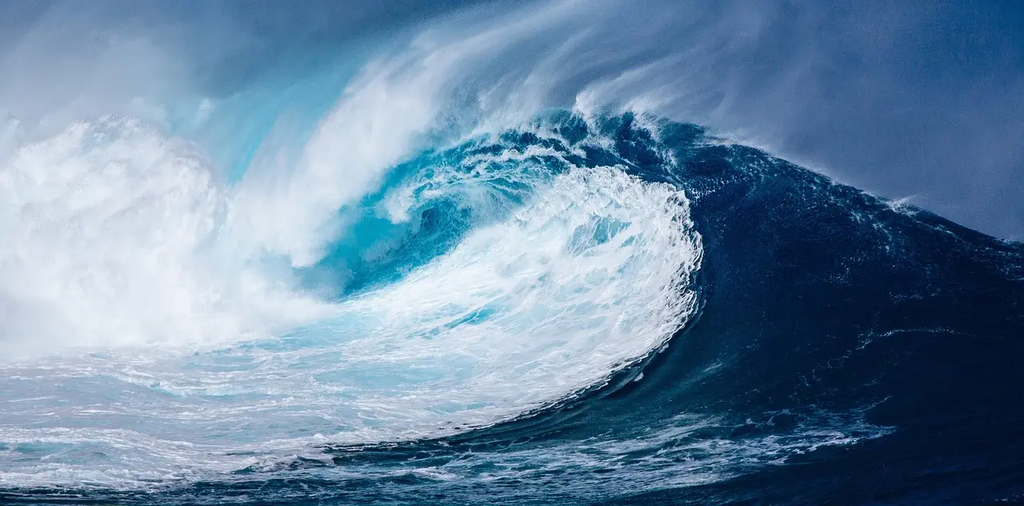
Tsunamis and coastal hazards refer to natural events that pose significant risks to coastal regions. Tsunamis are powerful sea waves caused by underwater disturbances, such as earthquakes or volcanic eruptions, that can flood and devastate shorelines. Coastal hazards also include storm surges, erosion, and flooding, all of which threaten human life, infrastructure, and ecosystems along coastlines. Effective monitoring and preparedness are crucial to reduce their impact and protect vulnerable communities.
Tsunamis and Coastal Hazards
Tsunamis and coastal hazards refer to natural events that pose significant risks to coastal regions. Tsunamis are powerful sea waves caused by underwater disturbances, such as earthquakes or volcanic eruptions, that can flood and devastate shorelines. Coastal hazards also include storm surges, erosion, and flooding, all of which threaten human life, infrastructure, and ecosystems along coastlines. Effective monitoring and preparedness are crucial to reduce their impact and protect vulnerable communities.
💡 Key Takeaways
- Understand what tsunamis are, their primary causes (underwater earthquakes, volcanic eruptions) and how they differ from ordinary waves.
- Learn how tsunamis propagate across oceans, how coastal inundation occurs, and why coastal zones are at high risk.
- Identify other coastal hazards such as storm surges and coastal erosion, and their effects on communities and infrastructure.
- Discover key risk reduction strategies: early warning systems, evacuation planning, and coastal protection measures.
❓ Frequently Asked Questions
What is a tsunami?
A series of large ocean waves caused by underwater disturbances that displace water and can flood coastlines.
What causes tsunamis?
Underwater earthquakes are the most common cause; volcanic eruptions, landslides, and large impacts can also trigger tsunamis.
What is a storm surge?
A temporary rise in sea level driven by strong winds and lower pressure during storms, pushing water toward shore and increasing flood risk.
How can you stay safe during tsunamis and coastal hazards?
Know your area's risk, sign up for alerts, have an evacuation plan, move to higher ground when advised, and avoid flooded roads and damaged structures.