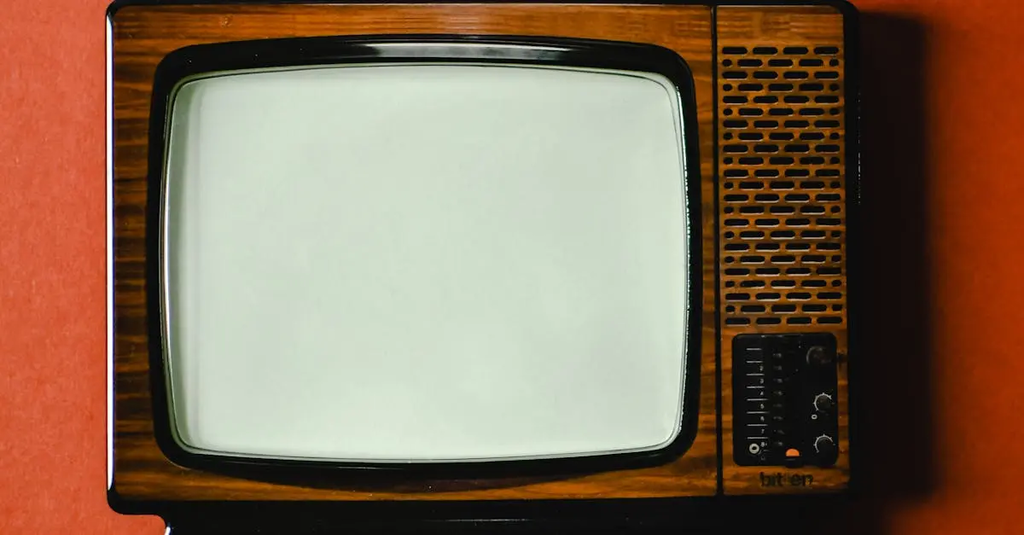
TV reboots and revivals refer to the trend of bringing back popular television shows from the past, either by restarting the original story with new actors and updated settings (reboots) or by continuing the original storyline with returning cast members (revivals). These projects aim to capitalize on nostalgia, attract both old and new audiences, and refresh familiar concepts for contemporary viewers, often blending classic elements with modern themes and production styles.
TV Reboots & Revivals
TV reboots and revivals refer to the trend of bringing back popular television shows from the past, either by restarting the original story with new actors and updated settings (reboots) or by continuing the original storyline with returning cast members (revivals). These projects aim to capitalize on nostalgia, attract both old and new audiences, and refresh familiar concepts for contemporary viewers, often blending classic elements with modern themes and production styles.

💡 Key Takeaways
- Distinguish between reboots (a new take with updated cast) and revivals (a continuation with the original cast).
- Explore why studios pursue reboots/revivals (nostalgia, brand value, reaching new audiences) and common pitfalls.
- Identify success factors for these projects (coherent tone, thoughtful casting, updated setting, solid pacing).
- Consider how reboots/revivals affect continuity, canon, and audience expectations across platforms.
❓ Frequently Asked Questions
What is a TV reboot?
A reboot restarts a show's story from the beginning with a new cast and updated setting, often with different continuity from the original.
What is a TV revival?
A revival brings back a beloved series by continuing the story with returning cast members, usually years after the original run.
How do reboots differ from revivals?
Reboots restart the story with new actors and a fresh take, while revivals continue the original world and characters, preserving or extending continuity.
Why do networks create reboots and revivals?
To capitalize on nostalgia, attract existing fans, reach new audiences, and extend the show's brand and value.