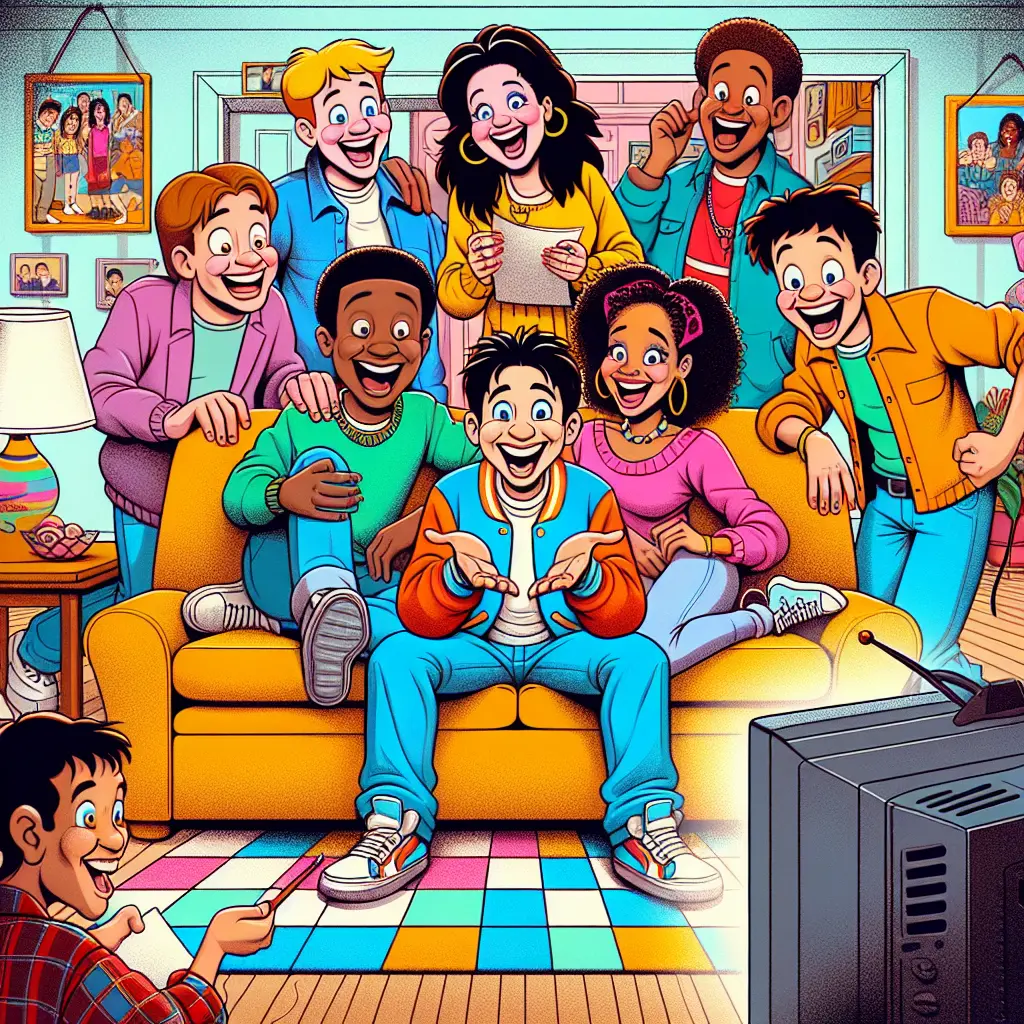
Tween sitcoms like those featured on TGIF and shows such as Even Stevens were popular family-friendly television programs aimed at preteens and early teens. These sitcoms often used laugh tracks to cue audiences when to find humor, creating a communal viewing experience. Storylines typically revolved around relatable adolescent issues, school life, and family dynamics, blending lighthearted comedy with life lessons, making them staples of late 1990s and early 2000s TV culture.
Tween Sitcoms and Laugh Tracks (TGIF, Even Stevens)
Tween sitcoms like those featured on TGIF and shows such as Even Stevens were popular family-friendly television programs aimed at preteens and early teens. These sitcoms often used laugh tracks to cue audiences when to find humor, creating a communal viewing experience. Storylines typically revolved around relatable adolescent issues, school life, and family dynamics, blending lighthearted comedy with life lessons, making them staples of late 1990s and early 2000s TV culture.
💡 Key Takeaways
- How laugh tracks cue humor and create a communal viewing experience for tween audiences.
- Common themes and settings in 90s-2000s tween sitcoms (family dynamics, school life, friendships, and sibling antics).
- How TGIF and shows like Even Stevens targeted preteens with family-friendly humor and clear moral lessons.
- The storytelling and pacing of tween sitcoms, including typical episode structures and recurring character archetypes.
❓ Frequently Asked Questions
What are tween sitcoms?
Family-friendly comedies aimed at preteens and early teens, focusing on school, family, and friendships with light humor.
What is a laugh track and why is it used in these shows?
A pre-recorded audience laugh cue used to signal humor and pace jokes, creating a shared viewing experience.
What does TGIF stand for and what was its purpose?
TGIF stood for 'Thank Goodness It's Friday,' a Friday-night ABC block featuring family-friendly sitcoms that drew in families.
What is Even Stevens known for?
A popular early-2000s tween sitcom about the Stevens family and their misadventures, contributing to 90s/2000s nostalgia.
What themes are common in these tween sitcoms from the 90s and 2000s?
Family dynamics, friendships, school life, and coming-of-age moments, often delivered with relatable humor and light life lessons.