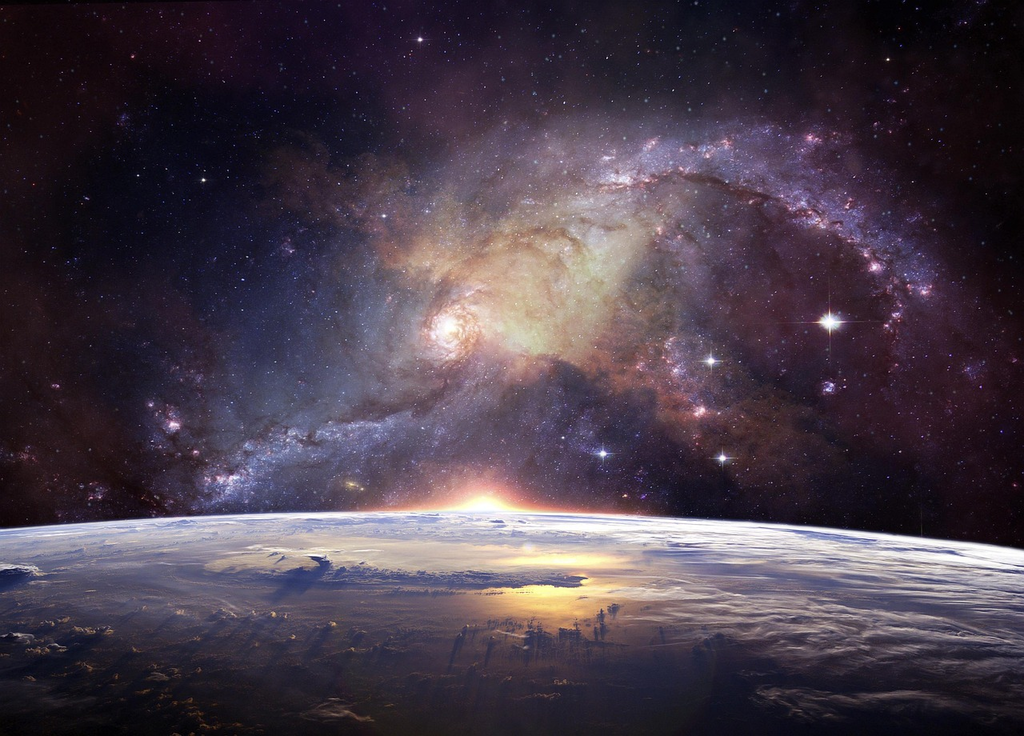
Twinkling stars are bright points of light seen in the night sky, appearing to shimmer or flicker due to the Earth's atmosphere. Their twinkle is caused by the movement of air and varying temperatures, which bend the starlight as it travels to our eyes. These celestial signs have inspired wonder and stories throughout history, often symbolizing hope, dreams, and the vastness of the universe alongside other sky phenomena like rainbows.
Twinkling Stars+45
Twinkling stars are bright points of light seen in the night sky, appearing to shimmer or flicker due to the Earth's atmosphere. Their twinkle is caused by the movement of air and varying temperatures, which bend the starlight as it travels to our eyes. These celestial signs have inspired wonder and stories throughout history, often symbolizing hope, dreams, and the vastness of the universe alongside other sky phenomena like rainbows.

💡 Key Takeaways
- Understand why stars twinkle and how Earth's atmosphere distorts starlight.
- Differentiate between a star's apparent brightness and its intrinsic luminosity.
- Recognize how a star's color reveals its surface temperature and life stage.
- Learn basic methods astronomers use to measure star distances, including parallax for nearby stars and other indirect methods for distant ones.
❓ Frequently Asked Questions
Why do stars twinkle?
Stars twinkle because their light passes through Earth's turbulent atmosphere, causing rapid changes in refraction that make a single point of light appear to brighten, dim, and shift slightly.
Do planets twinkle as much as stars?
Planets usually twinkle less because they appear as tiny disks rather than points, so the atmosphere averages out the light and steadies their image more than for stars.
When is twinkling most noticeable?
Twinkling is strongest near the horizon, on windy or turbulent nights, and diminishes higher in the sky where the light path through the atmosphere is shorter.
How can astronomers reduce or remove twinkling?
Using adaptive optics on ground-based telescopes or observing from space eliminates atmospheric twinkling, producing steadier, sharper images.