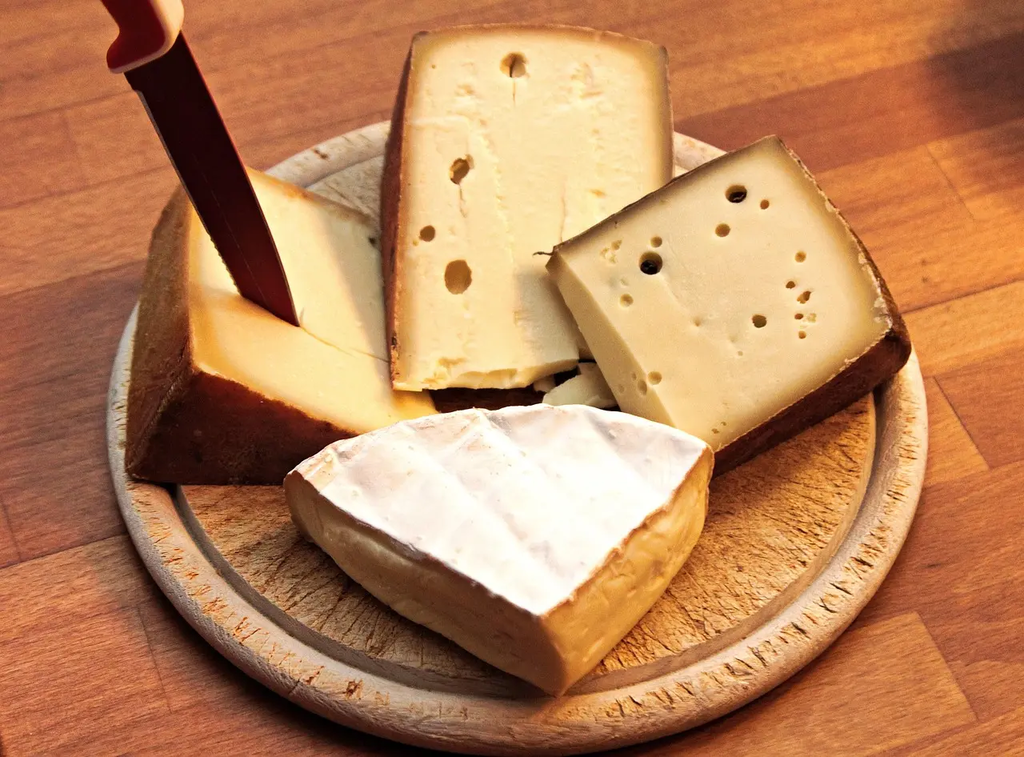
Types of cheese refer to the wide variety of cheeses produced around the world, each with unique flavors, textures, and characteristics. They can be categorized as hard, soft, semi-soft, blue-veined, and fresh cheeses. Popular examples include cheddar, mozzarella, brie, gouda, and blue cheese. Cheese is made from milk and often used in snacks, meals, or as accompaniments, making it a staple in many cuisines and a common subject in food trivia.
Types of Cheese
Types of cheese refer to the wide variety of cheeses produced around the world, each with unique flavors, textures, and characteristics. They can be categorized as hard, soft, semi-soft, blue-veined, and fresh cheeses. Popular examples include cheddar, mozzarella, brie, gouda, and blue cheese. Cheese is made from milk and often used in snacks, meals, or as accompaniments, making it a staple in many cuisines and a common subject in food trivia.
💡 Key Takeaways
- Differentiate cheese types by texture and aging (fresh, soft, semi-soft, semi-hard, hard, blue).
- Learn how aging duration, moisture, and rind affect flavor and texture.
- Identify representative cheeses from major categories (e.g., mozzarella, Brie, cheddar, Parmesan, feta, blue cheese).
- Understand basic cheese-making factors (milk type, cultures, rennet) that influence taste and texture.
❓ Frequently Asked Questions
What are the main texture-based categories of cheese?
Cheeses are grouped by texture: fresh (unaged, moist); soft (spreadable, like Brie); semi-soft; semi-hard; hard (aged, firm); and blue (veined with mold).
How does aging affect cheese flavor and texture?
Aging reduces moisture and firms the texture while developing more complex, sharper flavors.
What makes blue cheese unique?
Blue cheeses are inoculated with mold cultures (often Penicillium) that create blue veins and a characteristic tang.
Which cheeses are commonly melted for dishes?
Mozzarella, cheddar, Gruyère (and Emmental) are prized for smooth melting in pizzas, sauces, and grilled dishes.