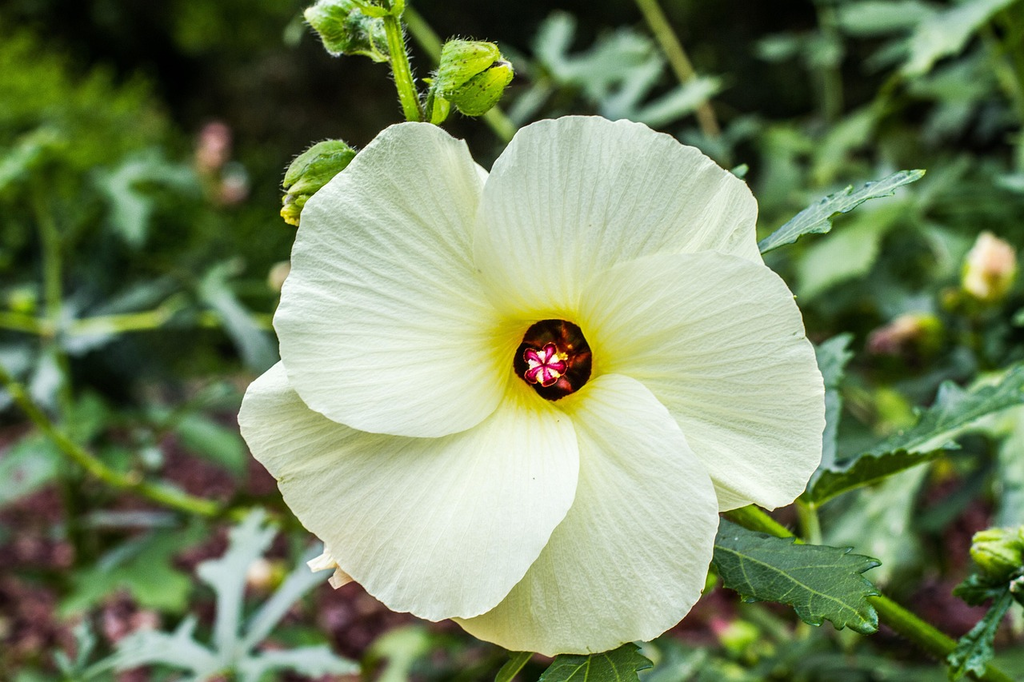
Types of edible flowers refer to various blooms that are safe and commonly used in culinary dishes, adding color, flavor, and texture to food and snacks. Popular examples include nasturtiums, violets, pansies, marigolds, calendula, hibiscus, rose petals, and lavender. These flowers can be used fresh in salads, candied for desserts, or infused in beverages, providing unique flavors ranging from spicy and citrusy to sweet and floral.
Types of Edible Flowers
Types of edible flowers refer to various blooms that are safe and commonly used in culinary dishes, adding color, flavor, and texture to food and snacks. Popular examples include nasturtiums, violets, pansies, marigolds, calendula, hibiscus, rose petals, and lavender. These flowers can be used fresh in salads, candied for desserts, or infused in beverages, providing unique flavors ranging from spicy and citrusy to sweet and floral.
💡 Key Takeaways
- Identify common types of edible flowers and what they taste like
- Learn which edible flowers are safe for eating (and which to avoid)
- Understand how to choose, store, and prepare edible flowers for best flavor
- Discover easy ways to use edible flowers in salads, desserts, and garnishes
- Know how to check freshness and prevent bitterness or irritation
❓ Frequently Asked Questions
Are all edible flowers safe to eat?
No. Only flowers specifically grown and labeled as edible should be eaten, and you should avoid flowers treated with pesticides or unknown wild varieties.
How do I know which flowers are edible?
Use reliable sources (seed labels, reputable guides, or nurseries) and choose flowers that are meant for consumption—never rely on appearance alone.
How should edible flowers be prepared before eating?
Rinse gently, pat dry, and remove stems and any bitter parts if needed. Use them fresh or lightly used in culinary dishes.
Which parts of edible flowers are typically eaten?
Most commonly, petals are used. Stems and leaves are usually avoided unless the variety is specifically recommended for eating.
Can edible flowers be used in hot and cold dishes?
Yes, many are used in both, but delicate petals can lose color and texture with heat—add them at the end for best results.