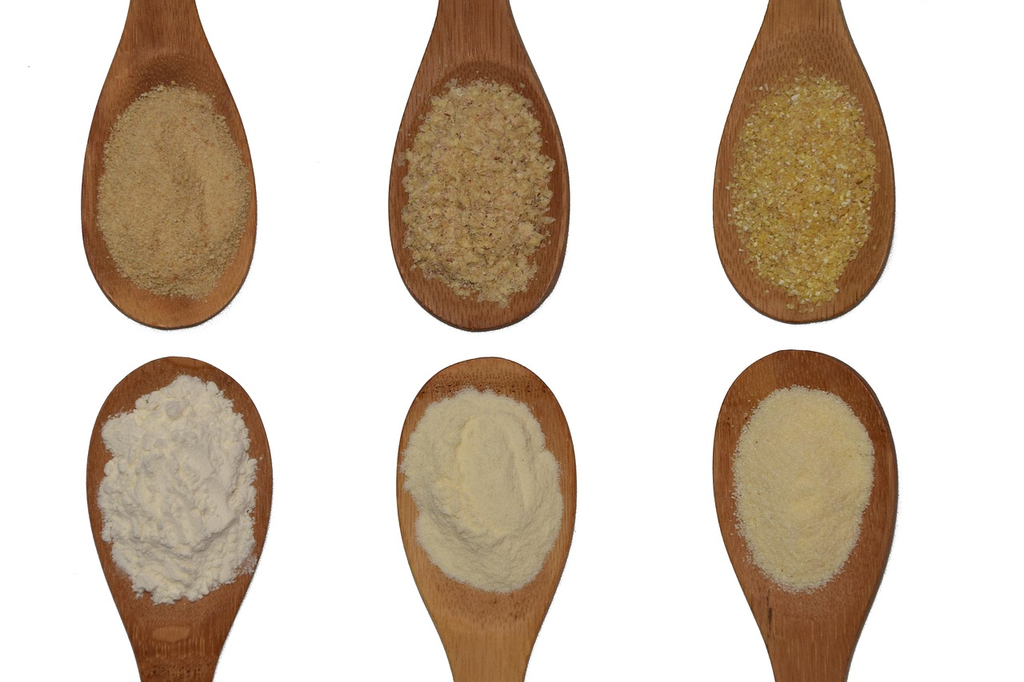
Types of flour refer to the various powdered ingredients derived from grinding grains, nuts, seeds, or roots, each with unique textures and uses. Common types include all-purpose, whole wheat, cake, bread, self-rising, and gluten-free flours like almond or coconut. These flours influence texture, flavor, and nutritional value in baking and cooking, making them essential for specific recipes, from bread and cakes to snacks and pastries.
Types of Flour
Types of flour refer to the various powdered ingredients derived from grinding grains, nuts, seeds, or roots, each with unique textures and uses. Common types include all-purpose, whole wheat, cake, bread, self-rising, and gluten-free flours like almond or coconut. These flours influence texture, flavor, and nutritional value in baking and cooking, making them essential for specific recipes, from bread and cakes to snacks and pastries.
💡 Key Takeaways
- Learn how different flours are made from grains, nuts, seeds, or roots
- Compare common flour types like all-purpose, whole wheat, cake, bread, and self-rising
- Understand how flour choice affects texture in baking (crisp, tender, chewy, or fluffy)
- Discover what gluten-free flours (like almond or coconut) are and how they behave in recipes
❓ Frequently Asked Questions
What are the most common types of flour?
Common types include all-purpose flour, bread flour, cake flour, pastry flour, whole wheat flour, and gluten-free flour blends.
How does bread flour differ from all-purpose flour?
Bread flour has higher protein, which helps form more gluten for chewy structure, while all-purpose flour has medium protein for general baking.
What is the difference between cake flour and pastry flour?
Cake flour is very finely milled and low in protein for tender, soft cakes, while pastry flour sits between cake and all-purpose for flaky pastries with moderate tenderness.
Can I substitute whole wheat flour for all-purpose flour?
Yes, but whole wheat flour absorbs more liquid and can make baked goods denser. Start with a partial swap (like 50/50) and adjust hydration if needed.
What should I know when baking with gluten-free flour?
Gluten-free flours often need a binding ingredient (like xanthan gum) and may require different ratios or blends to achieve the right texture.