"Types of Gemstones (Guess by Image)" refers to an engaging activity where participants are shown images of various gemstones and are asked to identify or name them based on their visual characteristics. This activity helps improve recognition skills and knowledge about different gemstones, such as diamonds, rubies, emeralds, sapphires, and others. It is often used in educational settings, games, or quizzes to make learning about gemstones interactive and fun.
Types of Gemstones
"Types of Gemstones (Guess by Image)" refers to an engaging activity where participants are shown images of various gemstones and are asked to identify or name them based on their visual characteristics. This activity helps improve recognition skills and knowledge about different gemstones, such as diamonds, rubies, emeralds, sapphires, and others. It is often used in educational settings, games, or quizzes to make learning about gemstones interactive and fun.
💡 Key Takeaways
- Identify the main gemstone categories (natural mineral gems, organic gems, and synthetic variants) and give examples.
- Learn the key properties used to classify gemstones (hardness, color, clarity, refractive index, and luster).
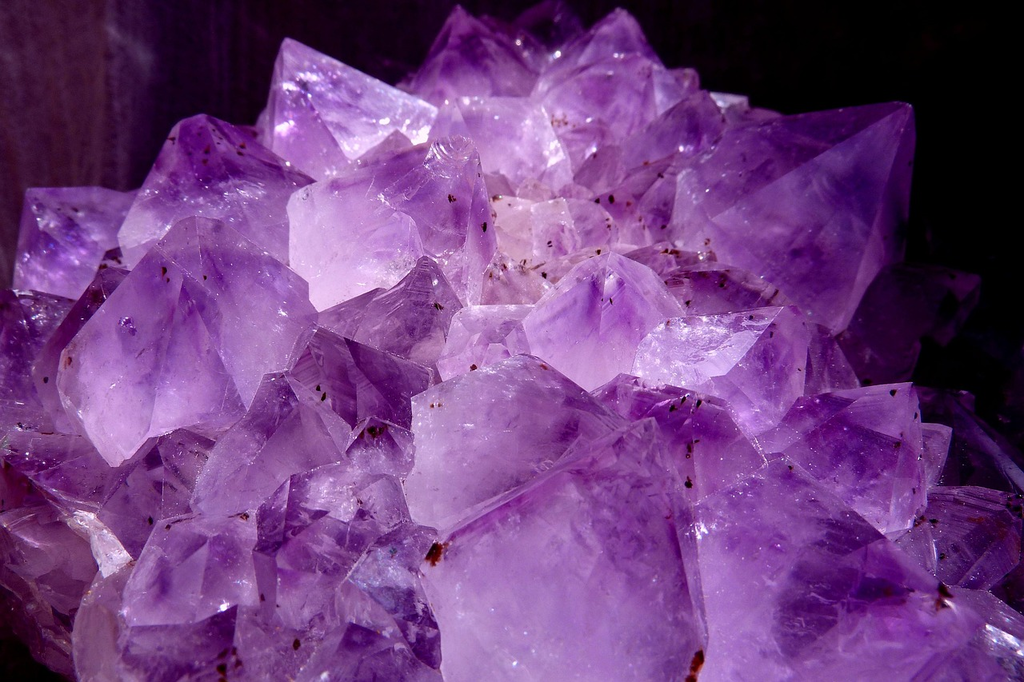
- Recognize popular gemstone names and what makes each unique (diamond, ruby, emerald, sapphire, opal, amethyst).
- Understand common gemstone treatments and how they affect value and appearance (heating, irradiation, dyeing, diffusion).
- Get basics on authenticating gemstones and practical care to preserve their beauty.
❓ Frequently Asked Questions
What is a gemstone?
A mineral or organic material valued for beauty, rarity, color, and durability, and cut or polished for use in jewelry.
What are common gemstone families or types?
Well-known groups include diamonds (carbon); the corundum family (ruby and sapphire); the beryl family (emerald, aquamarine); quartz varieties (amethyst, citrine); plus opal, turquoise, jade, and garnet.
What is the difference between precious and semi-precious gemstones?
Historically, diamonds, rubies, sapphires, and emeralds were called precious; others were semi-precious. Today, value is judged by color, clarity, cut, carat, and rarity, so the terms are less predictive.
How do gemstones form?
Most form deep underground as minerals crystallize under heat and pressure; some are organic (pearls) or form from silica-rich solutions (opal).
How can you tell if a gemstone is natural or synthetic?
Natural stones often contain tiny inclusions; synthetic stones may show distinct growth patterns. Lab reports from a gemologist can confirm origin.