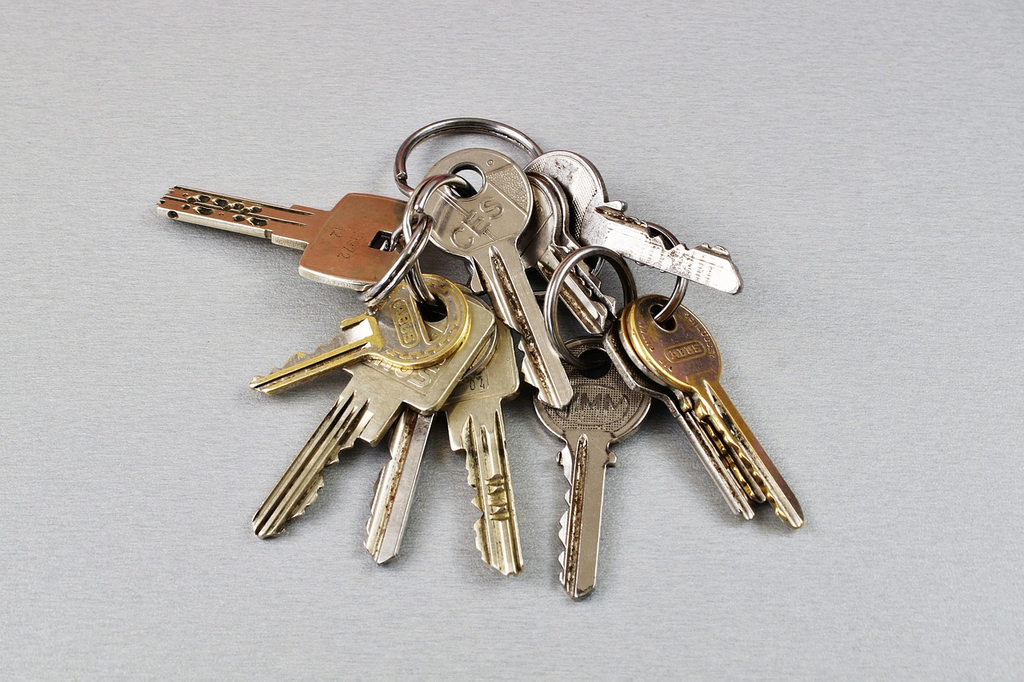
Types of locks and keys are essential security tools used in daily life to protect belongings and property. Common types include padlocks, deadbolts, combination locks, and electronic locks, each requiring specific keys or codes for access. Keys themselves vary, such as traditional metal keys, tubular keys, and smart keys. These mechanisms are found in homes, offices, lockers, and vehicles, ensuring safety and controlled access in everyday environments.
Types of Locks and Keys
Types of locks and keys are essential security tools used in daily life to protect belongings and property. Common types include padlocks, deadbolts, combination locks, and electronic locks, each requiring specific keys or codes for access. Keys themselves vary, such as traditional metal keys, tubular keys, and smart keys. These mechanisms are found in homes, offices, lockers, and vehicles, ensuring safety and controlled access in everyday environments.
💡 Key Takeaways
- Identify common lock types (padlock, deadbolt, doorknob/lever locks, mortise, rim-cylinder, and smart locks) and their typical uses.
- Explain the basic locking mechanisms behind locks (pin-tumbler, wafer, lever, warded, and electronic/smart mechanisms).
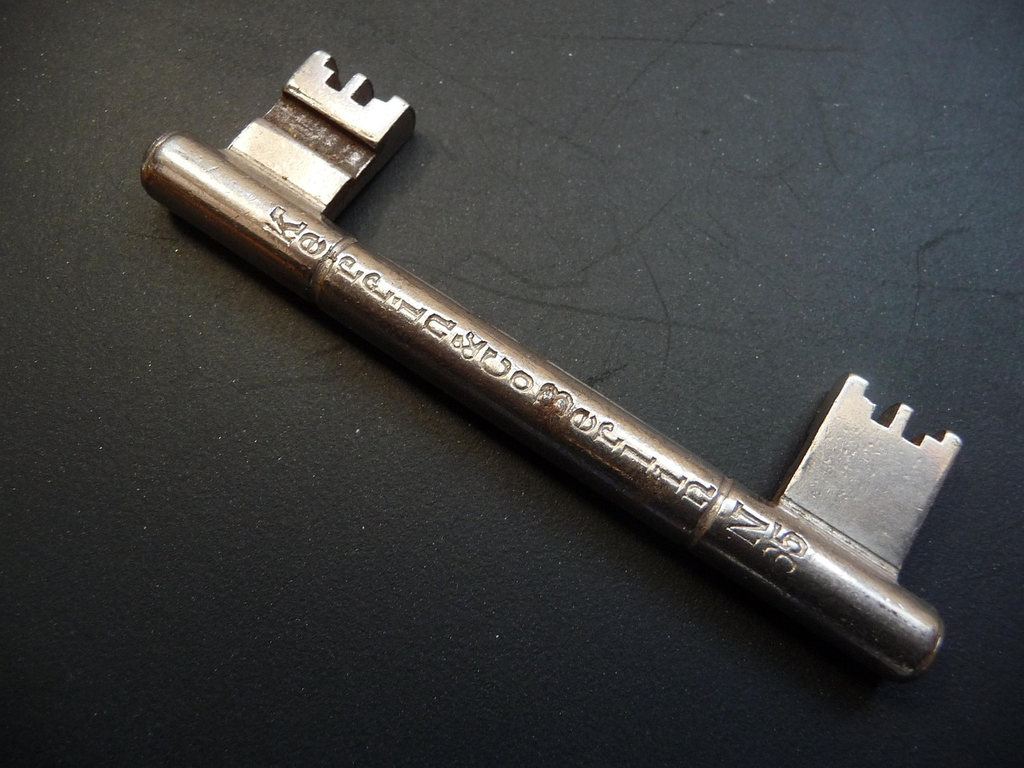
- Understand how keys and keyways differ across lock types, including cuts, bitting, and compatibility.
- Evaluate the security, convenience, and maintenance trade-offs of different lock types for home, office, and outdoor use.
❓ Frequently Asked Questions
What is a deadbolt and how does it differ from a spring latch lock?
A deadbolt moves a solid bolt into the door frame and is held in place by a key or turning knob. It does not rely on springs to retract, making it more resistant to forced entry than a spring latch lock, which uses a spring-loaded bolt that retracts when the handle is turned.
What is a mortise lock and why is it often more secure than a standard cylindrical lock?
A mortise lock is installed inside a pocket cut into the door edge and typically uses a larger, more robust mechanism and strike plate. Its design offers greater strength and durability, giving higher security than many standard cylindrical locks.
What is a padlock and what are common types of padlocks?
A padlock is a portable lock with a detachable shackle. Common types include keyed padlocks and combination padlocks, with varying body materials and shackle sizes for different security needs.
What is a master key system and what is a key-alike system?
In a master key system, locks have individual keys plus a master key that opens all the selected locks. A key-alike system uses the same key for multiple locks, offering convenience but reducing the number of keys needed for access.