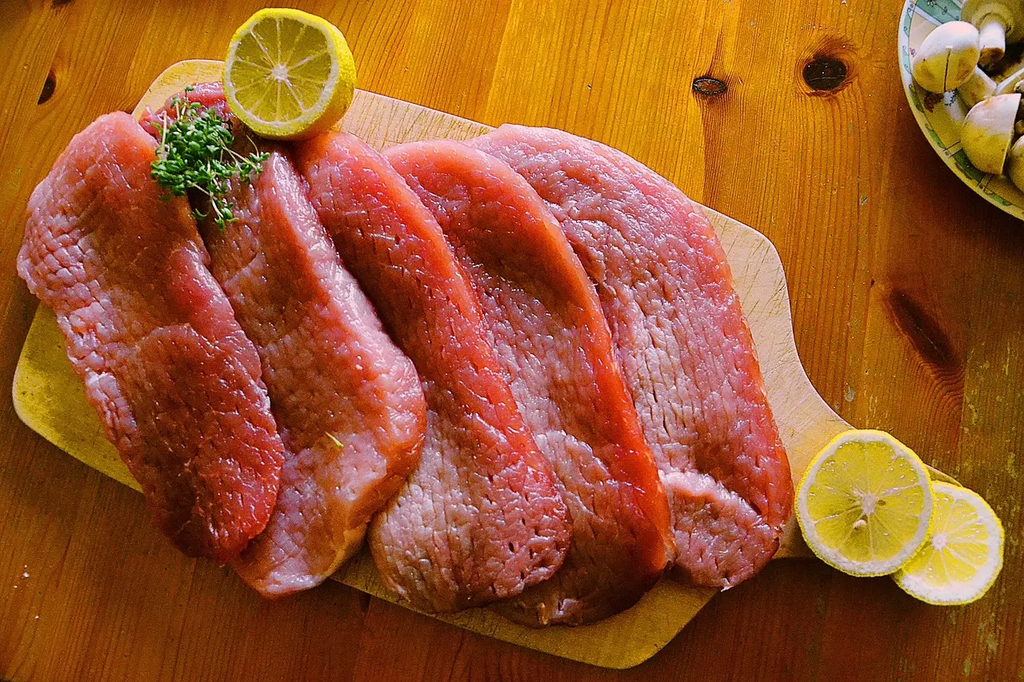
Types of meat cuts refer to the various sections of an animal that are separated during butchering, each offering unique textures, flavors, and cooking methods. Common cuts include steaks, chops, ribs, roasts, and ground meat, with each animal—such as beef, pork, and lamb—having its own specific cuts. Understanding these types helps in selecting the right meat for different recipes, ensuring optimal taste and tenderness in food and snacks.
Types of Meat Cuts
Types of meat cuts refer to the various sections of an animal that are separated during butchering, each offering unique textures, flavors, and cooking methods. Common cuts include steaks, chops, ribs, roasts, and ground meat, with each animal—such as beef, pork, and lamb—having its own specific cuts. Understanding these types helps in selecting the right meat for different recipes, ensuring optimal taste and tenderness in food and snacks.
💡 Key Takeaways
- Identify the main categories of meat cuts (primal vs. retail) and what each implies about tenderness and cooking methods.
- Differentiate between bone-in and boneless cuts and how this affects flavor, texture, and cooking time.
- Recognize common cut examples across beef, pork, and poultry (for example ribeye/loin, shoulder/butt, breast/thigh).
- Match cuts to cooking methods by tenderness: use dry-heat methods for tender cuts and moist-heat methods for tougher cuts.
❓ Frequently Asked Questions
What is a primal cut in meat processing?
A primal cut is a large section from the carcass separated during butchery from which subprimal and retail cuts are prepared (examples include beef chuck, rib, loin; pork shoulder, loin).
What is a subprimal cut?
A subprimal cut is a smaller piece derived from a primal cut and used to create common retail cuts, such as ribeye from the rib primal or pork loin chops from the pork loin.
What is the difference between bone-in and boneless cuts?
Bone-in cuts include the bone, often adding flavor and moisture and taking longer to cook; boneless cuts have the bone removed, cook faster, and are easier to portion.
How do you know if a cut will be tender or tough?
Tender cuts come from muscles used less during movement (e.g., rib and loin); tougher cuts come from more active muscles (e.g., shoulder, leg) and often benefit from slow, moist cooking.