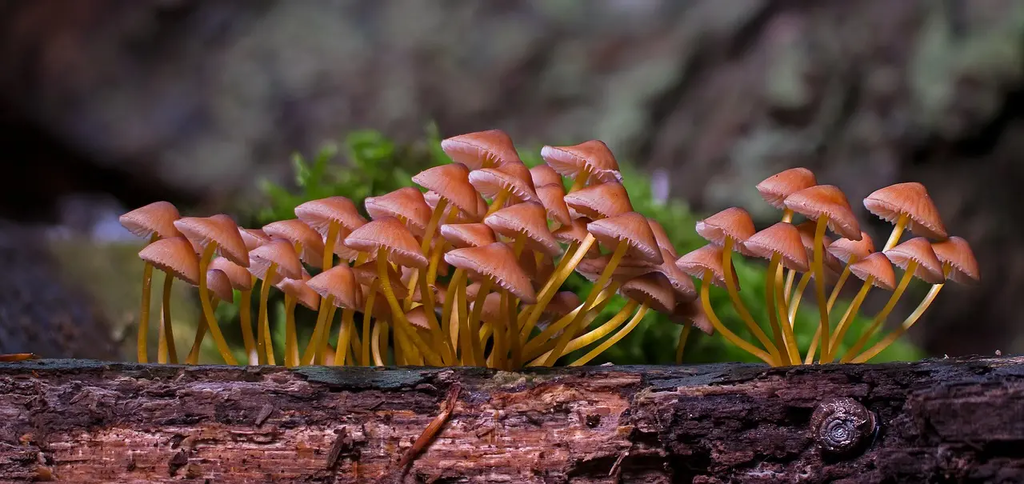
Types of mushrooms refer to the various edible fungi commonly used in cooking and snacks around the world. Popular varieties include button, portobello, shiitake, cremini, oyster, enoki, and maitake mushrooms. Each type offers unique flavors, textures, and nutritional benefits, making them versatile ingredients in soups, salads, stir-fries, pizzas, and snack foods. Recognizing different mushroom types is useful for food enthusiasts and trivia lovers alike.
Types of Mushrooms
Types of mushrooms refer to the various edible fungi commonly used in cooking and snacks around the world. Popular varieties include button, portobello, shiitake, cremini, oyster, enoki, and maitake mushrooms. Each type offers unique flavors, textures, and nutritional benefits, making them versatile ingredients in soups, salads, stir-fries, pizzas, and snack foods. Recognizing different mushroom types is useful for food enthusiasts and trivia lovers alike.
💡 Key Takeaways
- Name and recognize common edible mushroom types (e.g., button, cremini, portobello, shiitake, oyster) and their typical cooking uses.
- Understand flavor and texture differences across varieties and how they influence recipe choices.
- Learn proper handling, cleaning, and storage to keep mushrooms fresh and avoid sogginess.
- Know basic safety guidelines for mushrooms, including avoiding unidentified wild mushrooms and choosing trusted sources.
❓ Frequently Asked Questions
What are mushrooms and how are they classified?
Mushrooms are the above-ground fruiting bodies of fungi. They’re classified by features like cap shape, gill or pore structure, stem, and spore color, with common edible genera including Agaricus, Pleurotus, Lentinula, Morchella, and Cantharellus.
What are some common edible mushroom types and their uses?
Button (Agaricus bisporus) for everyday cooking; Oyster (Pleurotus ostreatus) for sautés; Shiitake (Lentinula edodes) for soups and stir-fries; Morel (Morchella) and Chanterelle (Cantharellus) prized for sauces and risottos.
How can I tell edible mushrooms from poisonous look-alikes?
You can’t rely on color or size alone. Use a trusted guide or an expert for identification, note features such as spore color, gill attachment, and base of the stem, and avoid foraged mushrooms unless you’re certain.
What safety steps should I take when handling and cooking mushrooms?
Clean mushrooms with a brush or damp cloth, trim stems, cook them thoroughly, store them refrigerated and use them soon after purchase or foraged harvest.