Types of pasta refer to the wide variety of noodle shapes and forms found in Italian cuisine, each designed for specific sauces and dishes. Examples include spaghetti, penne, fusilli, and farfalle. The shape and texture of each type help hold different sauces, from creamy Alfredo to hearty Bolognese. Pasta is a staple food enjoyed worldwide, often featured in trivia about food culture and culinary traditions.
Types of Pasta
Types of pasta refer to the wide variety of noodle shapes and forms found in Italian cuisine, each designed for specific sauces and dishes. Examples include spaghetti, penne, fusilli, and farfalle. The shape and texture of each type help hold different sauces, from creamy Alfredo to hearty Bolognese. Pasta is a staple food enjoyed worldwide, often featured in trivia about food culture and culinary traditions.
💡 Key Takeaways
- Identify common pasta shapes and their best sauce pairings
- Explain how durum wheat semolina influences texture and cooking time
- Distinguish between dried and fresh pasta and when to use each
- Master al dente texture and baseline cooking times for popular shapes
❓ Frequently Asked Questions
What are the main categories of pasta shapes?
Pasta shapes fall into long formats (spaghetti, linguine), short shapes (penne, fusilli), stuffed pastas (ravioli, tortellini), and flat sheets (lasagna). Shapes affect how sauces cling.
What is durum wheat semolina and why is it used to make pasta?
Durum wheat semolina provides a firm texture and good elasticity, helping pasta hold its shape during cooking and cling to sauces.
What is the difference between dried pasta and fresh pasta?
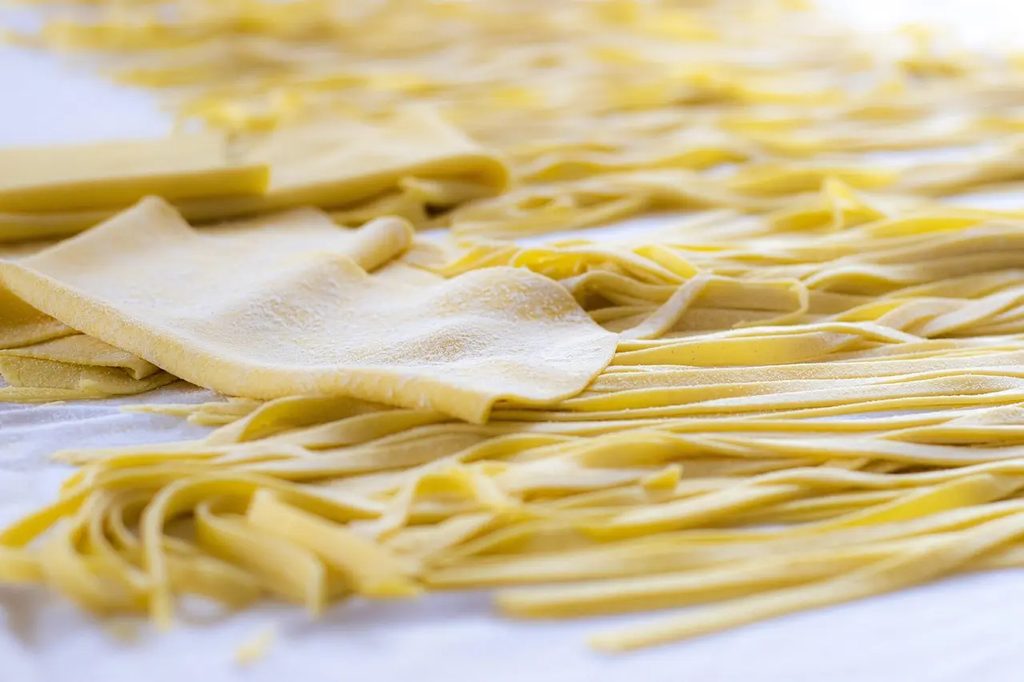
Dried pasta is made from semolina and water, has a longer shelf life, and requires longer cooking. Fresh pasta contains more moisture (often eggs) and cooks quickly for a tender texture.
What does al dente mean and how can you tell when pasta is cooked this way?
Al dente means 'to the bite.' It should be firm but tender with a slight resistance when bitten; taste near the end of cooking and stop before it becomes mushy.