Types of soup refer to the various categories and styles of soup enjoyed around the world. These include clear soups like broth and consommé, thick soups such as chowder and bisque, and specialty soups like gazpacho or miso. Each type is defined by its ingredients, preparation method, and cultural origin, making soup a versatile and popular dish in many cuisines. Soups can be served hot or cold, as appetizers or main courses.
Types of Soup
Types of soup refer to the various categories and styles of soup enjoyed around the world. These include clear soups like broth and consommé, thick soups such as chowder and bisque, and specialty soups like gazpacho or miso. Each type is defined by its ingredients, preparation method, and cultural origin, making soup a versatile and popular dish in many cuisines. Soups can be served hot or cold, as appetizers or main courses.
💡 Key Takeaways
- Recognize the main soup categories: clear broths, cream-based soups, and thick/stew-like soups.
- Distinguish between broth-based, stock-based, and cream-based soups, and their typical textures.
- Identify classic soup types across cuisines (e.g., consommé, bisque, chowder, gazpacho) and their key ingredients.
- Understand how ingredients, simmering time, and thickening agents (roux, purees, cream) shape flavor and texture.
❓ Frequently Asked Questions
What distinguishes clear soups from thick soups?
Clear soups are transparent liquids (broth or consommé) with little to no thickening. Thick soups are thickened by purée, dairy, or roux, such as cream soups and puréed soups (and often chowders or bisques).
What is the difference between chowder and bisque?
Chowder is a chunky soup with pieces like potatoes and seafood, usually in a milk- or cream-based broth. Bisque is a smooth, puréed soup from shellfish, finished with cream.
Which soups are commonly served cold?
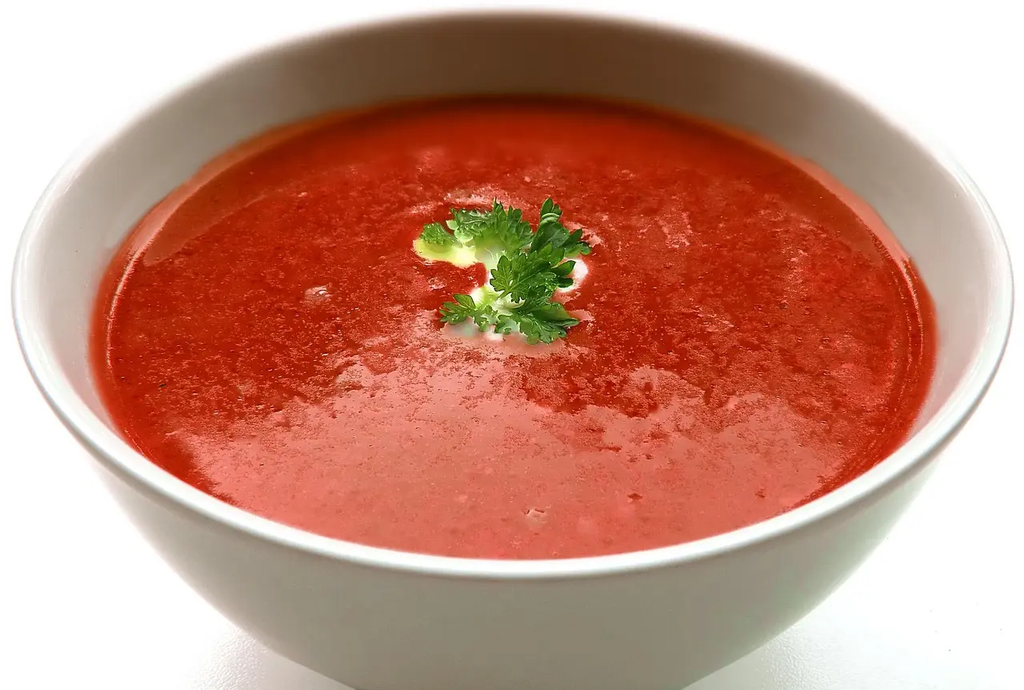
Cold soups include gazpacho (tomato-based) and vichyssoise (potato–leek cream soup); other cold vegetable or fruit soups are served chilled.
How do puréed soups differ from cream soups?
Puréed soups are thickened by blending cooked ingredients; cream soups are enriched with dairy (cream or milk) to create a velvety texture.
What is the difference between stock and broth?
Stock is simmered with bones (and sometimes meat) to extract gelatin for body; broth is simmered meat with water for a lighter flavor and is usually ready to eat.