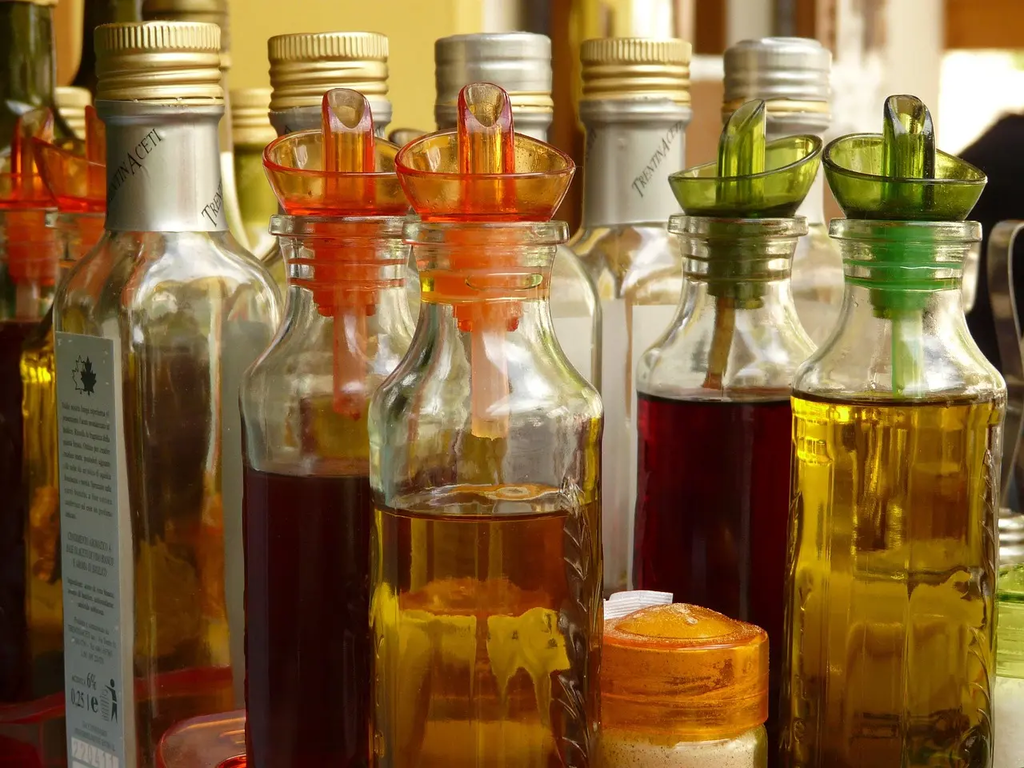
Vinegar comes in various types, each with distinct flavors and uses. Common varieties include white vinegar, apple cider vinegar, balsamic vinegar, red and white wine vinegar, rice vinegar, and malt vinegar. These types are made from different sources such as grains, fruits, or wine, and are frequently used in cooking, salad dressings, marinades, and pickling. Their unique tastes enhance food, making vinegar a versatile kitchen staple.
Types of Vinegar
Vinegar comes in various types, each with distinct flavors and uses. Common varieties include white vinegar, apple cider vinegar, balsamic vinegar, red and white wine vinegar, rice vinegar, and malt vinegar. These types are made from different sources such as grains, fruits, or wine, and are frequently used in cooking, salad dressings, marinades, and pickling. Their unique tastes enhance food, making vinegar a versatile kitchen staple.
💡 Key Takeaways
- Identify common types of vinegar (apple cider, white distilled, balsamic, red wine, rice, malt) and their distinct flavors.
- Understand typical acidity levels and how they influence cooking, seasoning, and balance.
- Learn common culinary uses and pairings for each vinegar type (dressings, marinades, reductions, pickling).
- Know when and how to substitute vinegars and how substitutions affect flavor and texture.
❓ Frequently Asked Questions
What are the common base ingredients used to make different types of vinegar?
Vinegar is made by fermenting ethanol from various sources: white vinegar from grain alcohol; apple cider vinegar from apples; red wine vinegar from red wine; balsamic vinegar from grape must; rice vinegar from fermented rice.
How do flavor profiles differ among White, Apple Cider, and Balsamic vinegars?
White vinegar is sharp and clean; apple cider vinegar is fruity and milder; balsamic vinegar is sweet, complex, and tangy with a syrupy texture.
What are common uses for different vinegars in cooking?
White vinegar for pickling and bright dressings; apple cider for salad dressings and glazes; red wine or balsamic for vinaigrettes and finishing; rice vinegar for sushi rice and Asian dishes.
What does typical vinegar acidity mean for cooking and preservation?
Most vinegars are about 5% acidity. Higher acidity provides stronger tang and better preservation (useful for pickling); milder vinegars are gentler in dressings and delicate dishes.