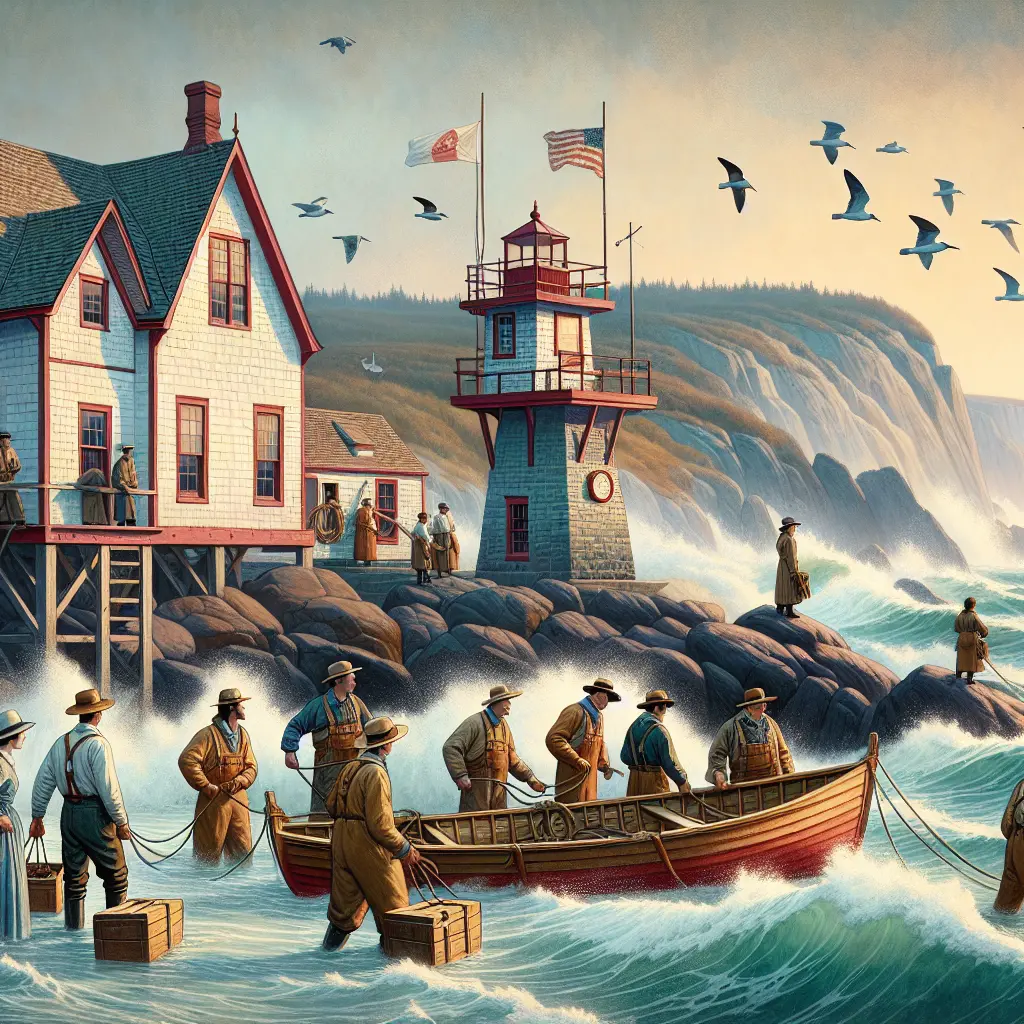
The phrase "U.S. Life-Saving Service Stations and Surfmen Heritage" refers to the historical legacy of coastal stations and the brave individuals, known as surfmen, who served in the United States Life-Saving Service. These stations, established in the 19th and early 20th centuries, were dedicated to rescuing shipwrecked mariners and passengers. Their heritage highlights a tradition of courage, innovation, and community service along America’s coastlines, forming the foundation of today’s Coast Guard.
U.S. Life-Saving Service Stations and Surfmen Heritage
The phrase "U.S. Life-Saving Service Stations and Surfmen Heritage" refers to the historical legacy of coastal stations and the brave individuals, known as surfmen, who served in the United States Life-Saving Service. These stations, established in the 19th and early 20th centuries, were dedicated to rescuing shipwrecked mariners and passengers. Their heritage highlights a tradition of courage, innovation, and community service along America’s coastlines, forming the foundation of today’s Coast Guard.
💡 Key Takeaways
- Understand the role of surfmen and how life-saving stations conducted coastal rescues.
- Trace the era from 19th/early 20th-century stations to the U.S. Coast Guard and the preservation of this heritage.
- Identify the equipment and techniques used, such as surfboats, breeches buoys, and the Lyle gun.
- Explore iconic life-saving stations and hidden-gem sites that celebrate maritime bravery.
❓ Frequently Asked Questions
What was the U.S. Life-Saving Service?
A federal coastal rescue program from the 19th century that operated stations staffed by surfmen who rescued shipwrecked mariners along U.S. shores.
Who were surfmen?
Training and skilled crews at Life-Saving Service stations who bravely patrolled the coast and performed rescues in dangerous conditions.
How did the life-saving stations operate?
Stations housed crews and equipment and would launch rescue operations—often using lifeboats and breeches buoys—to bring survivors ashore during shipwrecks.
What happened to the Life-Saving Service?
In 1915 it merged with the Revenue Cutter Service to form the U.S. Coast Guard; many stations were repurposed, preserved as museums, or designated landmarks.
Why are these stations and surfmen heritage considered iconic?
They symbolize coastal resilience and heroic rescues, featuring enduring 19th‑ and early 20th‑century architecture, with many sites preserved as museums and heritage landmarks.