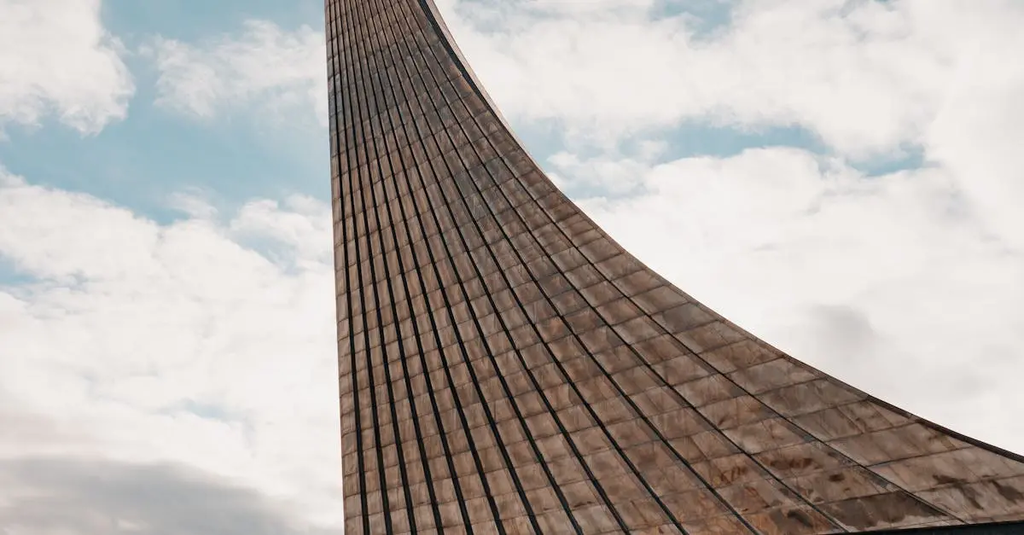
U.S. Presidential Libraries are not only archives but also carefully designed architectural spaces that shape public perception of each presidency. Their architecture often reflects the values and image each president wishes to project, using layout, materials, and exhibit design to guide visitors’ experiences. Through curated narratives and selective displays, these libraries exercise narrative control, influencing how history is remembered and how presidential legacies are interpreted by future generations.
U.S. Presidential Libraries: Architecture and Narrative Control
U.S. Presidential Libraries are not only archives but also carefully designed architectural spaces that shape public perception of each presidency. Their architecture often reflects the values and image each president wishes to project, using layout, materials, and exhibit design to guide visitors’ experiences. Through curated narratives and selective displays, these libraries exercise narrative control, influencing how history is remembered and how presidential legacies are interpreted by future generations.
💡 Key Takeaways
- Learn how presidential library architecture reflects a president's values and desired public image through design choices.
- Understand how layout, materials, light, and exhibit sequencing guide visitors and shape interpretation.
- Explore how curators exercise narrative control to craft the public story of a presidency.
- Discover iconic landmarks and hidden architectural gems that reveal nuanced aspects of presidential history beyond the obvious.
❓ Frequently Asked Questions
What is the primary role of U.S. Presidential Libraries beyond archiving records?
They function as museums and archives that preserve presidential materials while presenting a curated narrative of a presidency.
How can architecture influence how visitors understand a presidency?
Through layout, materials, scale, light, and exhibit sequencing that guide interpretation and communicate values, authority, or accessibility.
What does 'narrative control' mean in the context of these libraries?
It refers to deliberately shaping stories and exhibits to influence public memory and interpretation of a presidency.
What architectural features signal a president's image in the library’s design?
Material choices (stone, brick, glass), monumentality, public spaces, and exhibit design that foreground certain themes and tones.
Why are presidential libraries considered landmark institutions?
They are iconic, purpose-built spaces in prominent settings that reflect national memory and host public programs beyond archives.