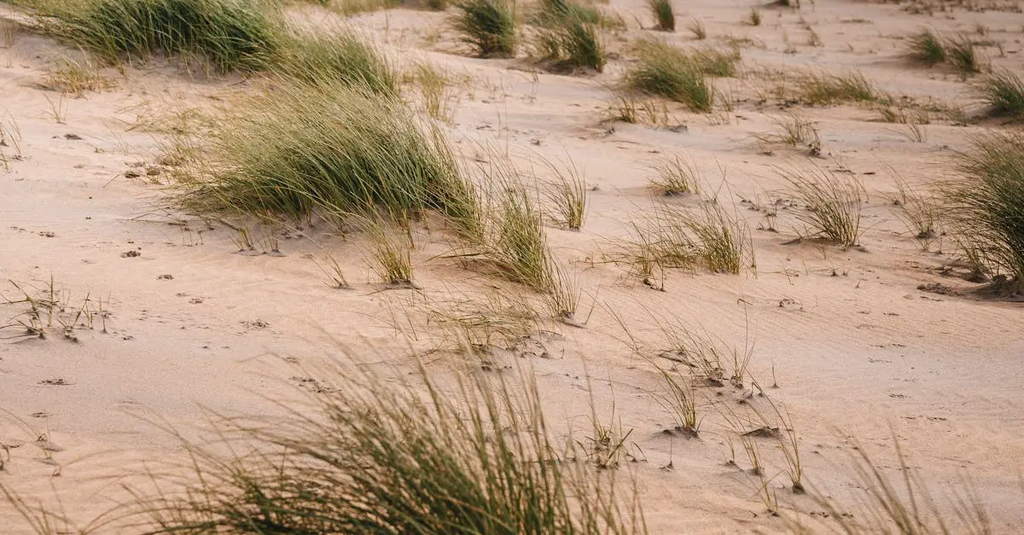
UK coastal features include dramatic cliffs such as the White Cliffs of Dover, sandy beaches, rocky shores, and numerous bays and estuaries. The coastline is shaped by erosion, deposition, and tidal forces, resulting in unique formations like arches, stacks, and caves. Salt marshes, sand dunes, and mudflats are also common, supporting diverse wildlife. The varied coastline attracts tourists and plays a significant role in the country’s natural heritage.
UK coastal features+50
UK coastal features include dramatic cliffs such as the White Cliffs of Dover, sandy beaches, rocky shores, and numerous bays and estuaries. The coastline is shaped by erosion, deposition, and tidal forces, resulting in unique formations like arches, stacks, and caves. Salt marshes, sand dunes, and mudflats are also common, supporting diverse wildlife. The varied coastline attracts tourists and plays a significant role in the country’s natural heritage.
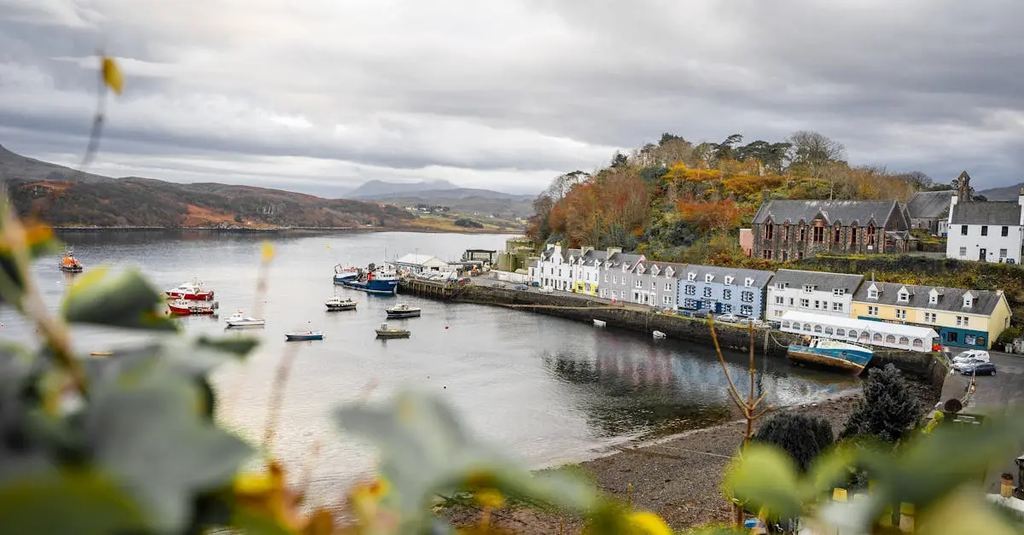
💡 Key Takeaways
- Identify key UK coastal features (cliffs, sandy beaches, rocky shores, bays, estuaries) and iconic examples like the White Cliffs of Dover.
- Explain how erosion, deposition, and tidal forces shape coastlines and create landforms such as arches, caves, stacks, and beaches.
- Describe how arches, stacks, and caves form and evolve through stages of coastal processes.
- Explore coastal ecosystems like salt marshes and sand dunes and their roles in protection, habitat, and carbon storage.
❓ Frequently Asked Questions
What are common UK coastal features?
Examples include dramatic chalk cliffs such as the White Cliffs of Dover, sandy beaches, rocky shores, bays, estuaries, arches, stacks, caves, salt marshes, and sand dunes.
What processes shape the UK coastline?
Erosion, deposition, and tidal forces continually sculpt cliffs, beaches, and other landforms.
What are arches, stacks, and caves?
They are formed by wave action: caves develop in rock, arches form when a cave breaks through, and stacks are isolated columns left after an arch collapses.
What are salt marshes and sand dunes?
Salt marshes are coastal wetlands flooded by tides; sand dunes are wind-formed ridges of sand stabilized by vegetation, helping protect the coast.
What is an estuary?
An estuary is a tidal area where a river meets the sea, mixing fresh and salty water and supporting rich wildlife.