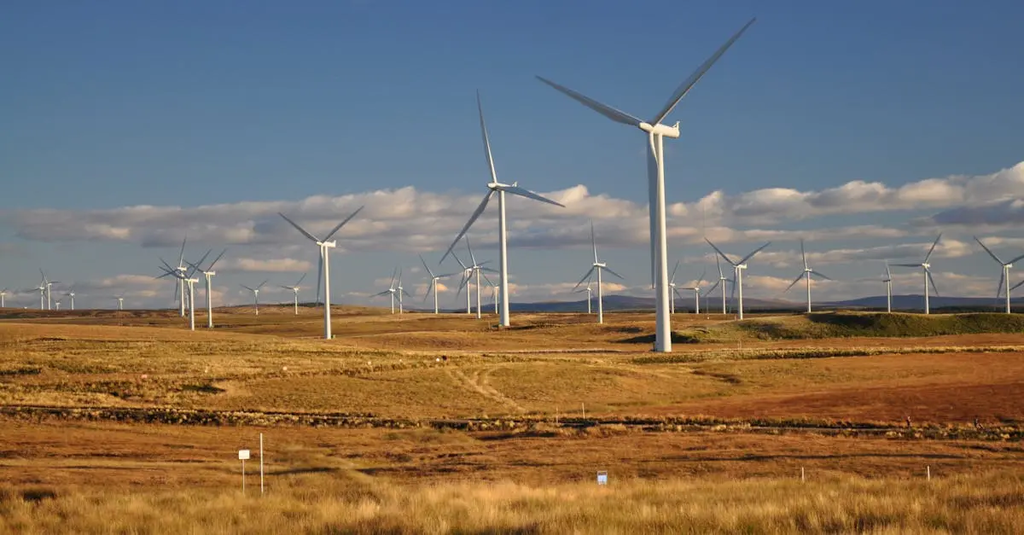
UK environmental initiatives encompass a range of policies and programs aimed at reducing pollution, conserving natural resources, and combating climate change. Key efforts include promoting renewable energy, improving energy efficiency, enhancing recycling systems, and protecting biodiversity. The UK government has set ambitious targets for net-zero carbon emissions by 2050, banned single-use plastics, and encouraged green transportation. These initiatives reflect a commitment to sustainable development and environmental stewardship across the nation.
UK environmental initiatives+50
UK environmental initiatives encompass a range of policies and programs aimed at reducing pollution, conserving natural resources, and combating climate change. Key efforts include promoting renewable energy, improving energy efficiency, enhancing recycling systems, and protecting biodiversity. The UK government has set ambitious targets for net-zero carbon emissions by 2050, banned single-use plastics, and encouraged green transportation. These initiatives reflect a commitment to sustainable development and environmental stewardship across the nation.
💡 Key Takeaways
- Identify the UK's key strategies for promoting renewable energy and how they cut greenhouse gas emissions.
- Explain how energy efficiency programs in homes and industry reduce energy demand and pollution.
- Describe the UK's recycling and waste-management policies and how they conserve resources.
- Understand biodiversity protection measures and conservation policies in the UK, including protected areas and restoration efforts.
❓ Frequently Asked Questions
What are the main aims of UK environmental initiatives?
They aim to reduce pollution, conserve natural resources, and tackle climate change.
How do UK environmental initiatives promote renewable energy?
They support growth of renewables such as wind and solar through policies, incentives, and grid upgrades.
What measures do UK initiatives use to improve energy efficiency?
They promote better building standards, energy-efficient appliances, insulation, and retrofitting homes and businesses.
How do UK initiatives enhance recycling systems?
They improve collection and processing, set recycling targets, and encourage reuse and waste reduction.
How is biodiversity protected under UK environmental initiatives?
They aim to safeguard habitats and species, create ecological networks, and apply biodiversity net gain in planning.