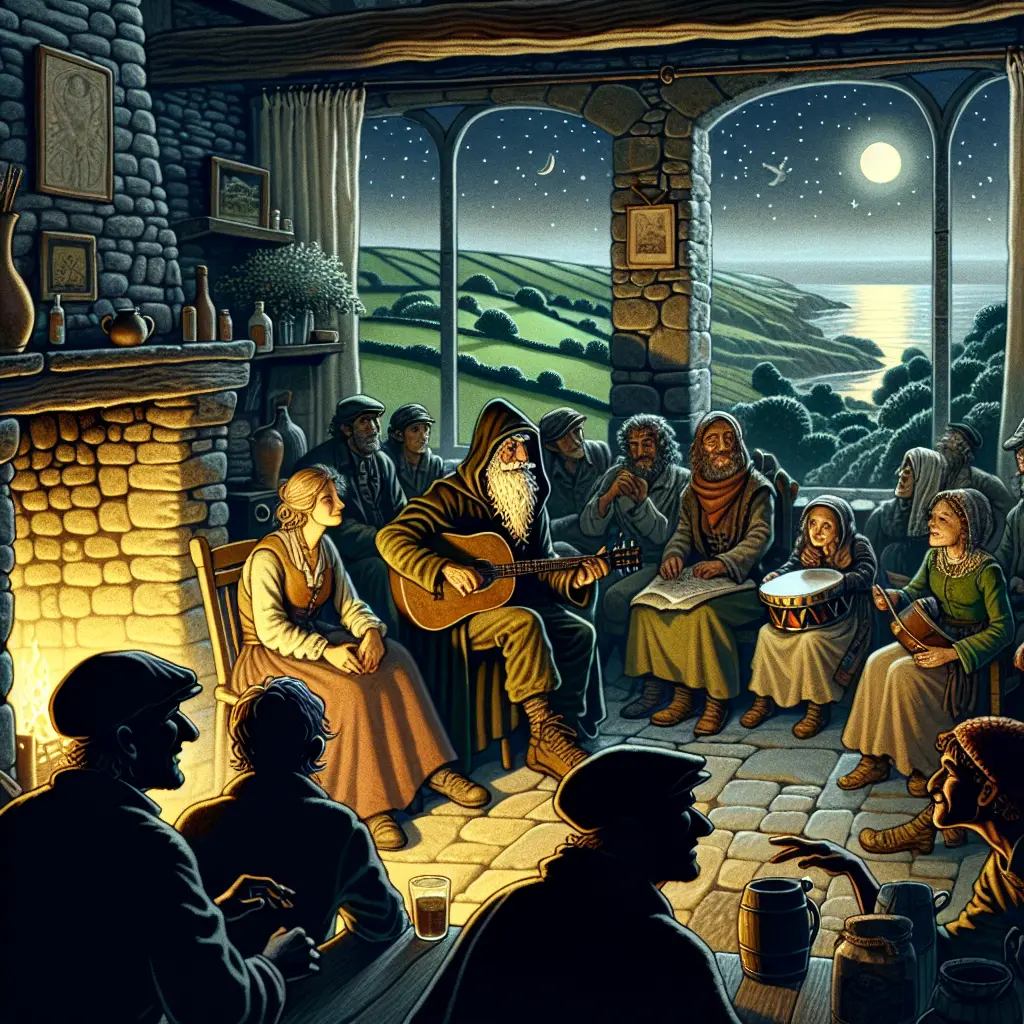
UK folk ballads and storytelling traditions are rich cultural practices that use song and spoken word to convey tales of love, heroism, tragedy, and historical events. Passed down orally through generations, these ballads often feature memorable melodies, repetitive structures, and vivid characters. Storytelling sessions, whether in homes or public gatherings, foster community bonds and preserve regional dialects, myths, and customs, reflecting the diverse heritage of England, Scotland, Wales, and Northern Ireland.
UK folk ballads and storytelling traditions
UK folk ballads and storytelling traditions are rich cultural practices that use song and spoken word to convey tales of love, heroism, tragedy, and historical events. Passed down orally through generations, these ballads often feature memorable melodies, repetitive structures, and vivid characters. Storytelling sessions, whether in homes or public gatherings, foster community bonds and preserve regional dialects, myths, and customs, reflecting the diverse heritage of England, Scotland, Wales, and Northern Ireland.
💡 Key Takeaways
- Learn how UK folk ballads blend song and spoken storytelling to convey love, heroism, tragedy, and historical events.
- Identify common ballad devices such as refrains, repetition, and simple, narrative lyrics that aid memorability.
- Understand how oral tradition preserves community memory, values, and identities across generations.
- Explore regional differences within the UK that shape ballad themes, characters, and performance styles.
❓ Frequently Asked Questions
What are UK folk ballads and how do they convey stories?
Traditional songs from Britain and Ireland that tell tales of love, heroism, tragedy, or history, usually sung with memorable melodies and refrains.
How were these ballads passed down and preserved over time?
Primarily through oral transmission from singer to listener across generations; many were later printed on broadsides or collected by scholars (e.g., the Child Ballads) to preserve them.
What are common features of their storytelling and music?
They often use repetition and a refrain, vivid characters, and a straightforward narrative that unfolds across verses, sometimes with dialogue.
Why are UK folk ballads and storytelling traditions important?
They preserve cultural memory, reflect local histories and communities, and showcase language and performance practices shared across generations.