The UK government structure is a constitutional monarchy combined with a parliamentary system. The monarch serves as the ceremonial head of state, while real political power lies with Parliament and the Prime Minister. Parliament consists of two houses: the elected House of Commons and the appointed House of Lords. The Prime Minister leads the executive branch, forming a Cabinet from Members of Parliament to run government departments and implement laws passed by Parliament.
UK government structure+45
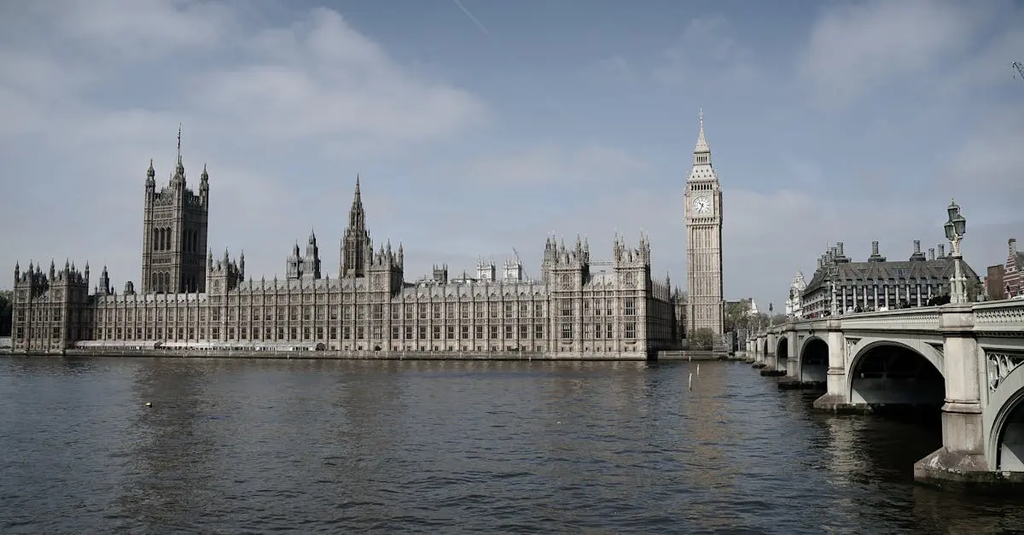
The UK government structure is a constitutional monarchy combined with a parliamentary system. The monarch serves as the ceremonial head of state, while real political power lies with Parliament and the Prime Minister. Parliament consists of two houses: the elected House of Commons and the appointed House of Lords. The Prime Minister leads the executive branch, forming a Cabinet from Members of Parliament to run government departments and implement laws passed by Parliament.
💡 Key Takeaways
- Understand that the UK combines a constitutional monarchy with a parliamentary system, where the monarch is the ceremonial head of state.
- Identify Parliament’s two houses—the House of Commons (elected) and the House of Lords (appointed)—and their primary roles.
- Explain how the Prime Minister and the Cabinet lead government policy and are accountable to Parliament.
- Describe the basic lawmaking process in Parliament, including how a bill is debated in both houses and becomes law.
❓ Frequently Asked Questions
What is a constitutional monarchy?
A system in which the monarch is the ceremonial head of state, while real political power rests with Parliament and the Prime Minister.
Who holds real political power in the UK?
Parliament and the Prime Minister, with Parliament making laws and the Prime Minister leading the government.
What are the two houses of Parliament?
The House of Commons (elected) and the House of Lords (appointed).
What is the monarch's role?
To serve as the ceremonial head of state with duties that are mainly representative and ceremonial; governing power is not held by the monarch.
What is the Prime Minister's role?
The head of government who leads the government and policy, usually the leader of the party with a majority in the House of Commons.