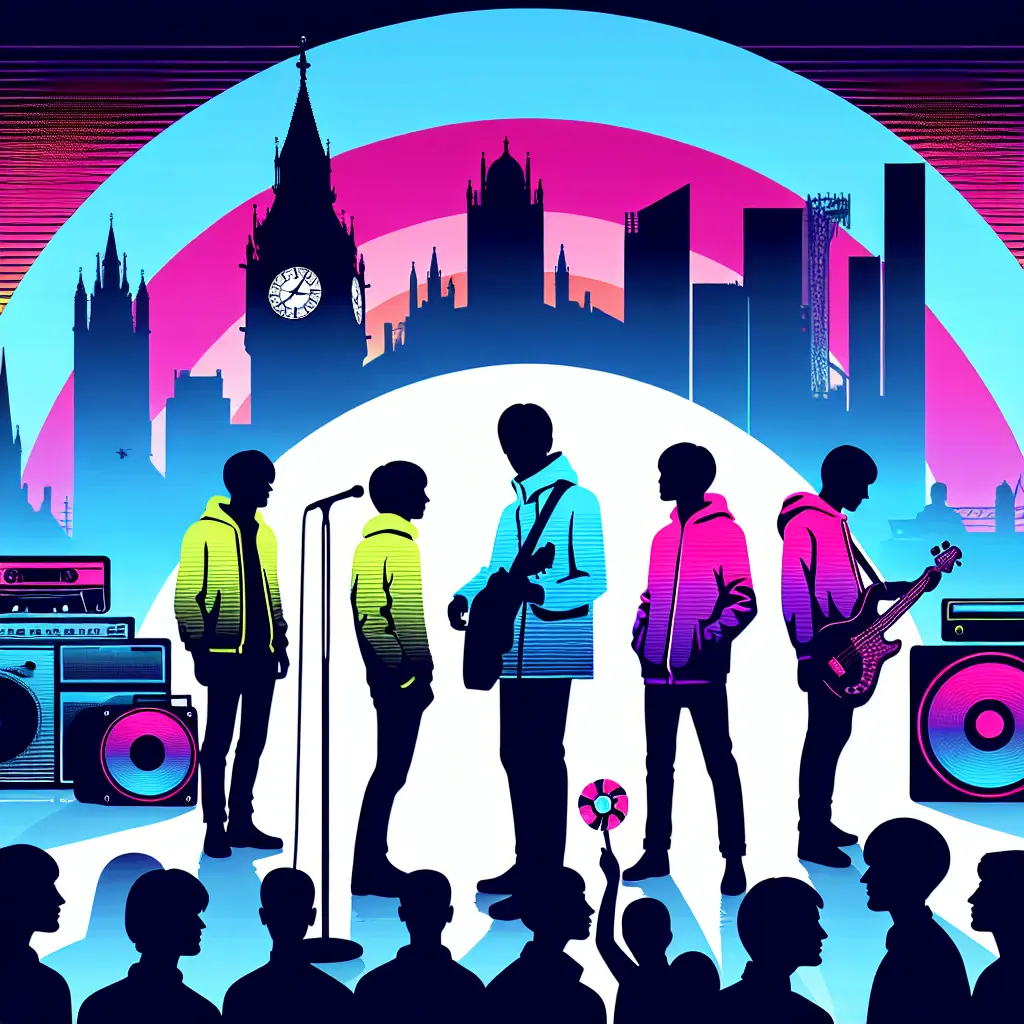
UK radio sessions, particularly the iconic Peel Sessions hosted by John Peel on BBC Radio, played a pivotal role in promoting emerging and alternative music from the 1960s onwards. These live recordings offered artists a platform to experiment and reach wider audiences, often capturing raw, unique performances. The Peel Sessions legacy endures as a testament to musical innovation and discovery, influencing generations of musicians and shaping the UK’s vibrant music culture.
UK radio sessions and Peel Sessions legacy
UK radio sessions, particularly the iconic Peel Sessions hosted by John Peel on BBC Radio, played a pivotal role in promoting emerging and alternative music from the 1960s onwards. These live recordings offered artists a platform to experiment and reach wider audiences, often capturing raw, unique performances. The Peel Sessions legacy endures as a testament to musical innovation and discovery, influencing generations of musicians and shaping the UK’s vibrant music culture.
💡 Key Takeaways
- How Peel Sessions promoted emerging and alternative British music from the 1960s onward.
- How live sessions allowed artists to experiment and capture raw, distinctive performances.
- How John Peel's curatorial approach shaped indie, punk, and underground scenes.
- How the Peel Sessions left an enduring archival and cultural legacy in radio and music history.
❓ Frequently Asked Questions
What is a Peel Session?
A Peel Session is a live-in-studio performance recorded for John Peel's BBC radio show, often delivering raw, experimental takes that differ from studio releases.
Why were Peel Sessions influential for British music?
They gave emerging and underground acts national exposure, helping to launch careers and showcase innovative sounds across genres.
How did Peel Sessions differ from standard studio releases?
Recorded quickly with minimal production, Peel Sessions emphasize spontaneity and raw energy over polished studio sound.
Where can I listen to Peel Sessions today?
Many recordings are archived by the BBC and released on compilations and online platforms; search for 'Peel Sessions' by artist name or on BBC archives.
When did Peel Sessions begin and who hosted them?
They began in 1967 and were part of John Peel's BBC Radio 1 show, spanning genres from punk and indie to experimental music.