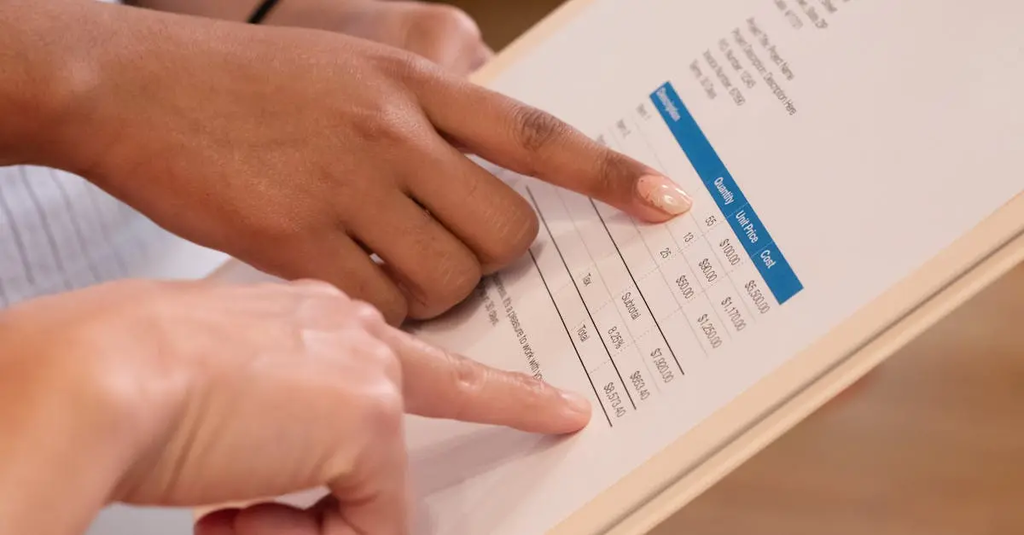
UK-Specific Money Know-How refers to the practical financial knowledge and skills tailored to the United Kingdom’s unique economic environment. This encompasses understanding British banking systems, currency, tax regulations, credit scores, savings options, and consumer rights. It also involves familiarity with UK-specific financial products, government benefits, and investment opportunities. Such know-how helps individuals make informed decisions, manage their money effectively, and navigate the complexities of the UK’s financial landscape.
UK-Specific Money Know-How+50
UK-Specific Money Know-How refers to the practical financial knowledge and skills tailored to the United Kingdom’s unique economic environment. This encompasses understanding British banking systems, currency, tax regulations, credit scores, savings options, and consumer rights. It also involves familiarity with UK-specific financial products, government benefits, and investment opportunities. Such know-how helps individuals make informed decisions, manage their money effectively, and navigate the complexities of the UK’s financial landscape.
💡 Key Takeaways
- Understand the basics of the UK banking system, including types of accounts (current and savings) and how to choose the right provider.
- Know how GBP money works day-to-day, including reading bank statements and using UK payment methods (Direct Debit, Faster Payments, card payments).
- Learn UK tax fundamentals: Income Tax bands, National Insurance, personal allowances, and how PAYE affects take-home pay.
- Grasp how credit scores work in the UK, how to check your score, and practical tips to improve it.
- Explore UK savings options (cash ISAs, stocks and shares ISAs, and regular savings) and the role of interest rates and emergency funds.
❓ Frequently Asked Questions
What currency is used in the UK and how do pounds and pence work?
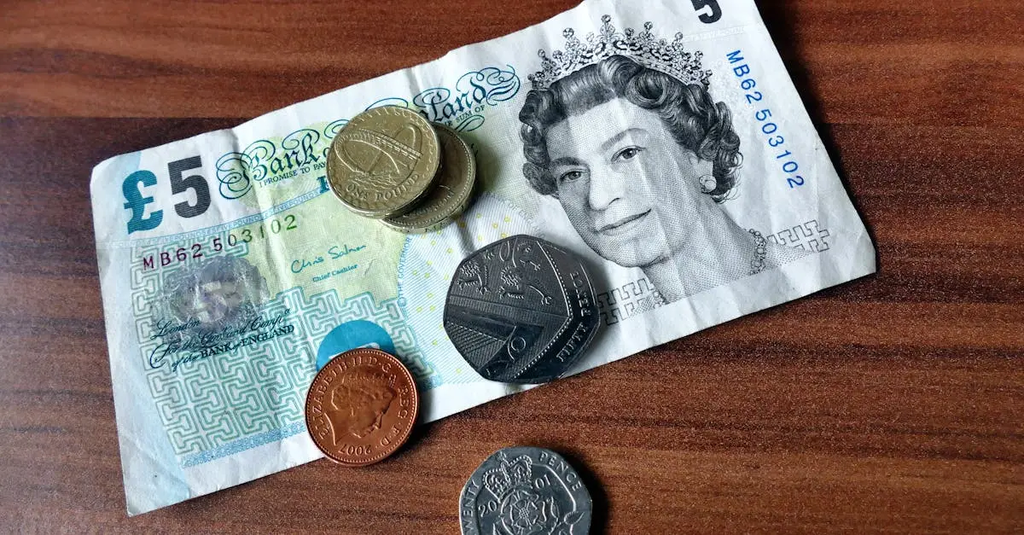
The UK uses Pound Sterling (GBP). Banknotes come in £5, £10, £20 and £50, and coins range from 1p to £2. Money is typically handled in pounds and pence, with digital payments (cards and mobile) widely used.
How do UK banks and everyday accounts work?
A current account is used for daily spending and includes a debit card, online banking, Direct Debits, and standing orders. You can switch banks through the Current Account Switching Service, and overdrafts may be available if needed.
What are the key UK tax basics for individuals?
Most people have a tax-free personal allowance; income tax bands vary by income, and National Insurance contributions apply. Employees are typically taxed through PAYE; self-employed individuals may use Self Assessment. Thresholds can change yearly.
How does UK credit scoring work and how can you improve yours?
Credit scores come from credit reference agencies (Experian, Equifax, TransUnion) and reflect your borrowing and repayment history. Build it by paying on time, keeping debt low, avoiding frequent new applications, and ensuring you’re on the electoral roll; review reports for errors.
What are common UK savings options and how do they differ?
Options include easy-access or fixed-term cash savings, ISAs (Cash ISA, Stocks & Shares ISA, Lifetime ISA) with tax advantages, and NS&I Premium Bonds. Choose based on access needs, risk tolerance, and tax considerations.