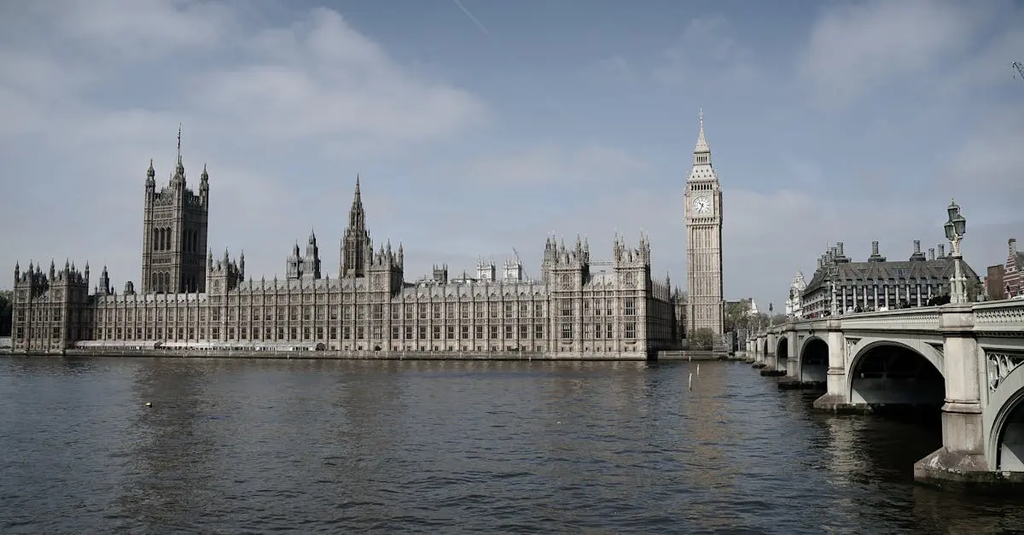
The UK taxation system is a comprehensive framework through which the government collects revenue to fund public services. It includes direct taxes, such as income tax and corporation tax, and indirect taxes, like Value Added Tax (VAT) and excise duties. Tax rates and allowances vary based on income levels and personal circumstances. Administration and collection are managed primarily by HM Revenue & Customs (HMRC), ensuring compliance and addressing tax evasion.
UK taxation system overview
The UK taxation system is a comprehensive framework through which the government collects revenue to fund public services. It includes direct taxes, such as income tax and corporation tax, and indirect taxes, like Value Added Tax (VAT) and excise duties. Tax rates and allowances vary based on income levels and personal circumstances. Administration and collection are managed primarily by HM Revenue & Customs (HMRC), ensuring compliance and addressing tax evasion.
💡 Key Takeaways
- Distinguish direct taxes (income tax, corporation tax) from indirect taxes (VAT, excise duties) in the UK.
- Explain how income tax bands and personal allowances affect take-home pay.
- Describe how VAT and excise duties influence prices and government revenue.
- Understand the purpose of the UK tax system and how tax policy funds public services, with different rates by income.
❓ Frequently Asked Questions
What is the difference between direct and indirect taxes in the UK?
Direct taxes are paid directly to HMRC by individuals or companies on income or profits (e.g., income tax, corporation tax). Indirect taxes are charged on goods/services and collected at sale (e.g., VAT and excise duties).
What is the personal allowance and how does it affect income tax?
The personal allowance is the tax-free amount you can earn each year. Any income above this is taxed at the applicable rates. The allowance can be reduced for higher earners and may be eliminated for very high incomes.
How do UK income tax bands work in England, Wales, and Northern Ireland?
Basic rate: 20% on income from £12,571 to £37,700; Higher rate: 40% on £37,701 to £150,000; Additional rate: 45% on income above £150,000. Scotland has different bands.
What is corporation tax and who pays it?
Corporation tax is charged on company profits. The main rate is 25% for large profits (above £250,000); 19% for small profits (up to £50,000); a marginal relief applies for profits between £50,000 and £250,000.
What is VAT and when do you pay it?
VAT is a consumption tax charged on most goods and services. The standard rate is 20% (with reduced 5% and zero-rated items). VAT is collected by VAT-registered businesses and paid to HMRC; the registration threshold is about £85,000 turnover.