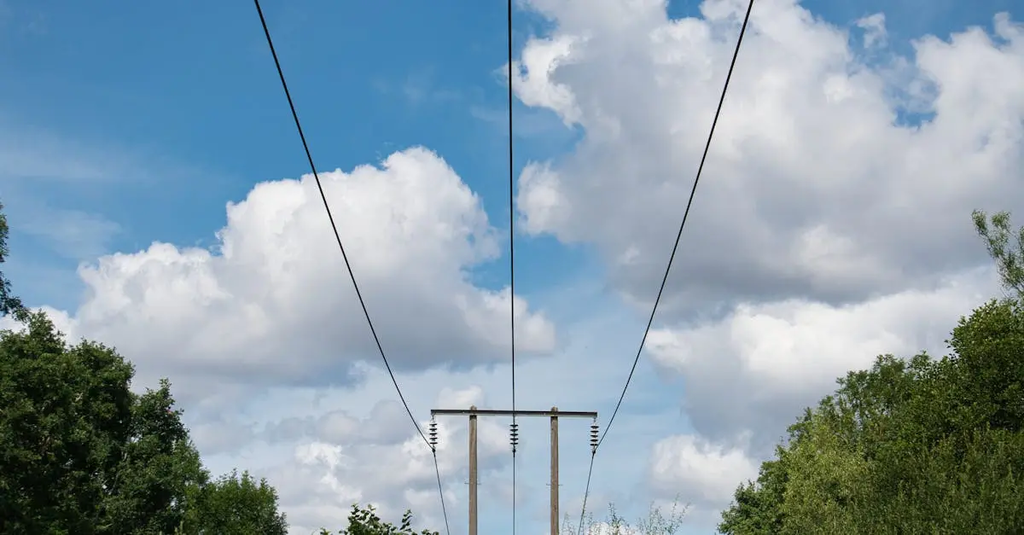
UK transport networks encompass the various systems and infrastructures that facilitate movement of people and goods across the United Kingdom. This includes an extensive rail network, major motorways and roads, domestic and international airports, and ferry services connecting islands and mainland. Urban areas often feature public transportation such as buses, trams, and underground trains. These interconnected networks support economic activity, daily commuting, tourism, and trade throughout the country.
UK transport networks+50
UK transport networks encompass the various systems and infrastructures that facilitate movement of people and goods across the United Kingdom. This includes an extensive rail network, major motorways and roads, domestic and international airports, and ferry services connecting islands and mainland. Urban areas often feature public transportation such as buses, trams, and underground trains. These interconnected networks support economic activity, daily commuting, tourism, and trade throughout the country.
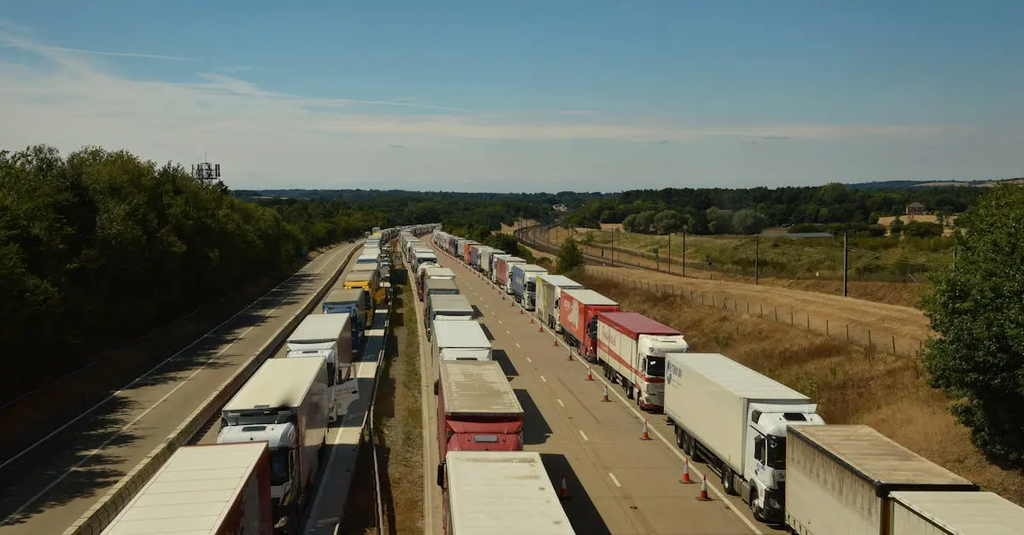
💡 Key Takeaways
- Recognise the main components of the UK's transport network: rail, motorways/roads, airports, and ferries.
- Explain how these modes connect to move people and goods domestically and internationally.
- Identify major transport hubs (key rail termini, airports, ports) and what they enable for travel and trade.
- Understand how geography, planning, and policy influence the development and connectivity of UK transport networks.
❓ Frequently Asked Questions
What are the main components of the United Kingdom transport networks?
The main components are the rail network, roads and motorways, airports for domestic and international travel, and ferry services that connect islands with the mainland and beyond.
How is the rail network in the United Kingdom organized?
Tracks and signals are managed by Network Rail, while passenger services are run by multiple Train Operating Companies; safety and standards are overseen by the Office of Rail and Road.
What distinguishes a motorway from other roads in the United Kingdom?
Motorways are high-capacity, multi-lane roads with controlled access and no traffic lights, designed for fast long-distance travel; other roads may have junctions and traffic signals.
Why are airports and ferries important for UK transport?
Airports enable international and domestic air travel for people and cargo; ferries connect islands to the mainland and to other countries, supporting passenger and freight movements.