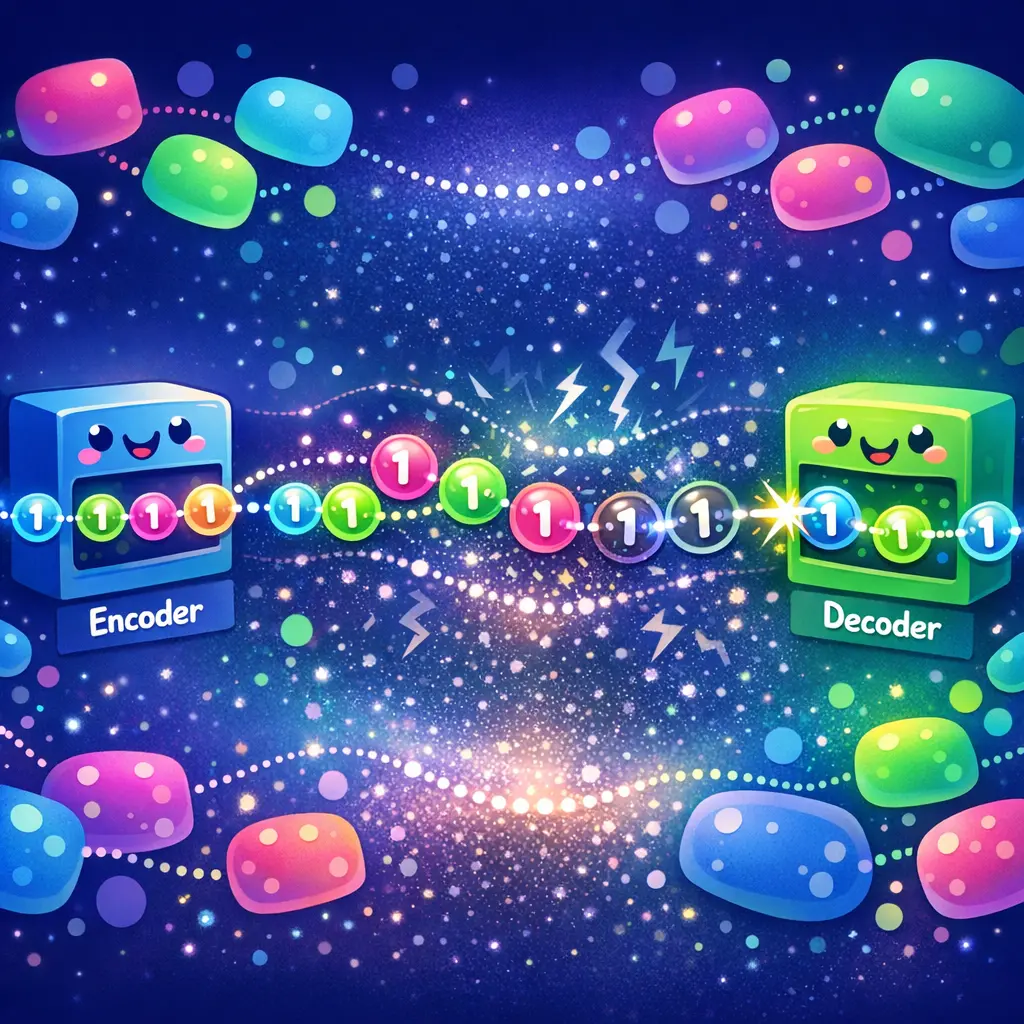
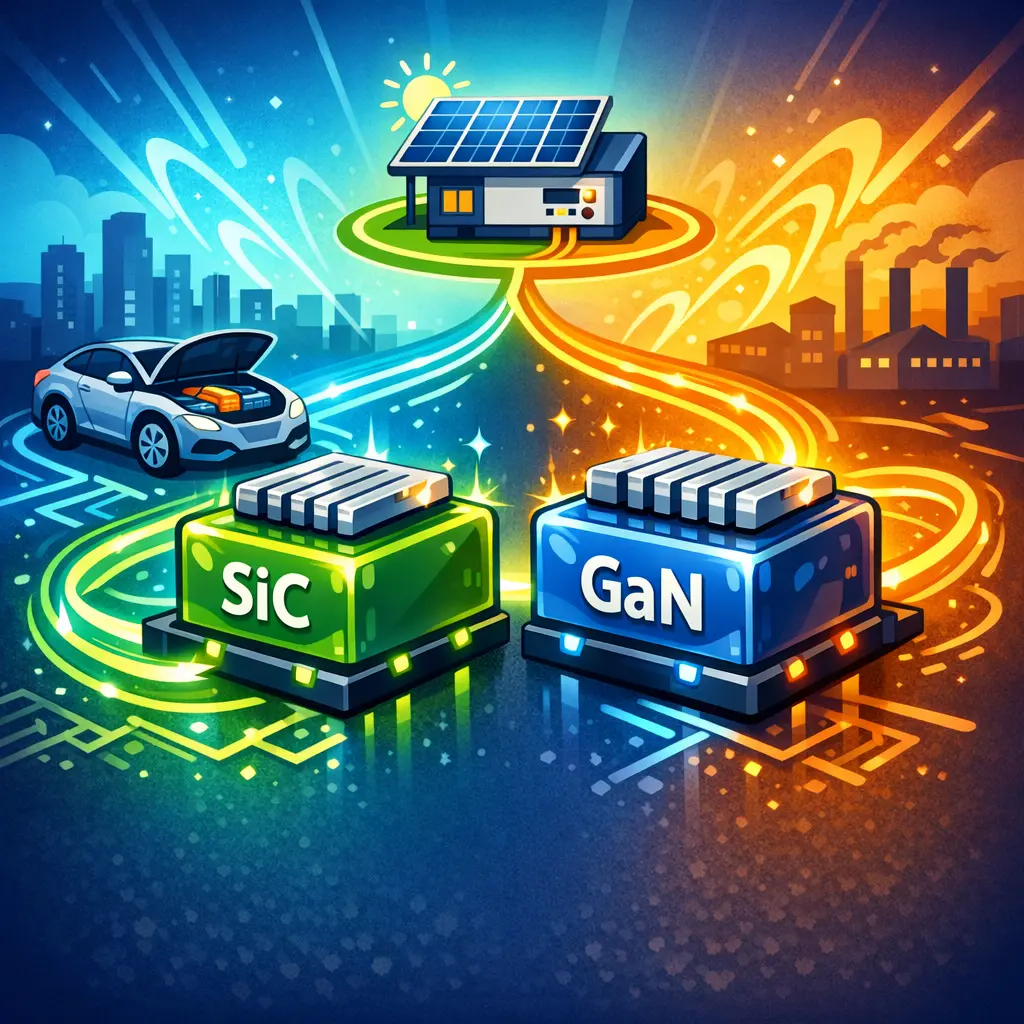
Ultra-Reliable Low-Latency Communications (URLLC) refers to advanced telecommunications systems designed to deliver extremely dependable and fast data transmission. URLLC is crucial for applications requiring near-instantaneous response and minimal downtime, such as autonomous vehicles, industrial automation, remote surgery, and smart grids. By minimizing delays and ensuring consistent signal quality, URLLC enables real-time control and monitoring, enhancing safety, efficiency, and performance in critical telecoms, signals, and power infrastructure.
Ultra-Reliable Low-Latency Communications
Ultra-Reliable Low-Latency Communications (URLLC) refers to advanced telecommunications systems designed to deliver extremely dependable and fast data transmission. URLLC is crucial for applications requiring near-instantaneous response and minimal downtime, such as autonomous vehicles, industrial automation, remote surgery, and smart grids. By minimizing delays and ensuring consistent signal quality, URLLC enables real-time control and monitoring, enhancing safety, efficiency, and performance in critical telecoms, signals, and power infrastructure.
💡 Key Takeaways
- Define Ultra-Reliable Low-Latency Communications (URLLC) and its role in 5G networks.
- State typical latency and reliability targets for URLLC.
- Name core techniques that enable URLLC (edge computing, network slicing, grant-free access, redundancy).
- Identify major URLLC use cases (industrial automation, autonomous vehicles, remote robotics).
❓ Frequently Asked Questions
What does URLLC stand for and what is its main goal?
URLLC stands for Ultra-Reliable Low-Latency Communications. Its main goal is to provide extremely reliable, time-sensitive communications with very low end-to-end latency for critical applications.
What latency and reliability targets are typically associated with URLLC?
Targets include end-to-end latency of about 1 millisecond and reliability of about 99.999% (five nines) in ideal conditions; actual deployments may vary.
What are common use cases for URLLC?
Industrial automation and robotic control, autonomous or connected vehicles, remote surgery, and real-time control of critical infrastructure.
How does URLLC differ from other 5G service types like eMBB and mMTC?
URLLC prioritizes ultra-low latency and high reliability; eMBB aims for high data rates; mMTC targets massive device connectivity with small data per device. They use different network optimizations and scheduling.
What technologies help enable URLLC in networks?
Edge computing and network slicing, grant-free or low-latency scheduling, short packets, diversity (time/frequency/spatial), robust error correction, and fast signaling.