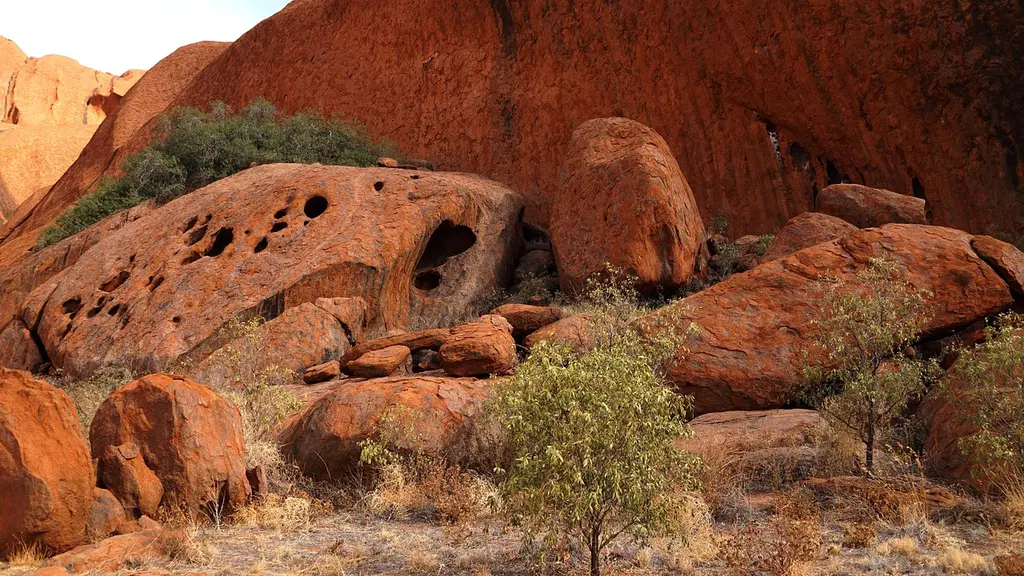
Uluru, also known as Ayers Rock, is a massive sandstone monolith located in the Northern Territory of Australia. Recognized as a UNESCO World Heritage Site, it rises dramatically from the surrounding desert and holds deep spiritual significance for the Anangu, the region’s Indigenous people. Uluru is renowned for its striking red color, which changes with the light, and is considered one of the world’s most iconic natural landmarks.
Uluru
Uluru, also known as Ayers Rock, is a massive sandstone monolith located in the Northern Territory of Australia. Recognized as a UNESCO World Heritage Site, it rises dramatically from the surrounding desert and holds deep spiritual significance for the Anangu, the region’s Indigenous people. Uluru is renowned for its striking red color, which changes with the light, and is considered one of the world’s most iconic natural landmarks.
💡 Key Takeaways
- Uluru’s geology: a massive sandstone monolith in central Australia and its ancient formation.
- Cultural significance: the Anangu people’s traditional beliefs, language, and stories tied to Uluru.
- Visual phenomena: Uluru's color changes at sunrise and sunset and features like caves and rock art.
- Visiting guidelines: how to visit responsibly, including respecting sacred sites and current climbing rules.
❓ Frequently Asked Questions
What is Uluru?
Uluru is a massive sandstone rock formation in Australia's Northern Territory, also known as Ayers Rock. It is a sacred site for the Anangu people and a major natural landmark.
Where is Uluru located and how tall is it?
Uluru sits in Uluru-Kata Tjuta National Park, about 450 km from Alice Springs. It rises about 348 meters (1,142 feet) above the plain and has a circumference of about 9.4 km (5.8 miles).
Why is Uluru sacred to Indigenous Australians?
Uluru is tied to Anangu creation stories and is treated as a living cultural landscape with traditional laws, ceremonies, and art linked to the site.
Can visitors climb Uluru, and what should you do instead?
Climbing Uluru is no longer permitted (since 2019). Visitors should stay on designated trails, walk around the base, and learn about the site's geology and Anangu culture.