Understanding bull and bear markets in the US stock markets refers to recognizing periods of rising and falling stock prices. A bull market is characterized by sustained increases in stock prices, investor confidence, and economic optimism. Conversely, a bear market involves prolonged declines in stock prices, widespread pessimism, and reduced investor confidence. Recognizing these trends helps investors make informed decisions, manage risks, and capitalize on market opportunities during different economic cycles.
Understanding Bull and Bear Markets
Understanding bull and bear markets in the US stock markets refers to recognizing periods of rising and falling stock prices. A bull market is characterized by sustained increases in stock prices, investor confidence, and economic optimism. Conversely, a bear market involves prolonged declines in stock prices, widespread pessimism, and reduced investor confidence. Recognizing these trends helps investors make informed decisions, manage risks, and capitalize on market opportunities during different economic cycles.
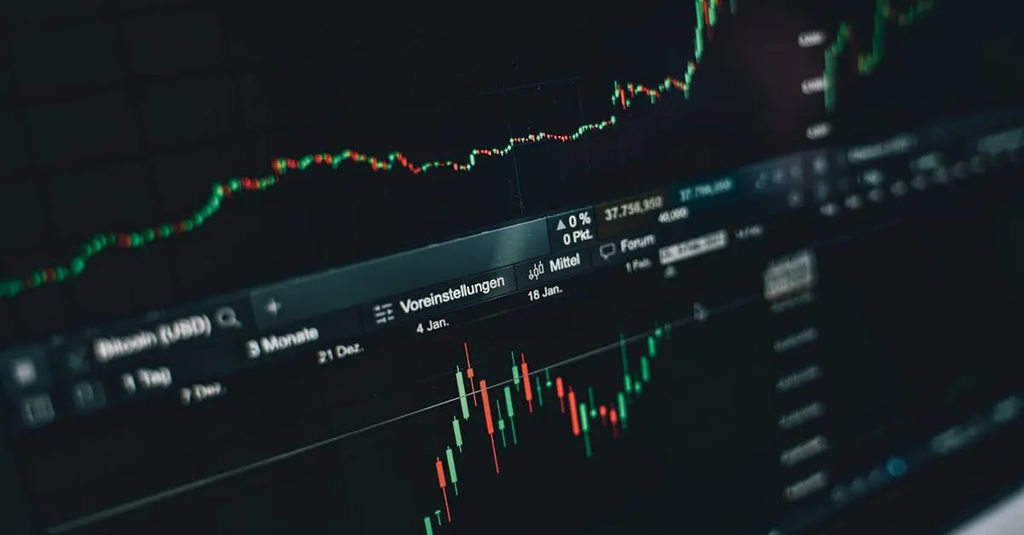
💡 Key Takeaways
- Understand what bull and bear markets mean and how they differ
- Learn how rising or falling price trends signal a market direction
- Identify common indicators and signals that suggest bullish or bearish momentum
- Discover how market direction can influence investing decisions and risk management
❓ Frequently Asked Questions
What is a bull market?
A period when prices rise steadily and investor optimism is high; commonly defined as a 20%+ rise from a recent low.
What is a bear market?
A period when prices fall and pessimism dominates; typically a 20%+ drop from a recent high.
How can you identify a transition between bull and bear markets?
Look for a sustained move beyond the 20% threshold and confirm with trend indicators (like moving averages) and changing investor sentiment.
How should investors navigate bull and bear markets?
In a bull market, emphasize diversification and disciplined risk management; in a bear market, consider high-quality defensive assets, risk control, and patience with a long-term plan.