"Understanding Hypothermia (Survival Stories)" explores the condition where the body loses heat faster than it can produce it, causing dangerously low body temperature. The phrase suggests both an explanation of hypothermia—its causes, symptoms, and risks—and real-life survival accounts. These stories highlight how individuals recognized symptoms, responded to emergencies, and overcame life-threatening cold, offering insights into prevention, treatment, and the resilience required to survive extreme conditions.
Understanding Hypothermia
"Understanding Hypothermia (Survival Stories)" explores the condition where the body loses heat faster than it can produce it, causing dangerously low body temperature. The phrase suggests both an explanation of hypothermia—its causes, symptoms, and risks—and real-life survival accounts. These stories highlight how individuals recognized symptoms, responded to emergencies, and overcame life-threatening cold, offering insights into prevention, treatment, and the resilience required to survive extreme conditions.
💡 Key Takeaways
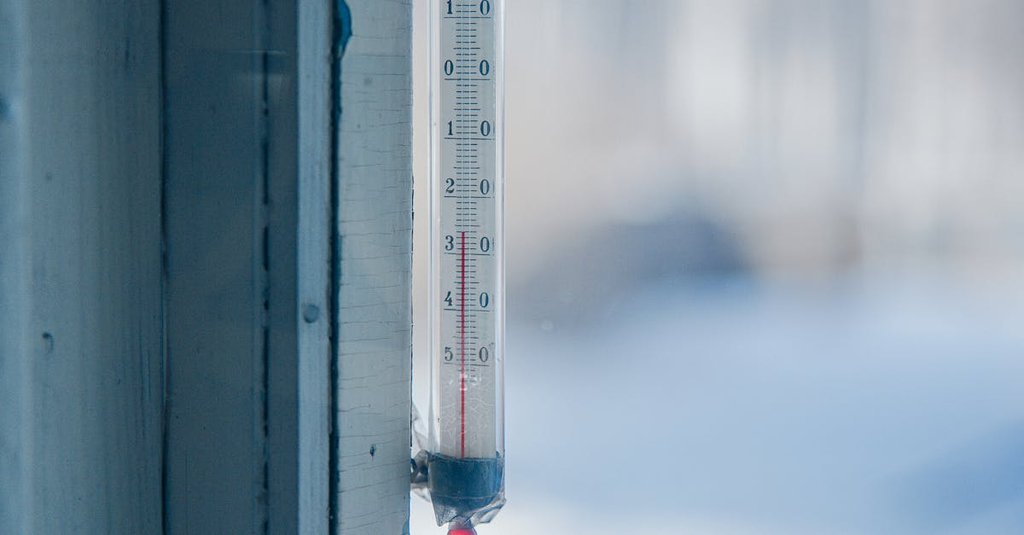
- Define hypothermia and the typical core temperature range that indicates it (below 95°F / 35°C).
- Identify common early signs (shivering, clumsiness, confusion) and late signs (slowed speech, drowsiness, unconsciousness).
- Know risk factors and situations that raise risk (cold/wet environments, wind chill, extreme ages, alcohol use, certain medical conditions).
- Learn basic first aid: move to warmth, dry and insulate, remove wet clothing, offer warm non-alcoholic drinks if conscious, avoid direct heat, and seek emergency help if symptoms worsen or do not improve.
❓ Frequently Asked Questions
What is hypothermia?
A dangerous drop in core body temperature, usually below 95°F (35°C), caused by prolonged cold exposure (often when wet or windy). It can be mild to severe.
What are common early signs of hypothermia?
Shivering, cold or pale skin, numbness, slowed or slurred speech, confusion, dizziness, and fatigue. In severe cases, shivering may stop.
What should you do if you suspect someone has hypothermia?
Call emergency services if severe or unconscious. Move them to a warm, dry place, remove wet clothing, and cover with dry blankets. If awake, offer warm (not hot) drinks and monitor breathing. Do not rub the skin or apply direct heat to limbs.
How can you prevent hypothermia during cold weather?
Dress in layered, dry clothing; stay dry and warm; take breaks in sheltered areas; stay hydrated and energized; avoid alcohol and drugs; check on vulnerable people in cold conditions.