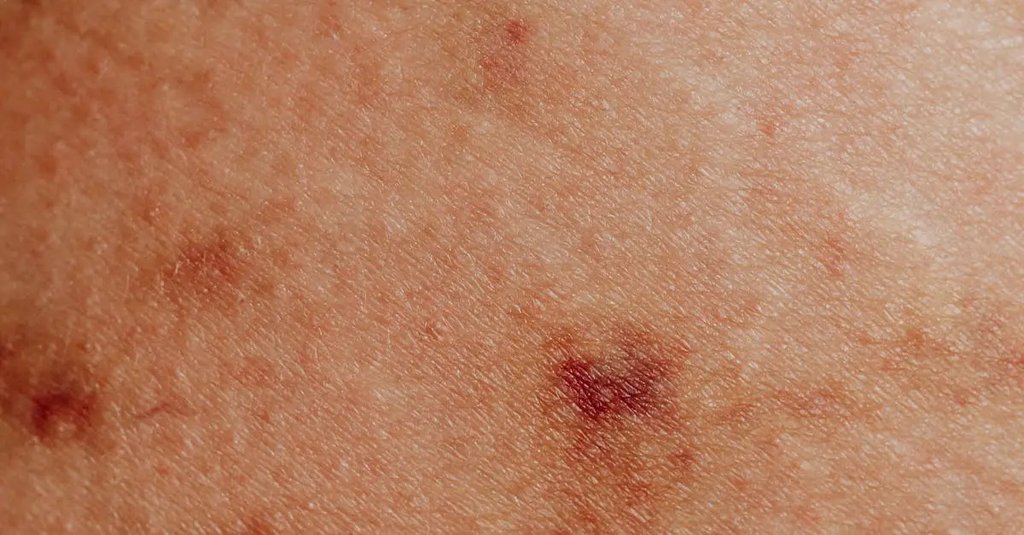
Understanding inflammation (healing) involves recognizing it as the body’s natural response to injury or infection. During this process, immune cells are activated to eliminate harmful agents and begin tissue repair. Common signs include redness, swelling, heat, and pain. While acute inflammation is essential for healing and protecting the body, chronic inflammation can lead to tissue damage and contribute to various diseases if not properly regulated.
Understanding Inflammation
Understanding inflammation (healing) involves recognizing it as the body’s natural response to injury or infection. During this process, immune cells are activated to eliminate harmful agents and begin tissue repair. Common signs include redness, swelling, heat, and pain. While acute inflammation is essential for healing and protecting the body, chronic inflammation can lead to tissue damage and contribute to various diseases if not properly regulated.
💡 Key Takeaways
- Understand what inflammation is and its role in the body's defense system.
- Differentiate between acute inflammation (short-term) and chronic inflammation (long-lasting) and common triggers.
- Identify the classic signs of inflammation: redness, heat, swelling, pain, and sometimes loss of function.
- Explore how lifestyle and diet can influence inflammation levels.
- Know when persistent inflammation may require medical evaluation or treatment.
❓ Frequently Asked Questions
What is inflammation?
The body's protective response to injury or infection, involving immune cells, blood vessels, and chemical signals to contain threats and start healing.
What are the common signs of inflammation?
Redness, heat, swelling, pain, and sometimes loss of function, caused by increased blood flow and fluid leakage at the affected area.
What can trigger inflammation?
Infections, tissue injury, toxins or irritants, and immune reactions. Inflammation is a normal defense, but it can be harmful if prolonged.
How do acute and chronic inflammation differ?
Acute inflammation is short-term and resolves with healing, while chronic inflammation lasts longer and can cause ongoing tissue damage.