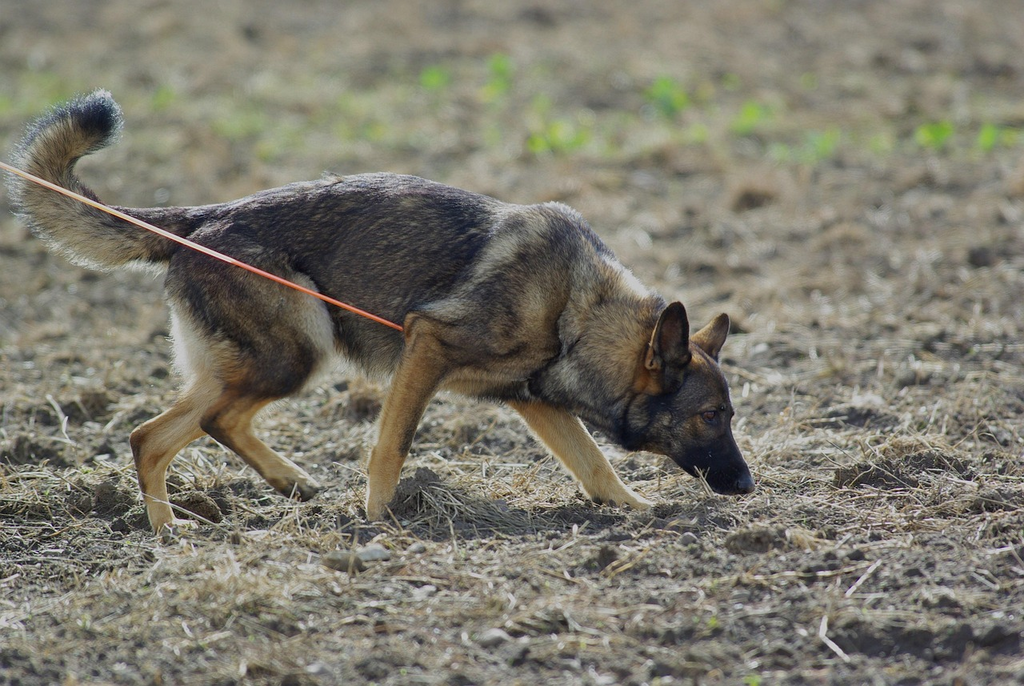
Understanding Local Ecosystems (Survival Stories) refers to learning how living organisms, including humans, interact with their immediate environment to survive and thrive. These stories often highlight the unique adaptations and strategies species develop to cope with challenges such as food scarcity, predators, or climate. By studying local ecosystems, we gain insight into the delicate balance of nature and the importance of preserving biodiversity for future survival.
Understanding Local Ecosystems
Understanding Local Ecosystems (Survival Stories) refers to learning how living organisms, including humans, interact with their immediate environment to survive and thrive. These stories often highlight the unique adaptations and strategies species develop to cope with challenges such as food scarcity, predators, or climate. By studying local ecosystems, we gain insight into the delicate balance of nature and the importance of preserving biodiversity for future survival.
💡 Key Takeaways
- Define a local ecosystem and its key components (plants, animals, microbes, air, water, and soil).
- Explain how energy moves through a local ecosystem via food webs and trophic levels.
- Describe the roles of producers, consumers, and decomposers in ecosystem function.
- Identify factors affecting local ecosystem health (habitat, climate, and human impacts) and ways to protect them.
❓ Frequently Asked Questions
What is a local ecosystem?
A community of living organisms (plants, animals, microorganisms) interacting with each other and their physical environment in a defined area, such as a forest, lake, or meadow.
What are biotic and abiotic factors in an ecosystem?
Biotic factors are living components (plants, animals, microbes). Abiotic factors are nonliving components (soil, water, temperature, light, climate) that influence organisms.
How do energy and nutrients move through a local ecosystem?
Energy from sunlight is captured by producers via photosynthesis, flows to consumers and decomposers, while nutrients cycle through organisms and the environment.
Why is biodiversity important in local ecosystems?
Biodiversity supports resilience, stability, and services like pollination, pest control, water purification, and climate regulation.
What are common ways humans can protect local ecosystems?
Reduce pollution, protect habitats, manage invasive species, and adopt sustainable land and water practices to maintain ecosystem services.