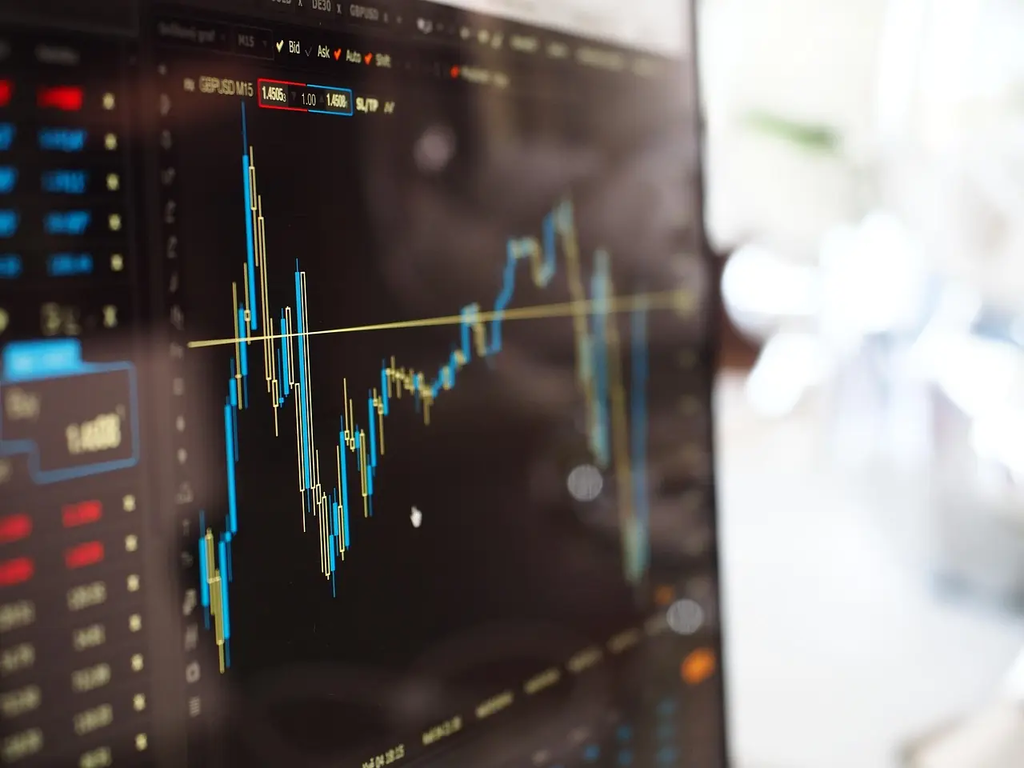
Understanding market sentiment in US stock markets refers to gauging the overall mood or attitude of investors toward market conditions. It involves analyzing whether investors feel optimistic (bullish) or pessimistic (bearish) about future price movements. Market sentiment is influenced by economic data, corporate earnings, news events, and investor psychology. Tools like sentiment indicators, trading volumes, and price trends help assess sentiment, which can drive short-term market fluctuations and impact investment decisions.
Understanding Market Sentiment
Understanding market sentiment in US stock markets refers to gauging the overall mood or attitude of investors toward market conditions. It involves analyzing whether investors feel optimistic (bullish) or pessimistic (bearish) about future price movements. Market sentiment is influenced by economic data, corporate earnings, news events, and investor psychology. Tools like sentiment indicators, trading volumes, and price trends help assess sentiment, which can drive short-term market fluctuations and impact investment decisions.

💡 Key Takeaways
- Define market sentiment and why it matters for asset prices.
- Identify common sentiment indicators (surveys, indices, social media, news sentiment) used by traders.
- Explain how market mood can drive trends and momentum.
- Differentiate between bullish and bearish sentiment and recognize potential contrarian signals.
- Acknowledge the limitations and biases in sentiment data and how to use it with fundamentals and technicals.
❓ Frequently Asked Questions
What is market sentiment?
Market sentiment is the overall mood of investors toward a market or asset, ranging from optimism (bullish) to pessimism (bearish) and often driving price movements beyond fundamentals.
What factors influence market sentiment?
News, earnings, economic data, central bank policy, geopolitical events, liquidity, and psychological biases like fear and greed.
How is market sentiment measured or gauged?
Through indicators such as the VIX (fear index), AAII Investor Sentiment Survey, consumer/maker surveys, put-call ratios, fund flows, and assessments of price trends and social media activity.
How can you use market sentiment in investing or trading?
As a complement to fundamentals and technicals, use sentiment to identify potential overbought/oversold conditions, consider contrarian signals, and apply prudent risk management.