Understanding neural networks for healthcare involves exploring how artificial intelligence systems, inspired by the human brain, process complex medical data. These networks can identify patterns in large datasets, such as medical images or patient records, to assist in diagnosing diseases, predicting outcomes, and personalizing treatments. By learning from vast amounts of healthcare information, neural networks improve clinical decision-making, enhance diagnostic accuracy, and support medical professionals in delivering better patient care.
Understanding Neural Network for Healthcare
Understanding neural networks for healthcare involves exploring how artificial intelligence systems, inspired by the human brain, process complex medical data. These networks can identify patterns in large datasets, such as medical images or patient records, to assist in diagnosing diseases, predicting outcomes, and personalizing treatments. By learning from vast amounts of healthcare information, neural networks improve clinical decision-making, enhance diagnostic accuracy, and support medical professionals in delivering better patient care.
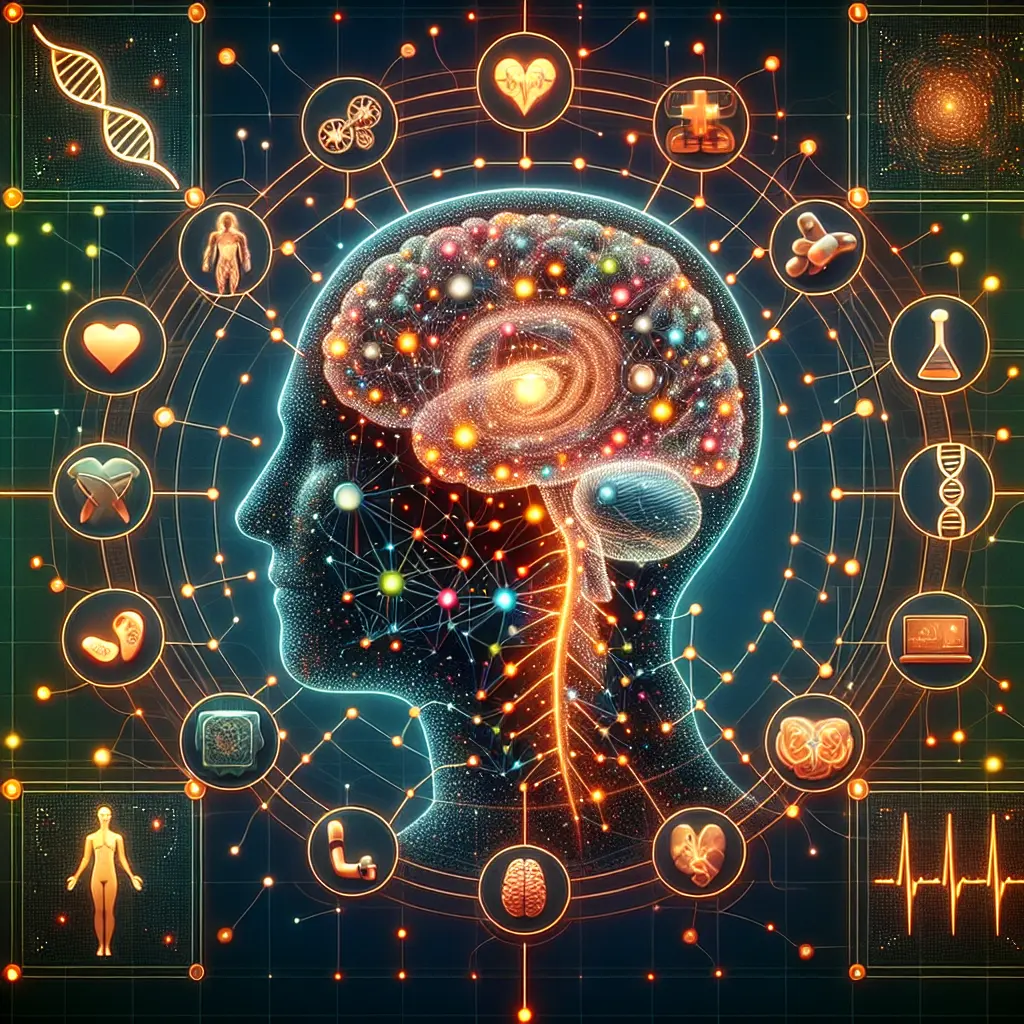
💡 Key Takeaways
- Understand how neural networks analyze medical data to aid diagnosis.
- Learn how CNNs and other architectures are used for medical images and patient records.
- Explore how models are trained and evaluated in healthcare, including metrics like accuracy, sensitivity, and specificity.
- Recognize challenges in clinical AI such as data privacy, bias, and interpretability.
❓ Frequently Asked Questions
What is a neural network in the context of healthcare?
A computer model inspired by the brain that learns patterns from medical data. In healthcare, it can help interpret images, patient records, or signals to support diagnosis, prognosis, or treatment decisions.
What types of data do healthcare neural networks work with?
Medical images (X-ray, CT, MRI), electronic health records, lab results, genomic data, and time-series data like heart rate or ECG.
How are neural networks trained for medical tasks?
They learn from labeled examples by adjusting internal parameters to minimize error on training data, then are tested on separate data to assess generalization. Preprocessing and regularization help improve performance and avoid overfitting.
What are key safety and ethical considerations?
Privacy and consent, potential bias, interpretability, and the need for clinical validation. They should support clinicians, not replace medical judgment, and comply with regulations.
How is the performance of healthcare neural networks evaluated?
Using metrics like accuracy, sensitivity, specificity, and AUC-ROC for classification; calibration and other task-specific measures. Evaluation is done on independent data and ideally through prospective validation.