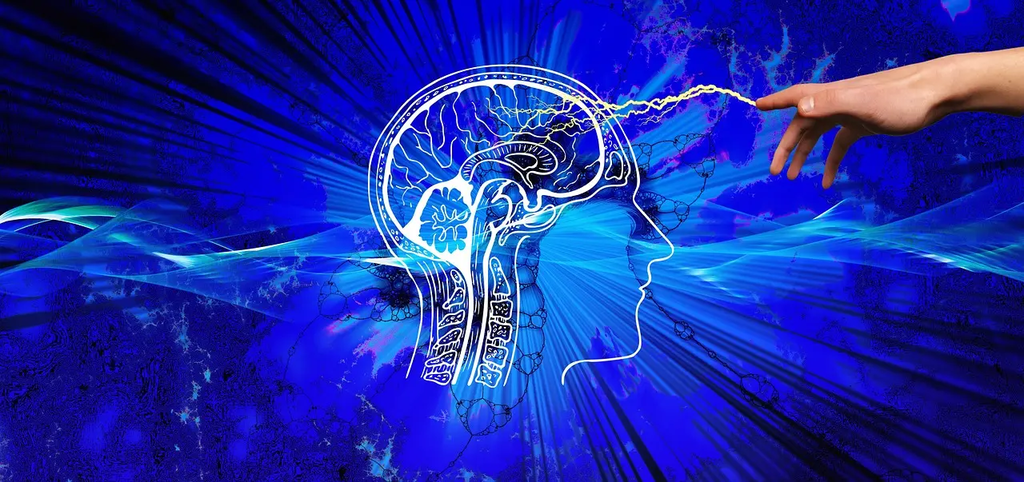
Understanding neuroplasticity (healing) refers to the brain’s remarkable ability to reorganize and adapt by forming new neural connections throughout life. This process enables the brain to recover from injuries, adapt to new experiences, and compensate for lost functions. Through neuroplasticity, individuals can heal from trauma, learn new skills, and improve cognitive functions, highlighting the brain’s dynamic capacity for growth, change, and self-repair.
Understanding Neuroplasticity
Understanding neuroplasticity (healing) refers to the brain’s remarkable ability to reorganize and adapt by forming new neural connections throughout life. This process enables the brain to recover from injuries, adapt to new experiences, and compensate for lost functions. Through neuroplasticity, individuals can heal from trauma, learn new skills, and improve cognitive functions, highlighting the brain’s dynamic capacity for growth, change, and self-repair.
💡 Key Takeaways
- Define neuroplasticity as the brain's ability to change its structure and function with learning and experience.
- Differentiate structural plasticity (new or strengthened neural connections) from functional plasticity (reorganized brain activity).
- Identify factors that boost plasticity, such as deliberate practice, adequate sleep, regular exercise, and exposure to new challenges.
- Recognize practical implications for learning new skills, recovery after injury, and cognitive health across the lifespan.
❓ Frequently Asked Questions
What is neuroplasticity?
Neuroplasticity is the brain's ability to change its structure and function by forming or rearranging neural connections in response to learning, experience, or injury.
What factors influence neuroplastic changes?
Practice and repetition, meaningful environment, adequate sleep, and stress levels can promote or hinder plastic changes.
Can adults experience neuroplasticity?
Yes. The adult brain can rewire and adapt through training, therapy, and experience, though the pace and extent vary.
How is neuroplasticity used in rehabilitation and learning?
Targeted exercises and feedback help rewire brain networks, improving motor skills, cognition, and overall function after injury or in skill acquisition.