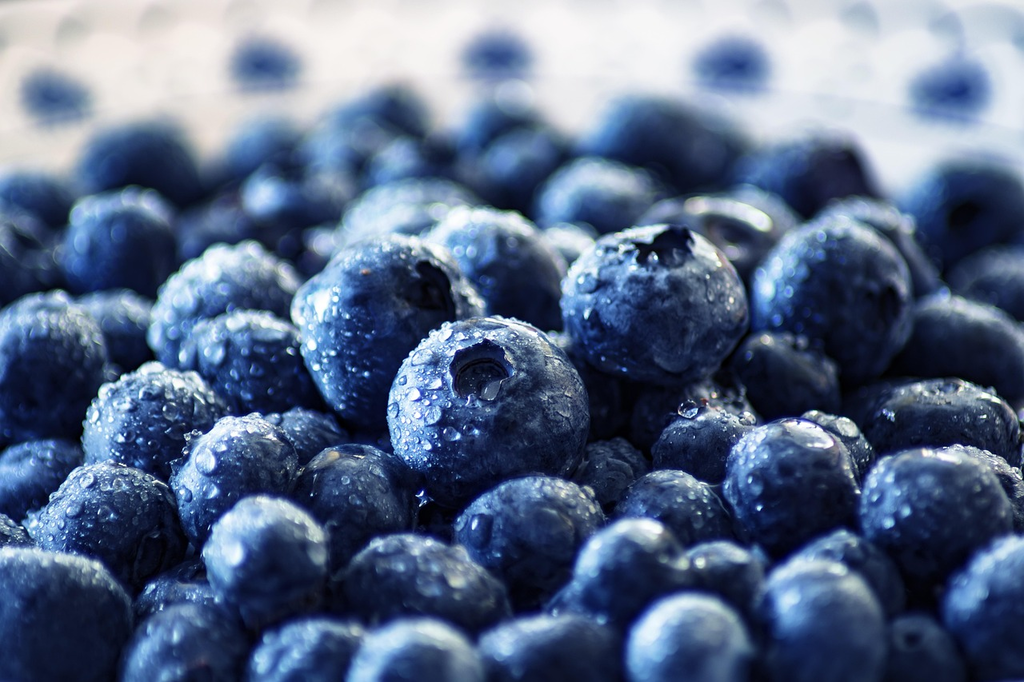
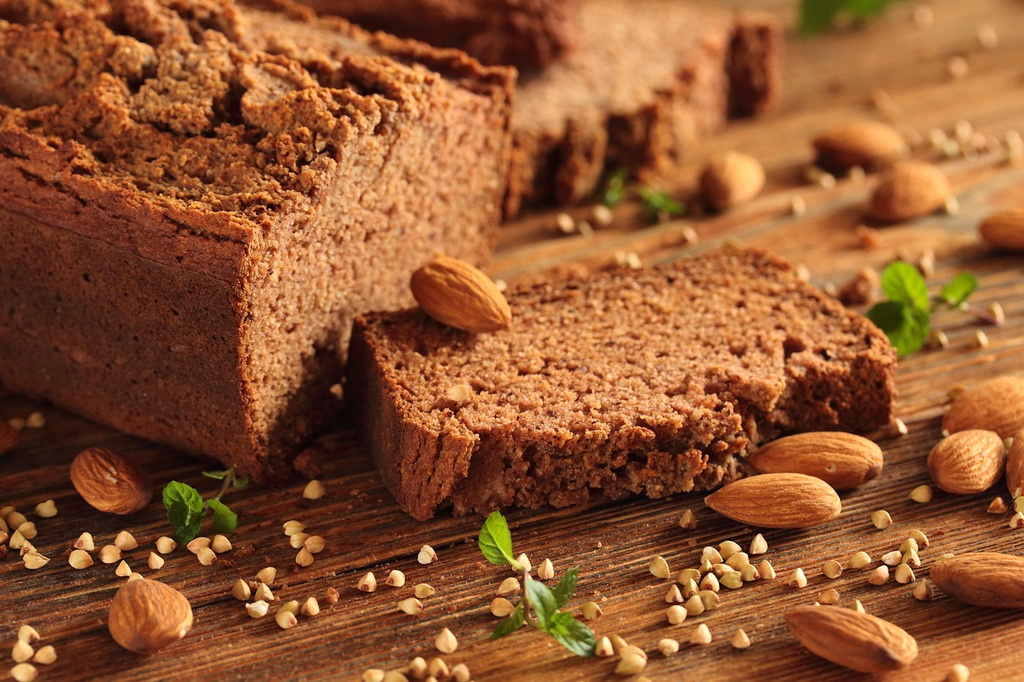
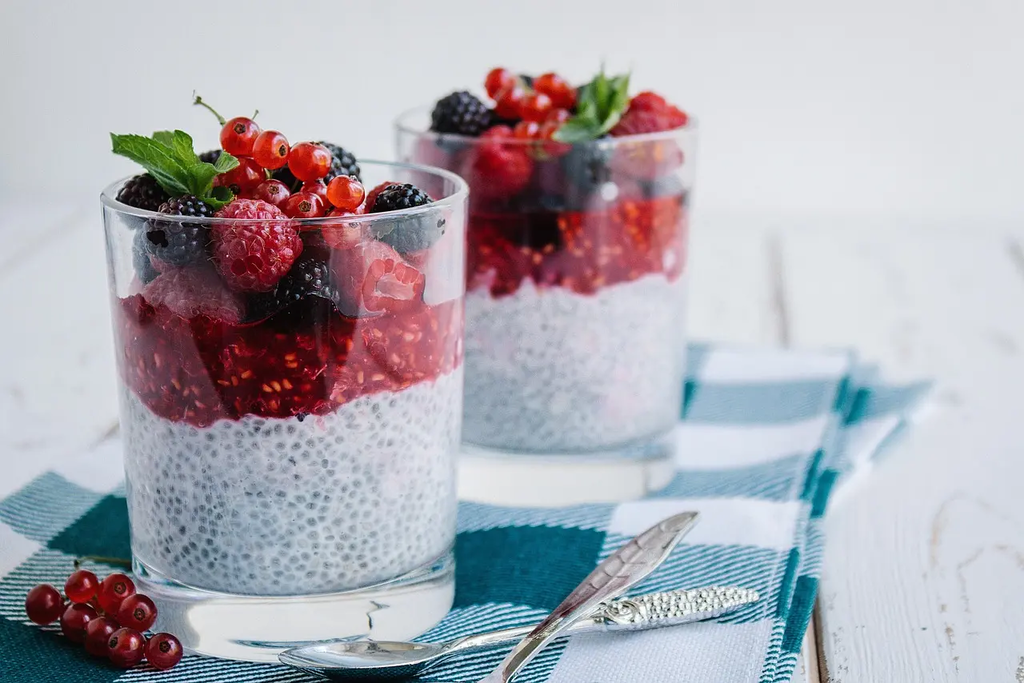
Understanding portion sizes is crucial for maintaining healthy habits and making the most of superfoods. Proper portion control helps prevent overeating, ensures balanced nutrient intake, and supports weight management. By learning to recognize appropriate serving sizes for various foods, especially nutrient-dense superfoods, individuals can optimize their diets for better health, increased energy, and disease prevention. Mindful portioning encourages a sustainable, healthy relationship with food.
Understanding Portion Sizes+50
Understanding portion sizes is crucial for maintaining healthy habits and making the most of superfoods. Proper portion control helps prevent overeating, ensures balanced nutrient intake, and supports weight management. By learning to recognize appropriate serving sizes for various foods, especially nutrient-dense superfoods, individuals can optimize their diets for better health, increased energy, and disease prevention. Mindful portioning encourages a sustainable, healthy relationship with food.
💡 Key Takeaways
- Define portion size and distinguish it from a serving or recommended intake.
- Use simple visual cues and hand measurements to estimate portions at home and on the go.
- Identify common portion sizes for popular foods and understand their impact on calories and nutrients.
- Apply practical strategies to control portions, such as reading labels and choosing sensible servings when dining out.
❓ Frequently Asked Questions
What is a portion size and how does it differ from a serving on nutrition labels?
A portion size is the amount you eat in one sitting. It may be larger or smaller than the standard serving size listed on nutrition labels.
Why are portion sizes important for health?
Portion sizes directly affect calorie intake and nutrient balance; consistently large portions can lead to weight gain, while appropriately sized portions support satiety and energy goals.
How can you estimate portion sizes without a kitchen scale?
Use common visual cues: a protein portion about the size of your palm, a cup of vegetables like a closed fist, and a half-cup of starch like a cupped hand; measuring cups also help for accuracy.
How can you adjust portions to support different goals?
Tailor portions to your daily calorie target, start with recommended plate balance (half veggies, a quarter protein, a quarter starch), eat slowly, and adjust based on hunger and progress.