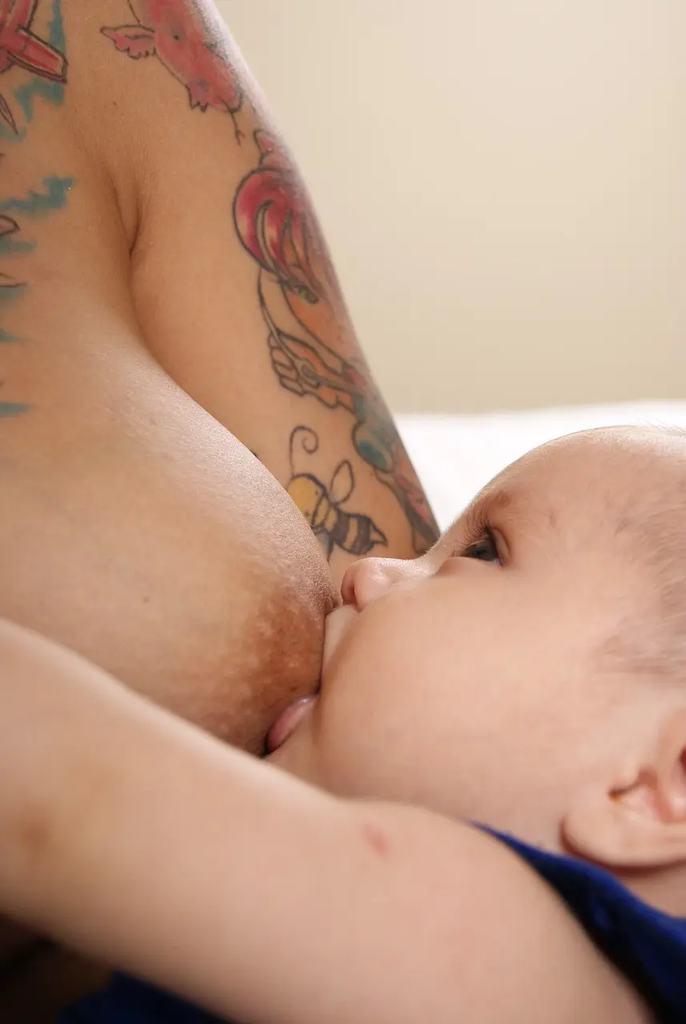
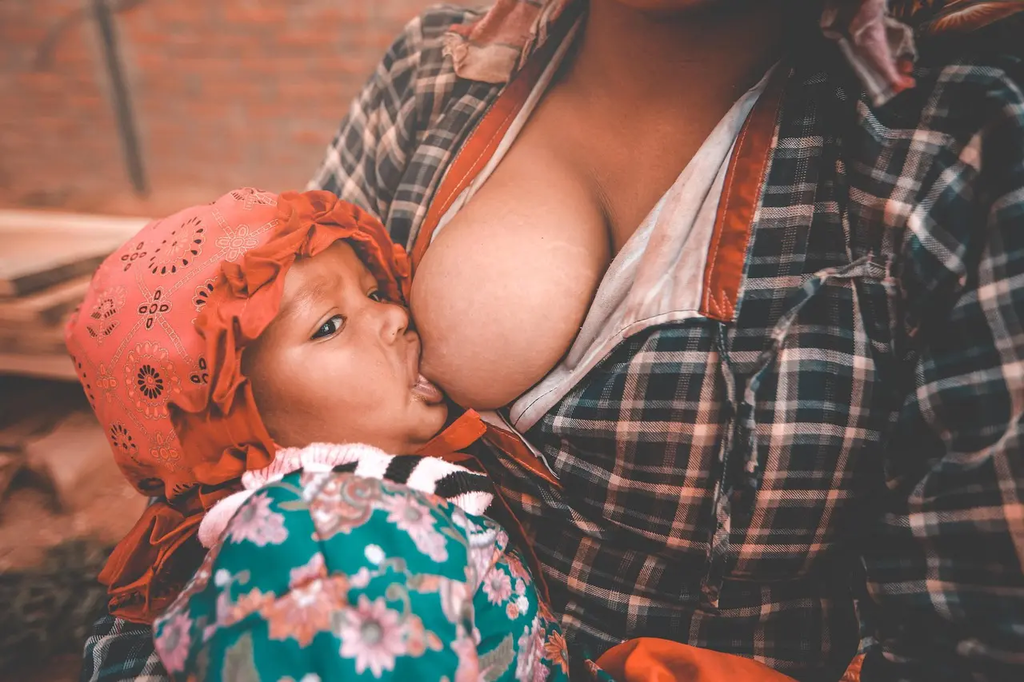
Understanding postpartum recovery and physical changes involves recognizing the body’s natural healing process after childbirth. This period includes physical adjustments such as uterine contraction, vaginal discharge, hormonal shifts, and breast changes. Women may experience fatigue, soreness, and emotional fluctuations. Proper post pregnancy care supports healing, manages discomfort, and addresses nutrition, hygiene, and rest needs. Awareness and support during this time are essential for a healthy transition to motherhood.
Understanding postpartum recovery and physical changes+45
Understanding postpartum recovery and physical changes involves recognizing the body’s natural healing process after childbirth. This period includes physical adjustments such as uterine contraction, vaginal discharge, hormonal shifts, and breast changes. Women may experience fatigue, soreness, and emotional fluctuations. Proper post pregnancy care supports healing, manages discomfort, and addresses nutrition, hygiene, and rest needs. Awareness and support during this time are essential for a healthy transition to motherhood.
💡 Key Takeaways
- Understand common postpartum physical changes (uterus involution, lochia, breast changes) and their typical timelines.
- Recognize realistic recovery milestones and when to seek medical advice.
- Learn practical strategies to support recovery, including pelvic floor exercises, gentle activity, rest, and nutrition.
- Identify factors that affect recovery (birth method, breastfeeding, sleep, stress) and how to adapt routines.
- Know red flags and warning signs that require medical attention postpartum.
❓ Frequently Asked Questions
What happens to the uterus after birth and how long does recovery take?
The uterus contracts to stop bleeding and gradually shrinks back to its pre-pregnancy size over about 4–6 weeks; you may feel cramping as it heals.
What is lochia and what should I expect in postpartum vaginal bleeding?
Lochia is vaginal bleeding after birth. It’s bright red in the first week, then pink or brown as weeks pass, usually fading over 2–6 weeks. Seek care if bleeding is very heavy (soaking a pad in an hour) or if you have fever or foul odor.
When can most people start exercising again after childbirth?
Light movement and pelvic floor exercises can start soon after birth. Most people are cleared for moderate exercise around 4–6 weeks after vaginal birth, or 6–8 weeks after a cesarean, but follow your healthcare provider’s guidance.
What common physical changes and signs occur during postpartum recovery?
Breasts may be full or tender with milk supply; fatigue is common; pelvic floor muscles can feel weak and may cause small leaks; abdominal muscles may separate (diastasis recti) but typically improve with time and gentle exercise.