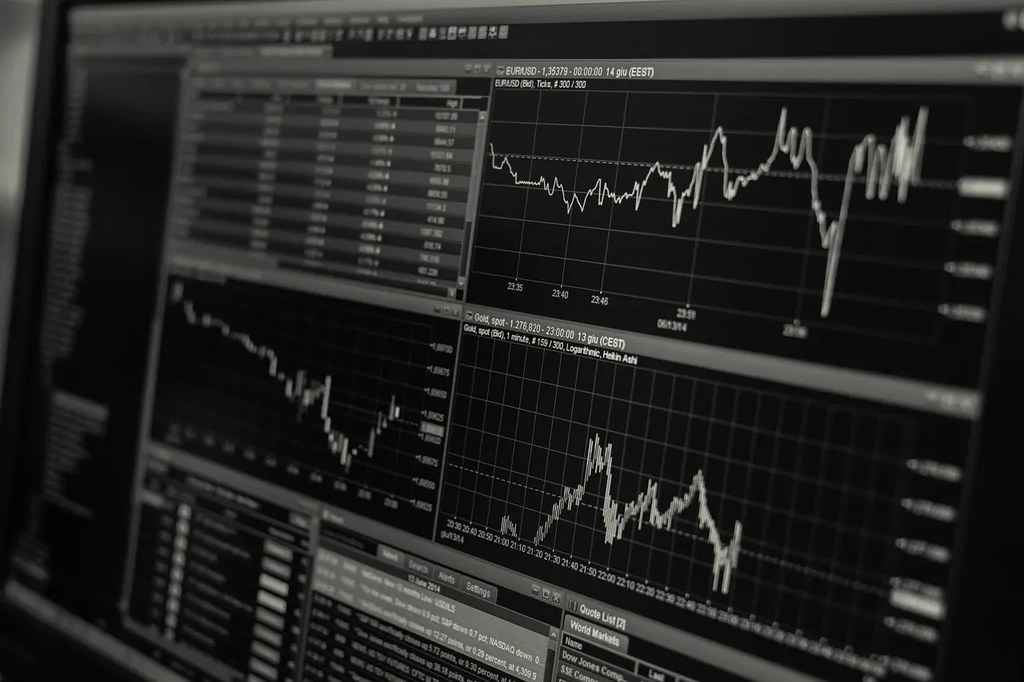
Quantitative easing (QE) is a monetary policy where the Federal Reserve buys government securities to inject liquidity into the economy. This increases money supply, lowers interest rates, and encourages borrowing and investment. In US stock markets, QE often boosts investor confidence, leading to higher stock prices. By making bonds less attractive due to lower yields, QE can drive investors toward equities, supporting stock market growth and sometimes inflating asset valuations.
Understanding Quantitative Easing and Stocks
Quantitative easing (QE) is a monetary policy where the Federal Reserve buys government securities to inject liquidity into the economy. This increases money supply, lowers interest rates, and encourages borrowing and investment. In US stock markets, QE often boosts investor confidence, leading to higher stock prices. By making bonds less attractive due to lower yields, QE can drive investors toward equities, supporting stock market growth and sometimes inflating asset valuations.
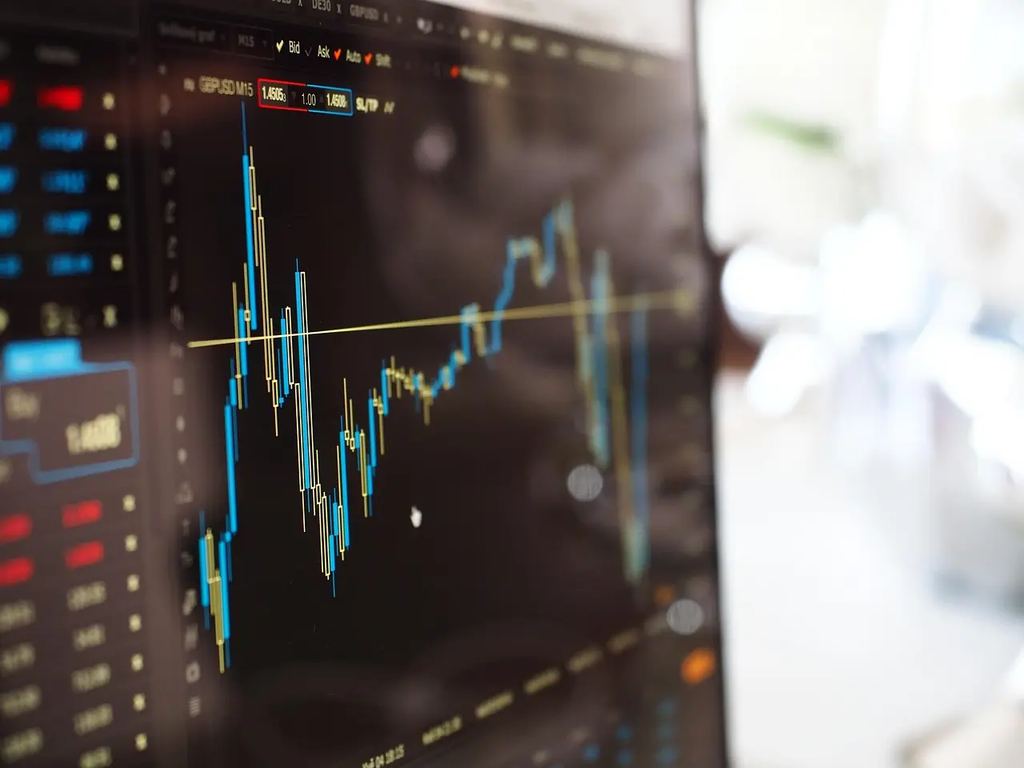
💡 Key Takeaways
- Understand what quantitative easing (QE) is and why central banks use it (asset purchases and signaling).
- Learn how QE can support stock markets by lowering borrowing costs and increasing liquidity.
- Identify the main transmission channels from QE to stocks: liquidity, lower interest rates, and improved risk appetite.
- Recognize the potential risks of QE for stocks, including inflation pressures, asset bubbles, and the challenge of policy normalization.
❓ Frequently Asked Questions
What is quantitative easing (QE)?
QE is a central bank program that buys long-term securities to inject liquidity into the financial system, lower borrowing costs, and support the economy when usual policy tools are limited.
How does QE affect stock prices?
QE can raise stock prices by increasing liquidity and lowering interest rates, which makes equities more attractive relative to bonds. The effect depends on broader economic conditions.
How is QE different from regular monetary policy?
Regular policy typically adjusts short-term interest rates. QE buys long-term assets to expand the central bank's balance sheet when conventional rate cuts are less effective.
What are potential risks or downsides of QE for the economy and stocks?
Risks include asset price inflation, misallocation of resources, potential higher inflation later, debt growth, and the challenge of exiting QE without market volatility.