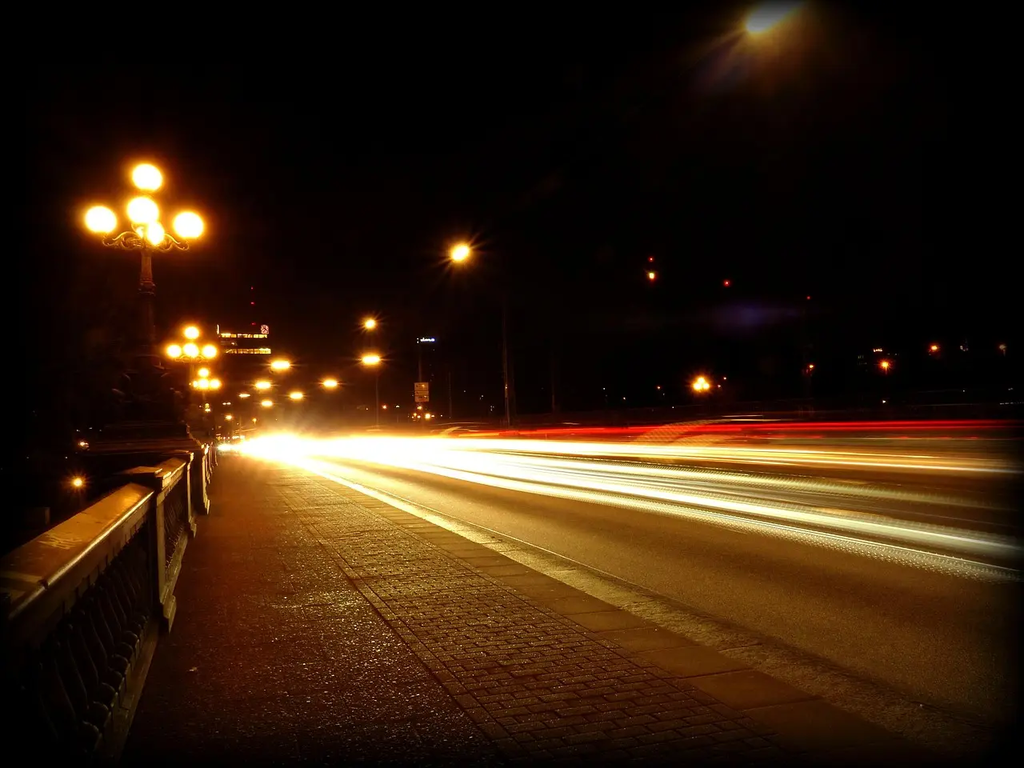
Understanding speed limits involves recognizing the maximum legal speed at which vehicles can travel on specific roads, as set by authorities to ensure safety. These limits vary based on road type, location, and surrounding conditions, aiming to reduce accidents and manage traffic flow. Drivers must observe posted signs and adjust their speed accordingly, considering factors like weather, visibility, and traffic, to comply with the law and protect all road users.
Understanding Speed Limits+50
Understanding speed limits involves recognizing the maximum legal speed at which vehicles can travel on specific roads, as set by authorities to ensure safety. These limits vary based on road type, location, and surrounding conditions, aiming to reduce accidents and manage traffic flow. Drivers must observe posted signs and adjust their speed accordingly, considering factors like weather, visibility, and traffic, to comply with the law and protect all road users.
💡 Key Takeaways
- Identify what speed limits are and where to find them on different roads
- Explain how speed limits vary by road type, location, and conditions
- Understand why speed limits exist for safety and traffic flow
- Learn how to adjust speed for weather, visibility, and road conditions
- Recognize consequences of speeding and the importance of compliance
❓ Frequently Asked Questions
What is a speed limit?
The maximum legal speed allowed on a road, set by authorities; drivers should travel at or below this speed under normal conditions.
How are speed limits determined?
They depend on road type (urban vs rural), traffic, sight distance, curves/grades, and nearby zones (schools, work zones); posted in mph or km/h.
Do speed limits change with conditions?
Yes. They are maximums, but safe speeds may be lower in rain, snow, fog, ice, darkness, or construction; temporary limits may also apply.
Are there different limits for trucks or heavy vehicles?
In some areas, heavy vehicles have lower limits or separate signs; always follow posted signs and any vehicle-specific rules.
What happens if you exceed the speed limit?
Penalties vary by location but commonly include fines, points on your license, higher insurance costs, and possible license suspension.