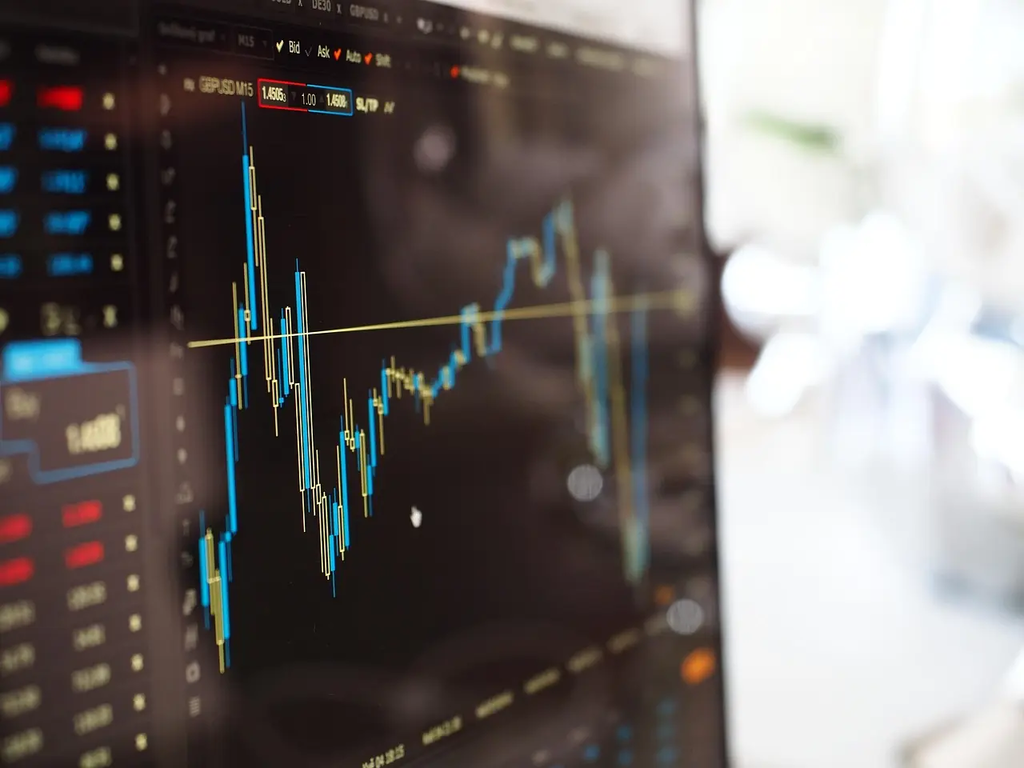
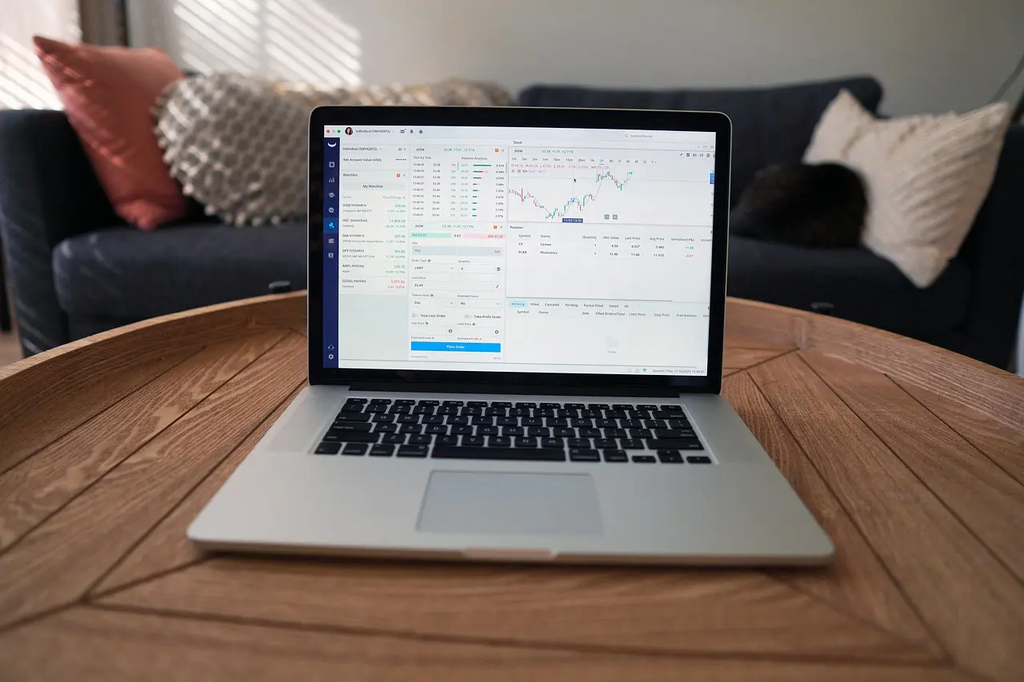
Understanding stock quotes in US stock markets involves interpreting the information provided about a stock’s current trading price, daily high and low, opening and closing prices, bid and ask prices, volume traded, and percentage change. These elements help investors assess a stock’s performance and market activity. Stock quotes are typically displayed on financial news sites and trading platforms, offering real-time or delayed data essential for making informed investment decisions.
Understanding Stock Quotes+50
Understanding stock quotes in US stock markets involves interpreting the information provided about a stock’s current trading price, daily high and low, opening and closing prices, bid and ask prices, volume traded, and percentage change. These elements help investors assess a stock’s performance and market activity. Stock quotes are typically displayed on financial news sites and trading platforms, offering real-time or delayed data essential for making informed investment decisions.
💡 Key Takeaways
- Understand what a stock quote represents and its key elements (last price, bid, ask, change, and volume).
- Learn the difference between bid, ask, and last price and what each tells you about supply, demand, and potential trade price.
- Know how to read real-time or delayed quotes, including time stamps and trading volume, to gauge activity.
- Recognize the difference between regular-hours quotes and after-hours quotes and how they can differ.
❓ Frequently Asked Questions
What is a stock quote?
A stock quote is the latest price a stock traded at, along with related data such as the daily change, percent change, volume, and sometimes the bid/ask. The last trade price is the most recent price at which a share changed hands.
What do last price, bid, ask, and volume mean?
Last price is the most recent trade price. The bid is the highest price buyers are willing to pay, the ask is the lowest price sellers will accept, and volume is the number of shares traded in a period, indicating liquidity.
What is the bid-ask spread and why does it matter?
The spread is the difference between the best bid and best ask. A smaller spread usually means higher liquidity and cheaper execution; a larger spread can cost more to enter or exit a position.
What is the difference between real-time quotes and delayed quotes?
Real-time quotes update instantly during market hours. Delayed quotes show prices with a time lag (often several minutes) and are common from free data sources.