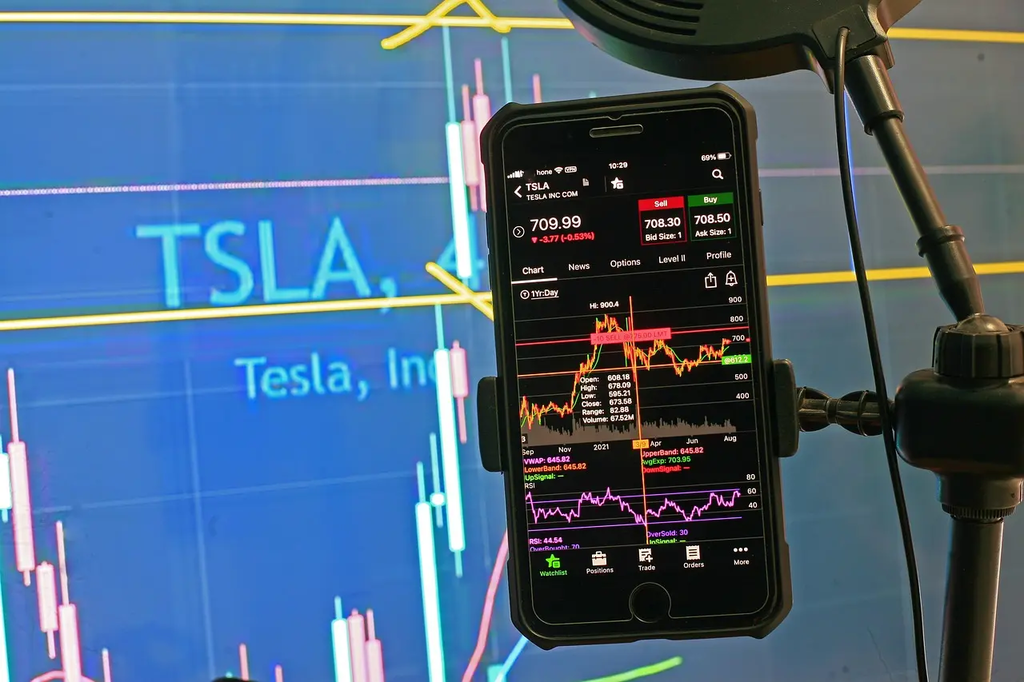
Understanding stock volatility in US stock markets involves analyzing the degree of price fluctuations in individual stocks or market indices over a specific period. High volatility indicates larger price swings and greater uncertainty, often driven by economic data, corporate earnings, or global events. Investors monitor volatility to assess risk, make informed trading decisions, and manage their portfolios effectively. Tools like the VIX index help gauge market sentiment and potential future movements.
Understanding Stock Volatility
Understanding stock volatility in US stock markets involves analyzing the degree of price fluctuations in individual stocks or market indices over a specific period. High volatility indicates larger price swings and greater uncertainty, often driven by economic data, corporate earnings, or global events. Investors monitor volatility to assess risk, make informed trading decisions, and manage their portfolios effectively. Tools like the VIX index help gauge market sentiment and potential future movements.
💡 Key Takeaways
- Understand what stock volatility is and why prices swing over time.
- Learn the difference between historical volatility and implied volatility.
- Identify key drivers of volatility, such as earnings, economic news, and market sentiment.
- Explore how volatility affects risk and potential returns, and basic strategies to manage it (diversification, position sizing, hedging).
❓ Frequently Asked Questions
What is stock volatility?
Stock volatility describes how much a stock's price tends to move over a period. Higher volatility means larger, more unpredictable price swings.
What causes stock volatility?
Volatility is driven by news, earnings results, economic data, market sentiment, liquidity, and events affecting supply and demand for the stock.
How is volatility measured?
Common measures include historical volatility (standard deviation of past returns) and implied volatility (derived from option prices). Beta and the VIX also describe how volatile a stock or market is.
How can investors manage volatility?
Diversify portfolios, adjust time horizons, use risk controls, and consider hedging with options or suitable assets to reduce exposure during turbulence.