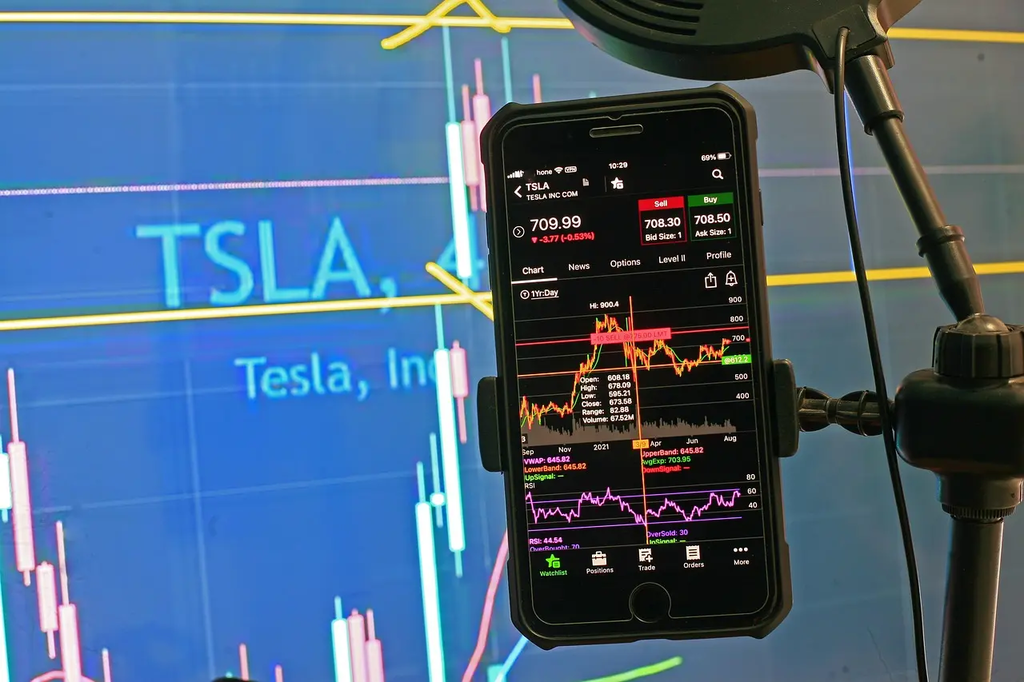
Understanding the future of stock market regulations in US stock markets involves examining how evolving technologies, market dynamics, and global events shape regulatory frameworks. Anticipated changes may address issues like algorithmic trading, cybersecurity, transparency, and investor protection. Regulators aim to balance innovation with risk management, ensuring fair and efficient markets. Ongoing adaptation is crucial as new financial products and trading platforms emerge, influencing how regulations evolve to maintain market integrity and stability.
Understanding the Future of Stock Market Regulations
Understanding the future of stock market regulations in US stock markets involves examining how evolving technologies, market dynamics, and global events shape regulatory frameworks. Anticipated changes may address issues like algorithmic trading, cybersecurity, transparency, and investor protection. Regulators aim to balance innovation with risk management, ensuring fair and efficient markets. Ongoing adaptation is crucial as new financial products and trading platforms emerge, influencing how regulations evolve to maintain market integrity and stability.

💡 Key Takeaways
- Understand the main goals of future stock market regulations (transparency, investor protection, integrity, and stability).
- Identify the regulatory areas most likely to change (disclosures, governance, market structure, and listing rules).
- Explain how technology (algorithmic trading, AI, data privacy, cybersecurity) may shape new regulatory approaches.
- Describe how international coordination and cross-border oversight could affect national regulations and enforcement.
❓ Frequently Asked Questions
What is the role of stock market regulation?
Stock market regulation sets rules to ensure fair trading, truthful disclosure, and protection against fraud, helping maintain market integrity and investor trust.
Which organizations oversee stock markets and enforce rules?
In the US, the SEC enforces securities laws and oversees exchanges; FINRA helps regulate brokers. Globally, regulators vary by country but share a mandate to supervise markets and enforce rules.
What trends are shaping the future of stock market regulation?
Expect more transparency for venues and data, tighter rules on manipulation and risk, stronger protections for retail investors, closer oversight of algorithmic/high-frequency trading, and expanded climate/disclosure requirements.
How could future regulations affect investors and trading?
Stricter rules can raise compliance costs and affect trading mechanics, but aim to improve fairness, reduce systemic risk, and increase investor confidence.