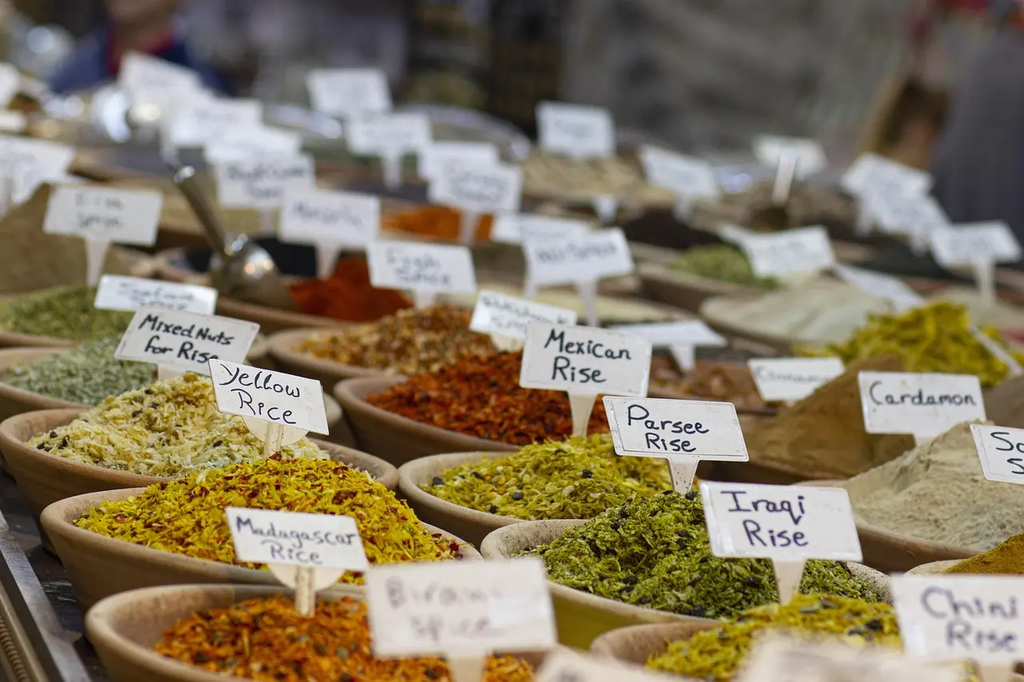
Understanding umami involves recognizing it as the fifth basic taste, alongside sweet, sour, salty, and bitter. Discovered in Japanese cuisine, umami is often described as savory or meaty and is found in foods like soy sauce, mushrooms, aged cheeses, and tomatoes. This taste enhances depth and complexity in dishes and is celebrated globally, influencing culinary traditions and flavor profiles in diverse cultures around the world.
Understanding Umami
Understanding umami involves recognizing it as the fifth basic taste, alongside sweet, sour, salty, and bitter. Discovered in Japanese cuisine, umami is often described as savory or meaty and is found in foods like soy sauce, mushrooms, aged cheeses, and tomatoes. This taste enhances depth and complexity in dishes and is celebrated globally, influencing culinary traditions and flavor profiles in diverse cultures around the world.

💡 Key Takeaways
- Define umami and explain how it differs from the other basic tastes (sweet, sour, salty, bitter).
- Identify the key umami compounds (glutamates, inosinate, guanylate) and common foods that contain them.
- Explain how umami enhances flavor, depth, and perceived fullness in dishes.
- Provide practical tips to build umami in cooking (e.g., using aged cheeses, mushrooms, tomatoes, seaweed, fermentation, and mindful seasoning).
❓ Frequently Asked Questions
What is umami?
Umami is one of the five basic tastes—savory or meaty. It arises from glutamate and certain nucleotides (inosinate and guanylate) detected by our taste receptors.
Which foods are high in umami?
Aged cheeses (like Parmesan), mushrooms, ripe tomatoes, soy sauce, miso, seaweed, meats, fish, and broths are rich in natural umami.
How does umami affect cooking and flavor?
Umami adds depth and savoriness, enhances perceived richness, can reduce the need for extra salt, and often lingers after tasting.
Is MSG safe to use?
MSG is generally recognized as safe for most people. Some individuals may have mild sensitivities, but extensive research shows no consistent adverse effects at typical consumption levels.