Underwater adventures refer to thrilling explorations and activities that take place beneath the surface of water bodies such as oceans, seas, lakes, or rivers. These adventures often involve scuba diving, snorkeling, or submarine rides, allowing participants to witness vibrant marine life, colorful coral reefs, and mysterious underwater landscapes. Underwater adventures provide a unique perspective of aquatic ecosystems, fostering appreciation for marine biodiversity and offering unforgettable experiences filled with discovery and excitement.
Underwater Adventures+45
Underwater adventures refer to thrilling explorations and activities that take place beneath the surface of water bodies such as oceans, seas, lakes, or rivers. These adventures often involve scuba diving, snorkeling, or submarine rides, allowing participants to witness vibrant marine life, colorful coral reefs, and mysterious underwater landscapes. Underwater adventures provide a unique perspective of aquatic ecosystems, fostering appreciation for marine biodiversity and offering unforgettable experiences filled with discovery and excitement.
💡 Key Takeaways
- Identify common underwater adventures (scuba diving, snorkeling, and submarine rides) and what each involves.
- Learn essential safety practices and equipment used in underwater activities.
- Observe marine life and underwater habitats respectfully without disturbing ecosystems.
- Understand planning considerations such as currents, depth limits, and environmental impact for safe underwater experiences.
❓ Frequently Asked Questions
What are underwater adventures?
Underwater adventures are explorations beneath the surface of water bodies like oceans, seas, lakes, or rivers. Common activities include scuba diving, snorkeling, and submarine rides to observe marine life and underwater environments.
What is the difference between scuba diving and snorkeling?
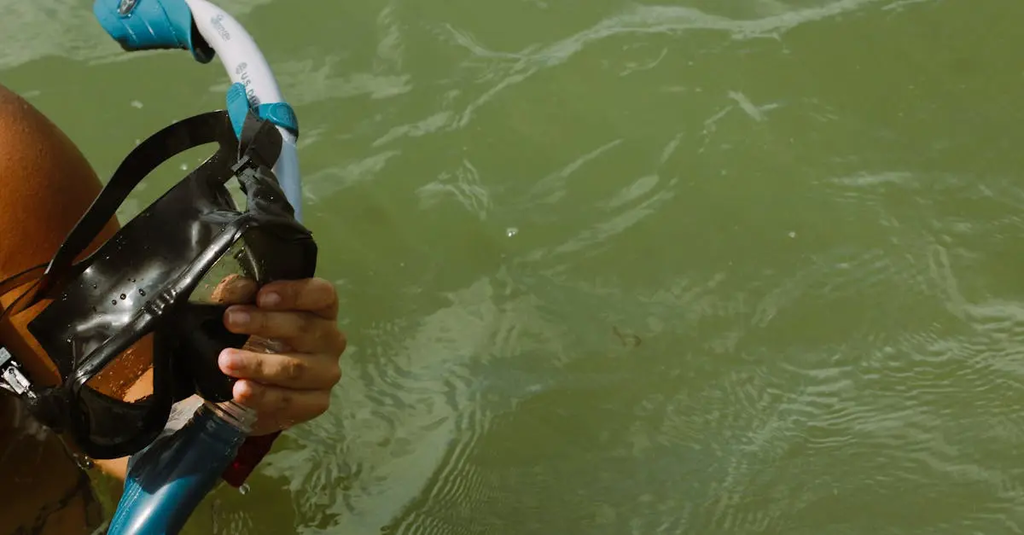
Snorkeling uses a mask and snorkel at the surface with no air supply, while scuba diving uses a self-contained air source to breathe underwater, allowing deeper and longer dives.
What safety steps should you take before an underwater adventure?
Get proper training or certification, use the buddy system, check and maintain gear, plan for currents and weather, and follow a pre-dive safety checklist.
How should you interact with marine life and habitats during an adventure?
Respect wildlife and habitats: keep a safe distance, don’t touch or feed animals, avoid touching corals, and minimize your impact by following local guidelines.