UNESCO World Heritage Sites in capitals refer to landmarks, monuments, or areas located within capital cities that have been recognized by UNESCO for their cultural, historical, or natural significance. These sites often showcase the unique heritage, architecture, and traditions of the nation’s capital, attracting global attention and tourism. Their designation aims to preserve and protect these important places for future generations while highlighting their value to humanity’s shared history.
UNESCO World Heritage Sites in Capitals
UNESCO World Heritage Sites in capitals refer to landmarks, monuments, or areas located within capital cities that have been recognized by UNESCO for their cultural, historical, or natural significance. These sites often showcase the unique heritage, architecture, and traditions of the nation’s capital, attracting global attention and tourism. Their designation aims to preserve and protect these important places for future generations while highlighting their value to humanity’s shared history.
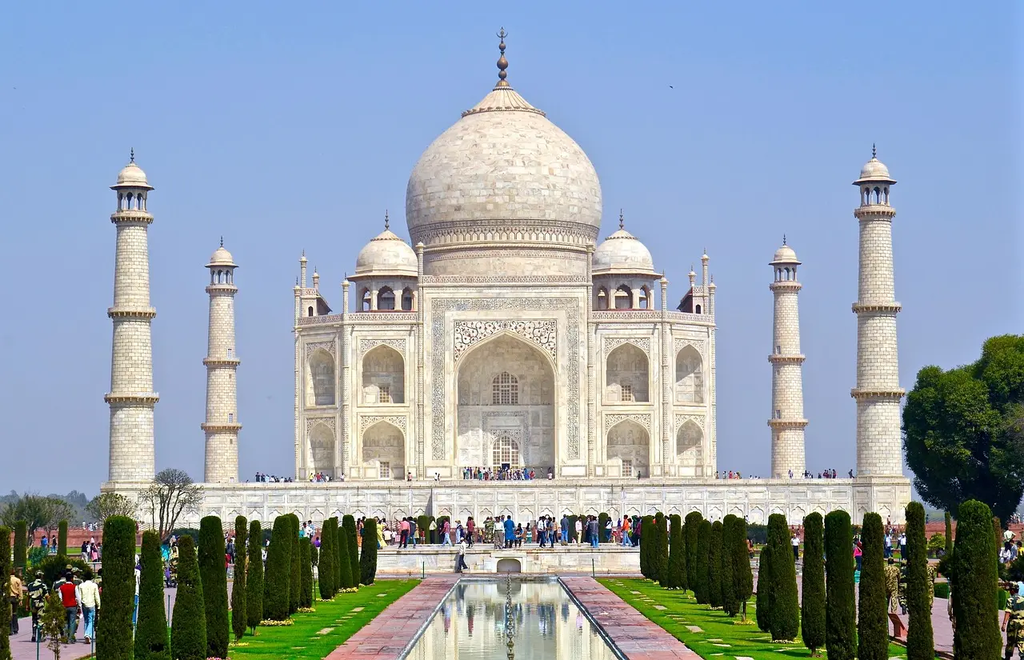
💡 Key Takeaways
- Understand what UNESCO World Heritage designation means for sites located in capital cities.
- Learn the UNESCO categories (Cultural, Natural, Mixed) and the criteria used to evaluate a site.
- See how capital cities showcase heritage through landmarks, architecture, and urban planning.
- Develop quiz-ready skills to identify and recall UNESCO World Heritage Sites in capitals.
❓ Frequently Asked Questions
What qualifies a site to be a UNESCO World Heritage Site in a capital city?
It must be located within the capital and be recognized by UNESCO for outstanding cultural, historical, or natural value, meeting at least one World Heritage criterion and receiving official inscription.
How does a UNESCO World Heritage designation get awarded to a site in a capital?
A country submits a nomination to UNESCO; the nomination is evaluated against the criteria, and the World Heritage Committee approves the inscription on the World Heritage List.
What types of sites are commonly found as UNESCO World Heritage Sites in capitals?
Iconic monuments, historic districts, palaces, religious buildings, or culturally significant landscapes that reflect a nation's heritage within the capital.
How can I verify whether a site in a capital is UNESCO-listed?
Check the UNESCO World Heritage List online or your country's heritage authority for official inscription details, criteria, and year of inscription.