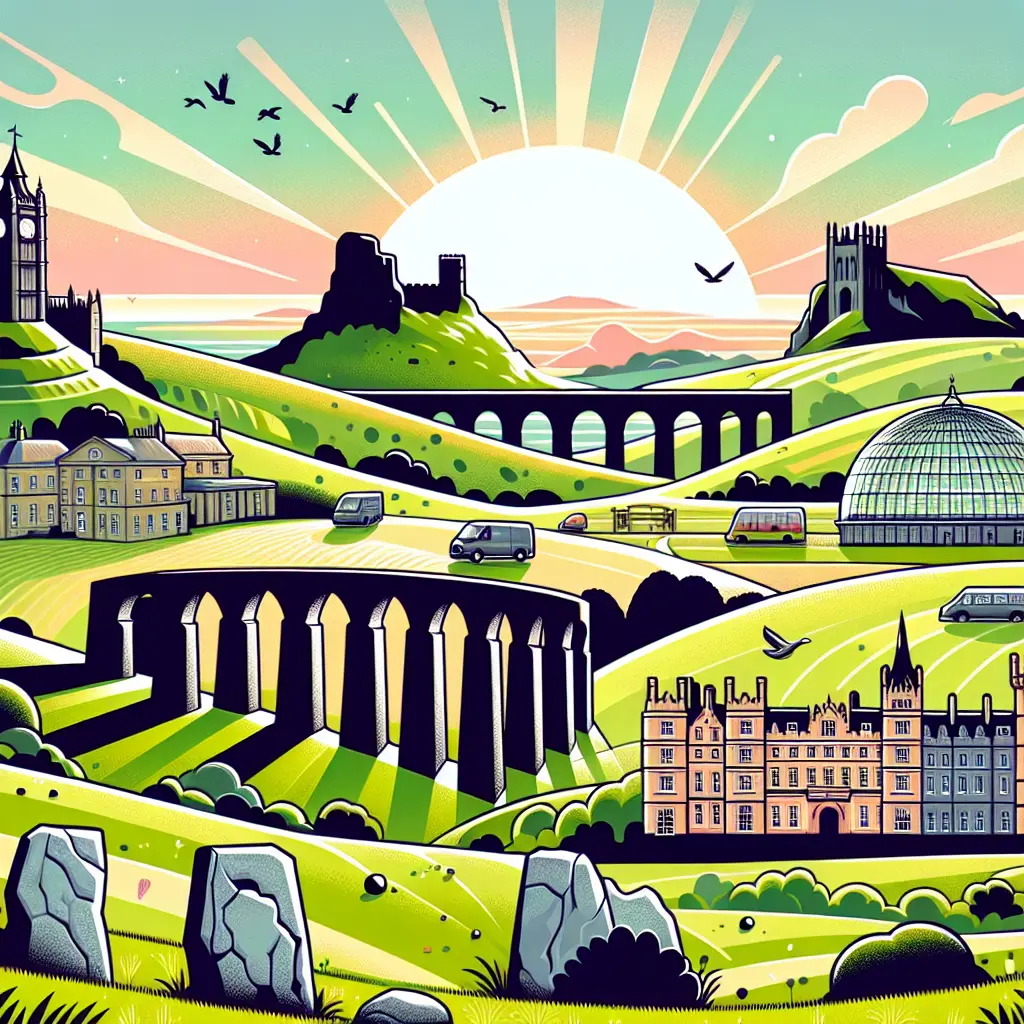
UNESCO World Heritage Sites in the UK are landmarks recognized for their outstanding cultural or natural significance. These sites include historic cities like Bath and Edinburgh, prehistoric monuments such as Stonehenge and Avebury, and natural wonders like the Giant’s Causeway. They reflect the UK’s rich history, architectural achievements, and unique landscapes, attracting global visitors and ensuring preservation for future generations as part of the world’s shared heritage.
UNESCO World Heritage Sites in the UK
UNESCO World Heritage Sites in the UK are landmarks recognized for their outstanding cultural or natural significance. These sites include historic cities like Bath and Edinburgh, prehistoric monuments such as Stonehenge and Avebury, and natural wonders like the Giant’s Causeway. They reflect the UK’s rich history, architectural achievements, and unique landscapes, attracting global visitors and ensuring preservation for future generations as part of the world’s shared heritage.
💡 Key Takeaways
- Identify major UNESCO World Heritage Sites located in the UK and why they are significant.
- Explain the UNESCO designation criteria and how UK sites meet them.
- Describe how UNESCO status influences conservation, tourism, and local communities in the UK.
- Recognize different types of UK WHS (cultural and natural) and what they reveal about the country’s heritage.
❓ Frequently Asked Questions
What is a UNESCO World Heritage Site?
A place of outstanding universal value recognized by UNESCO for its cultural, natural, or mixed significance. These sites are protected and conserved for future generations.
Which UK nations have UNESCO World Heritage Sites, and can you name some notable examples?
Sites are found across England, Scotland, Wales, and Northern Ireland. Notable UK WHS include Stonehenge (England), City of Bath (England), Old and New Towns of Edinburgh (Scotland), Heart of Neolithic Orkney (Scotland), St Kilda (Scotland), Giant’s Causeway and Causeway Coast (Northern Ireland), Pontcysyllte Aqueduct and Canal (Wales), Kew Gardens (England), and Ironbridge Gorge (England).
How does a site become UNESCO World Heritage?
A formal nomination is prepared by the country and assessed by UNESCO’s advisory bodies, demonstrating a site’s cultural or natural significance and its outstanding universal value before the World Heritage Committee makes a decision.
Do UNESCO listings change how sites are protected in the UK?
UNESCO listing raises awareness and can boost conservation and responsible tourism, but protection mainly comes from UK and local laws. UNESCO status complements national safeguards.